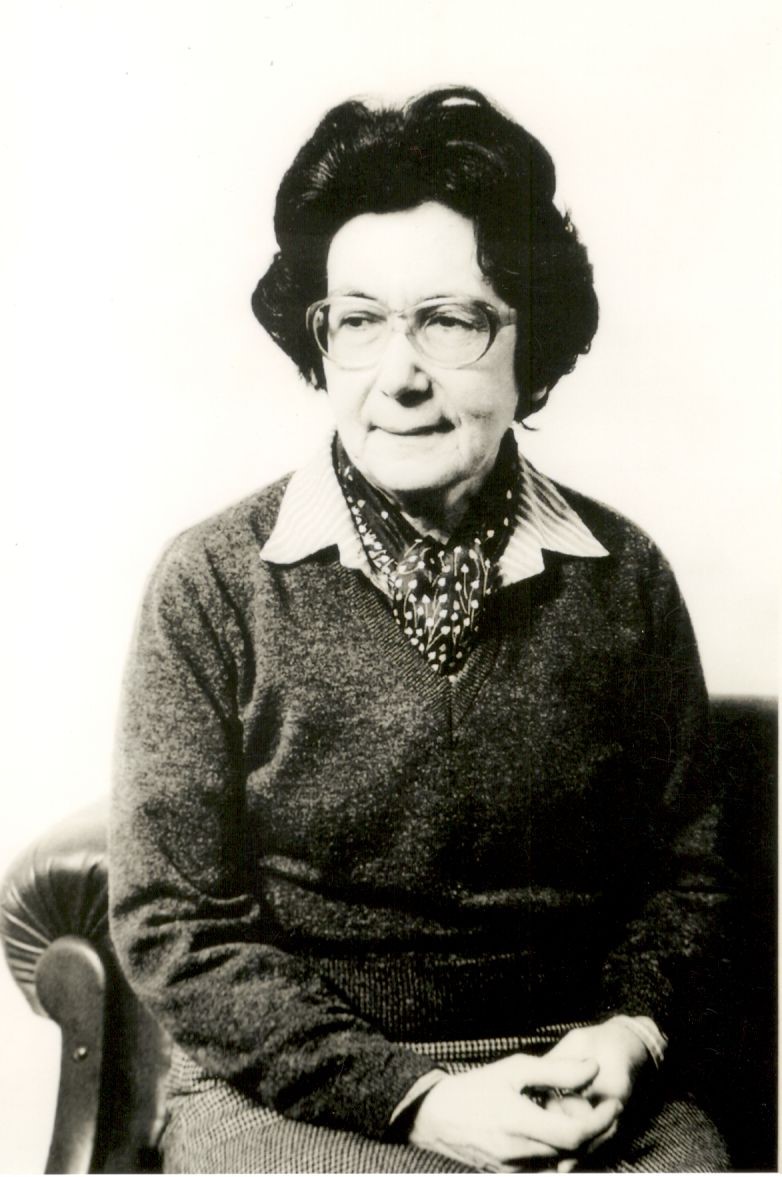
Balkan Legends of Epigraphy: Fanula Papazoglu
Let's take a moment to discuss one of the most renowned classical scholars and epigraphists from the Balkans: Fanula Papazoglu (1917-2001) 
 .
.
Born in 1917 in Bitola (modern North Macedonia), Fanula studied classical philology, history, and archaeology at the University of Belgrade . During WWII occupation of Belgrade, her studies were interrupted when she was imprisoned for supporting the Yugoslav Partisans. After the war, she resumed her studies and had a distinguished career, becoming a full professor in 1955 and a member of the Serbian Academy of Sciences and Arts in 1974.
Her scientific opus of over 130 publications has made significant progress in the fields of Ancient Macedonian history, as well as that of various Illyrian, Thracian, and Balkan Celtic tribes. Fanula put particular emphasis on researching social and political institutions of Ancient Balkan peoples, as well as on systematising their onomastics. Some of her most important results are gathered in the book “The Central Balkan Tribes in pre-Roman Times: Triballi Autariatae, Dardanians, Scordisci and Moesians”, which to this day remains a key reference.
She also founded the Centre for Ancient Epigraphy and Numismatics in Belgrade, which published the first epigraphic corpus dedicated to Upper Moesia: Inscriptions de la Mésie supérieure (IMS). In honour of her achievements, the Centre for Epigraphy and Numismatics has been named after Fanula Papazoglu after her passing.
Stay tuned for our next post about the IMS!