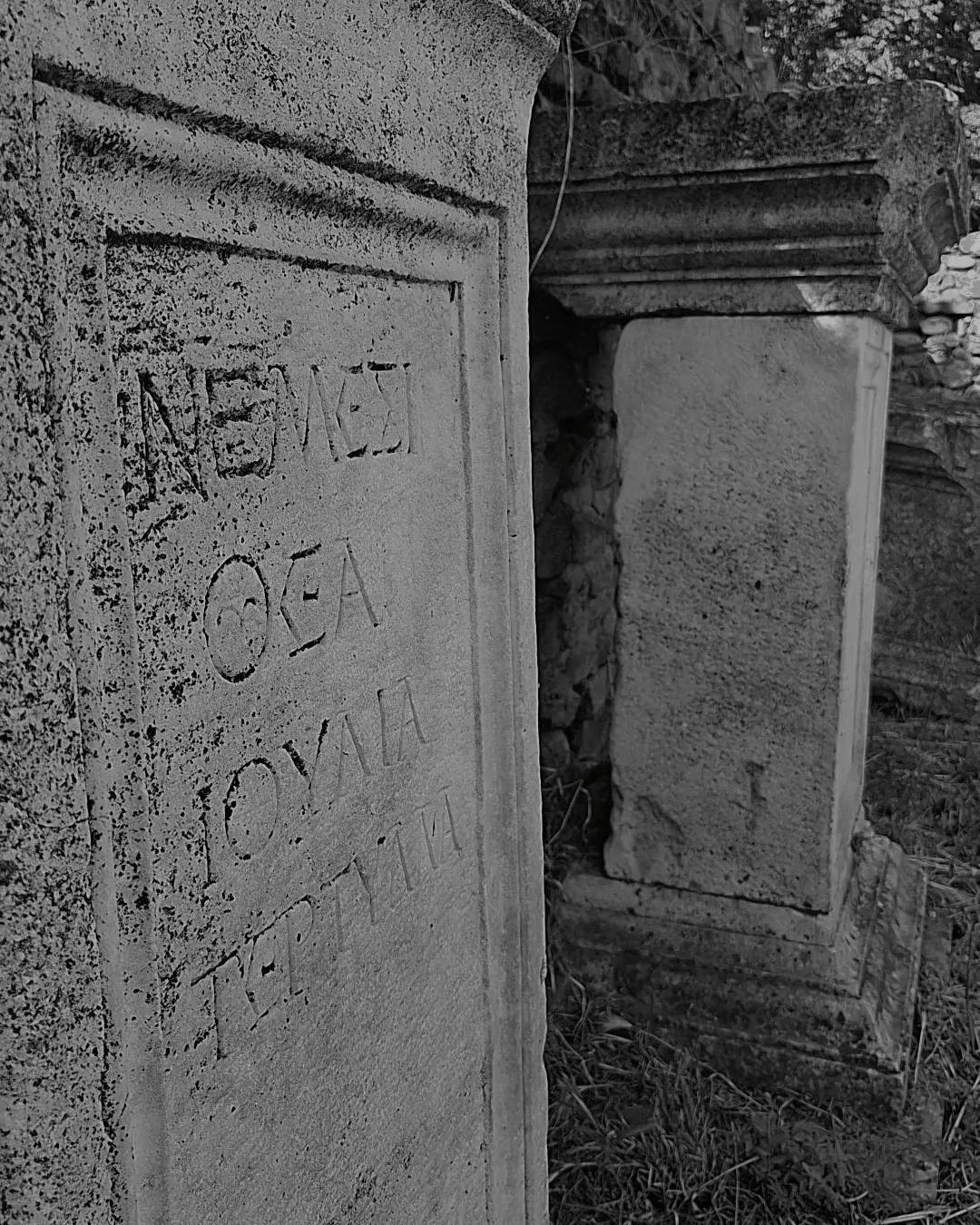
What Is Digital Epigraphy? A Modern Revival of Ancient Inscriptions
 Let’s rewind briefly to our origin point! Many of you still wonder: Is digital epigraphy solely about capturing inscriptions and transcribing them online, or does it encompass something deeper?
The answer can be summarized using these key terms: ‘digitization,’ ‘encoding,’ ‘database creation,’ ‘semantic annotation,’ ‘visualization,’ and ‘collaboration.’ 


 Digitization involves capturing high-quality images of inscriptions using cameras or scanners. These images serve as the foundation for further analysis and encoding.
 Inscriptions are encoded using markup languages like TEI XML. This process includes transcribing the text, annotating features (such as abbreviations, ligatures, and line breaks), and providing metadata (such as provenance, date, and material).
 Digital epigraphists create databases to organize and manage inscriptions, allowing researchers to search, compare, and analyze them across different contexts.
 Beyond mere transcription, digital epigraphy incorporates semantic information. For instance, it links personal names to prosopographical databases or identifies geographical locations.
 Digital tools enable interactive visualizations of inscriptions, allowing researchers to explore them spatially, temporally, or based on specific criteria.
 Digital platforms facilitate collaboration among scholars worldwide.
In summary, digital epigraphy represents a revival of the entire field, blending traditional philological methods with modern technology to enhance our understanding of ancient inscriptions. 
