South-Eastern Europe in the period of the Roman principate (I-III c. AD) - PART 2
South-Eastern Europe in the period of the Roman principate (I-III c. AD) - PART 1
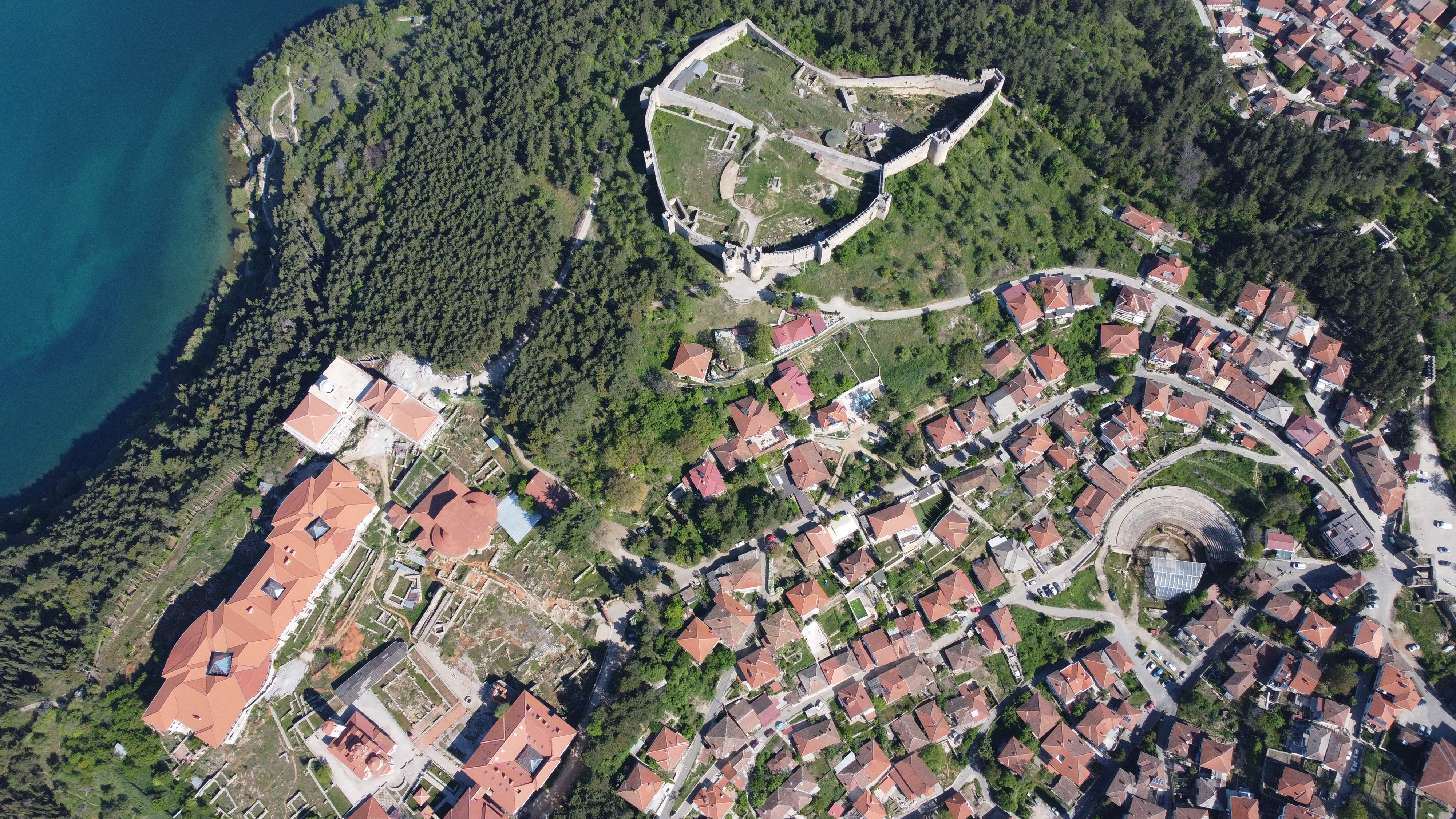
The area surrounding present-day Lake Ohrid represents one of the oldest cultural centers in western Macedonia. The earliest known inhabitants were the Brygi and the Taulantii, followed by the Enchelei from the late 6th century BC - a pre-Illyrian, Mediterranean substratum. In the 3rd century BC, the Dassaretii are mentioned for the first time, inhabiting the territory known as Dassaretia, which extended from Orestis and Lynkestis in the east to Atintania and Parauaea in the south.
The region around the lake, known in antiquity as Lychnitida, developed separately from Dassaretia in its early stages. Archaeological research in Varosh, Samuel’s Fortress, and Plaošnik confirms continuous habitation from the Late Bronze and Early Iron Ages (12th–9th century BC). Finds dating from the 9th–7th centuries BC, when the area was settled by the Brygi and the Enchelei, reveal strong cultural links with the Epirote–Macedonian cultural sphere.
In the 6th–5th centuries BC, the necropolis near Gorna Porta was formed, associated with the rich burials of Trebenište and marked by strong artistic influences from Corinth and southern Italy - clear indicators of the region’s economic and urban prosperity.
During the Classical and Hellenistic periods, Lychnidos developed as a key crossroads between Macedonia, Epirus, and Illyria. Following the campaigns of Philip II and Alexander III of Macedon, the city came under Macedonian rule and, by the 3rd–2nd centuries BC, became a strategic center amid the conflicts between Macedonia, Illyria, and Rome. Numismatic finds bearing the inscriptions ΛΥΧΝΙΔΙΩΝ and ΔΑΣΣΑΡΗΤΙΩΝ attests to the existence of a local mint, whose symbols reflect the influence of Epirote coinage.
The monumental Macedonian tomb near the Ancient Theatre, dated to the late 3rd - early 2nd century BC, bears close architectural and decorative parallels with the tomb at Pydna, as well as similarities with those at Amphipolis, Stavropol (Xanthi), and Cassope in Epirus. Grave goods from the necropoleis of Deboj and Gorna Porta further confirm Lychnidos’ close connections with the Hellenistic world, particularly through trade links with Macedonia, southern Italy, Epirus, the cities of Lower Macedonia, and the Illyrian and Adriatic coasts. Archaeological and epigraphic evidence clearly indicate that Lychnidos was an important urban, economic, and cultural center during the Hellenistic period - integrated within the Upper Macedonian cultural sphere and the wider Hellenistic and Roman worlds.
After the defeat of the Macedonian kingdom at the Battle of Pydna (168 BC) and the capitulation of the Illyrian king Gentius, the entire territory of Macedonia and the western Balkans came under Roman control. Although formally declared “free,” these lands were divided into four administrative districts under strict Roman governance. Lychnidos and the territory of the Dassaretii, due to their cooperation with Rome, were granted the status of libera gens - a “free people” - with limited autonomy. Following the uprising of the pretender Philip (Andriskos) in 149 BC, Macedonia was transformed into a Roman province, and Lychnidos was incorporated within it.
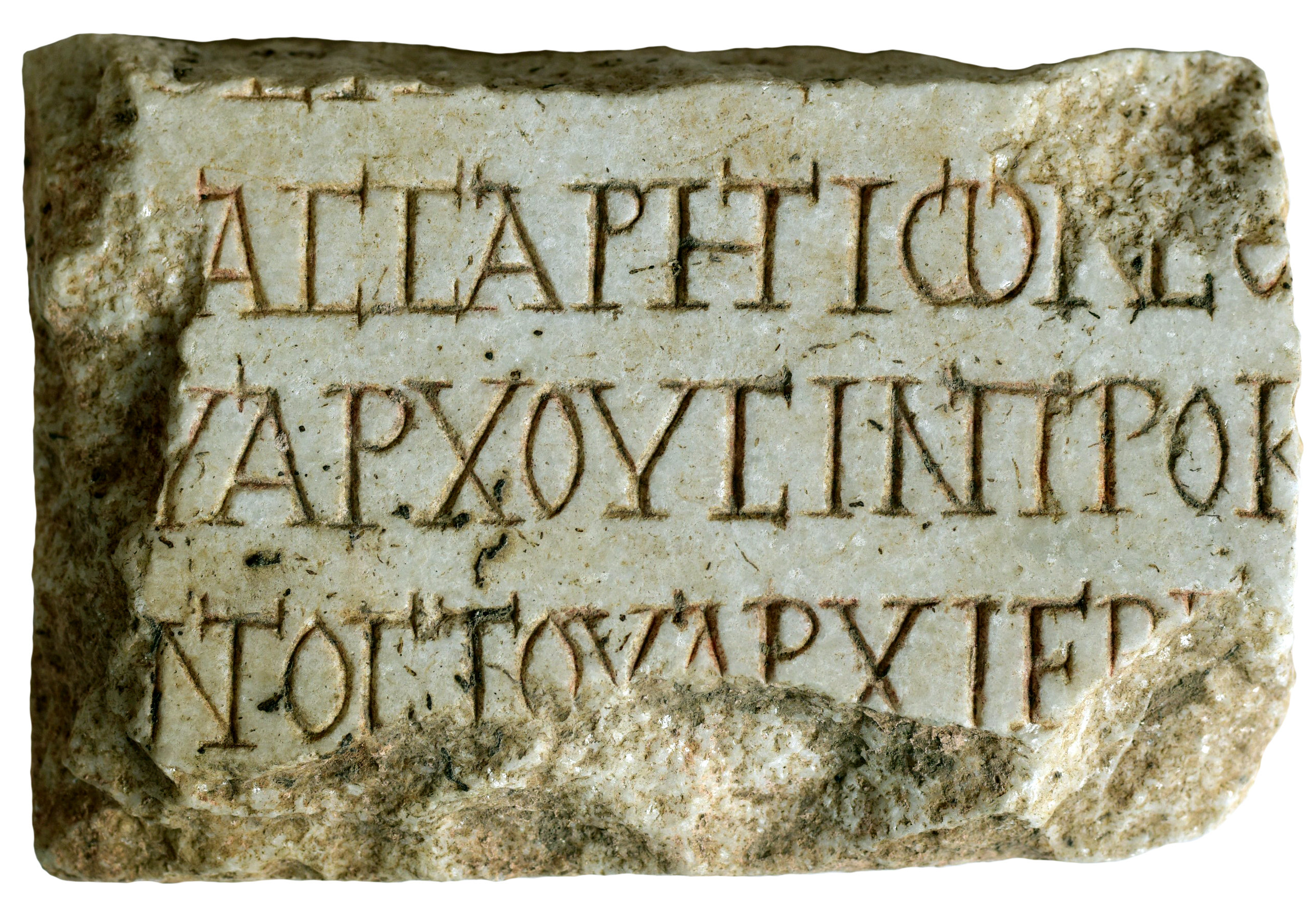
During the Early Imperial period (1st century BC – 3rd century AD), Lychnidos developed into an organized urban center. The city belonged to the community of the Dassaretii and possessed its own governing bodies: archons, a council (βουλή), and a popular assembly (δῆμος). The high office of strategos is confirmed by inscriptions from Saint Erasmus and other sites, pointing to a well-structured system of local self-government.
Situated along the Via Egnatia - the great Roman road connecting the Adriatic and the Aegean seas - Lychnidos became an important station for trade and communication. Numismatic finds from the 1st century BC to the 3rd century AD testify to an active monetary circulation and local economic stability. Numerous material remains from this era - public inscriptions, luxury ceramics, mosaics, and architectural structures - confirm the city’s urban transformation and its cultural influence in the region. During the first three centuries AD, Lychnidos flourished under the Pax Romana, which ensured lasting economic and cultural prosperity.
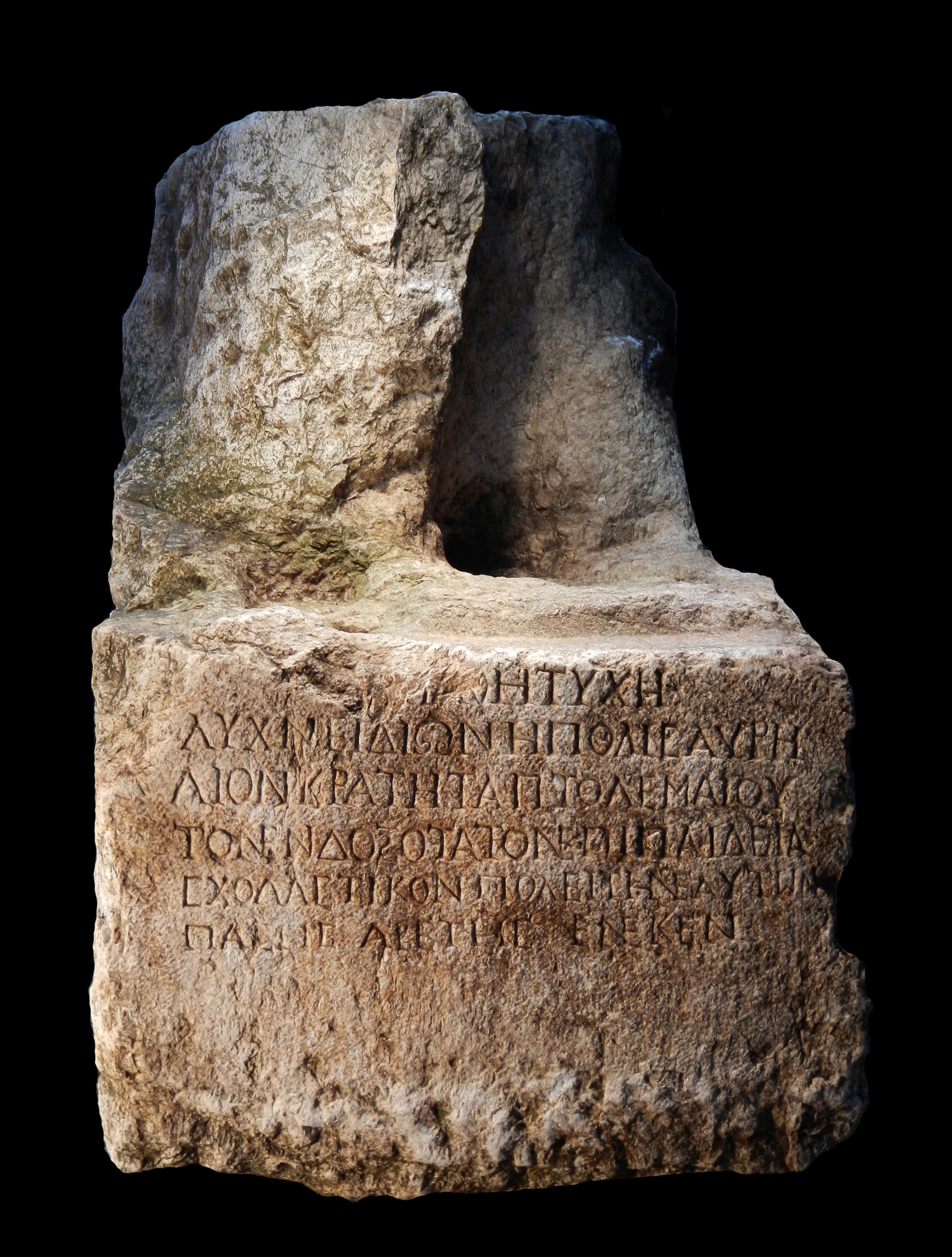
The most renowned citizen of Lychnidos, highly esteemed in his time (first half of the 3rd century AD), was Aurelius Krates, son of Ptolemaios. Celebrated for his learning, the Athenians erected his statue in the Asclepieion on the Acropolis, as recorded by an inscription in which the Dassaretii honored their fellow citizen for his virtues. The pedestal of this statue was discovered during excavations of the foundations of the polyconchal church in the 1960s. Another statue base, again dedicated to Aurelius Krates, was uncovered during excavations at the Ancient Theatre in 2000. Erected by the citizens of Lychnidos, its inscription is almost identical to the first, except that the Athenian honors are omitted. The name Αὐρήλιος Κράτης Πτολεμαίου retains the Macedonian naming formula, preceded by the gentilic name acquired after the Constitutio Antoniniana. These inscriptions from Lychnidos attest to the high educational and intellectual level of the local elite.
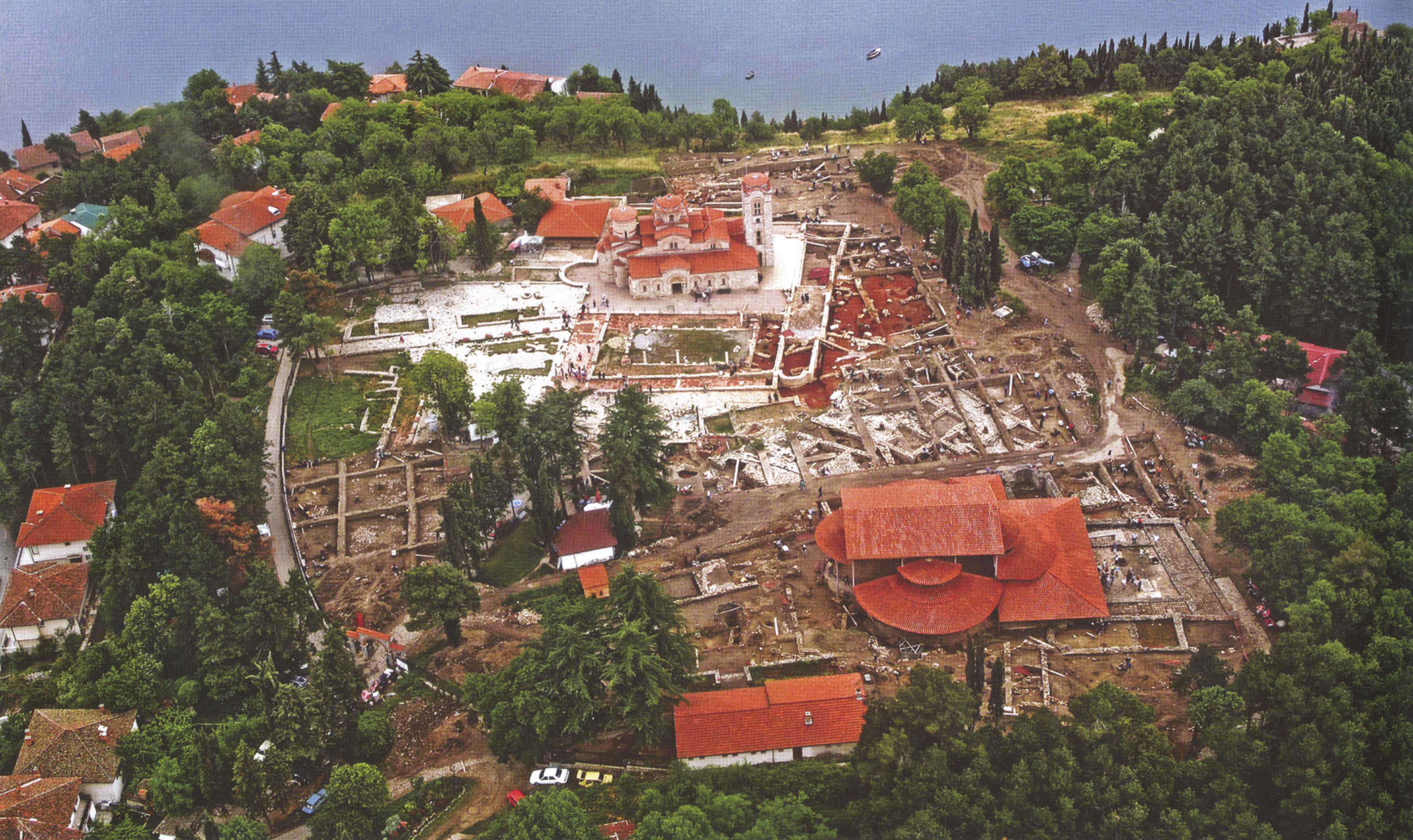
During Late Antiquity, Lychnidos underwent significant administrative and political changes. Under Emperor Diocletian (late 3rd - early 4th century AD), the province of Macedonia was reorganized, and new administrative units - Thessaly and Epirus nova - were established. Several epigraphic records confirm Lychnidos’ affiliation with Epirus nova, including dedications to Emperors Constans, Constantius Gallus, and Constantine I, erected by governors Flavius Hyginus and Sophronius. These inscriptions suggest that Lychnidos may have functioned as an administrative center of Epirus nova, especially after the earthquake of 314 AD, which destroyed Dyrrachium.
With the establishment of Christianity as the state religion, Lychnidos became actively involved in the Christianization of the region. Plaošnik remained the spiritual heart of the city and the seat of the local episcopate. Historical sources mention four bishops of Lychnidos: Dionysius (participant at the Council of Serdica in 343 AD), Antonius, Laurentius, and Theodoretus. Bishop Laurentius stood out as a supporter of Catholic doctrine and a collaborator of the Roman Curia, while Bishop Theodoretus, in 519 AD, received the papal delegation - a testament to the city’s religious and political loyalty to the papacy.
Archaeological excavations confirm the considerable urban and spiritual development of Late Antique Lychnidos. In the area of Plaošnik and throughout the wider city zone, numerous early Christian basilicas and churches from the 5th and 6th centuries have been uncovered, adorned with rich mosaic floors featuring geometric and floral motifs. The most prominent among them are the large three-aisled basilica with a baptistery and the monumental polyconchal church, built in the second half of the 5th century, both testifying to a high level of architectural and artistic sophistication.
During the same period, a massive fortification built in opus mixtum technique surrounded the city’s upper and lower hills - today’s Varosh - providing effective defense against external attacks, including the Gothic invasion led by Theodoric in 478/479 AD. The city covered an area of approximately 38 hectares. Under Bishop Laurentius, Lychnidos reached a period of economic and cultural prosperity, featuring an organized city square north of the basilica and expanded necropoleis at Deboj and Gorna Saraj.
In Late Antiquity, Lychnidos emerged as a prominent administrative, ecclesiastical, and cultural center of the province of Epirus nova. Through the processes of Christianization, advanced architecture, and a rich epigraphic tradition, the city maintained its regional importance well into the 6th century, standing as one of the most significant urban centers in the southern Balkans.
Kalina Kuzman Dodevska
Папазоглу Фанула, Охридско во праисторијата и во античкиот период, Историски прилики, во: Охрид и Охридско низ историјата, Скопје, 1985, 63–124.
Кузман Паско, Старомакедонски симболи на археолошки предмети од Самуиловата Тврдина во Охрид, Folia Archaeologica Balkanica I, 2006, 215–244.
Јованова Ленче, Македонија во римскиот период (археологија) во: Македонија, милениумски културно-историски факти, Скопје, 2013, 824-828.
Кузман Паско - Почуча Кузман Нада, Златото на Лихнитида, Охрид, 2014.
Битракова Грозданова Вера / Bitrakova Grozdanova Vera, Лихнид и Дасаретија / Lychnidos et Dassaretie, Скопје 2017.
Bitrakova Grozdanova Vera, Dassarètes et Lychnidiens – Nouvelles sources épigraphiques et numismatiques, Illyrica antiqua in honorem Duje Rendić–Miočević: Proceedings of the International Conference, Šibenik, 12th-15th September 2013, Zagreb 2017, 69–81.
Кузман Паско, Археолошки сегменти на улицата Цар Самуил во Охрид, Археолошки информатор бр. 2, 2018, 61-70.
Кузман Паско, Античка некропола во Самуиловата Тврдина / Цитадела во Охрид, Monumenta бр. 5, 2020, 279-301.
Бабамова Славица - Кузман Додевска Калина / Babamova Slavica - Kuzman Dodevska Kalina, Епиграфски споменици од Плаошник - Охрид / Epigraphic monuments from Plaošnik - Ohrid, Охрид 2021.
The ancient city of Styberra, one of the most significant urban centres in ancient Macedonia, is located near the village of Čepigovo, in the Prilep region. Archaeological research on the site known as Bakarno Gumno, situated on the western entrance to Čepigovo, has revealed traces of an earlier settlement dating from the Eneolithic and Bronze Ages.
Due to its strategic position, this early settlement gradually developed into an important centre for the Macedonian kings. The fertile Pelagonian plain, the proximity of the ancient Erigon River (today’s Crna Reka), and the Sivec marble quarry, known for its high-quality stone, became additional factors that contributed to the rapid prosperity of the city during Roman rule. The greatest flourishing of life in Styberra is archaeologically attested during the Antonine and Severan dynasties (2nd–3rd centuries AD), a period marked by the pax Romana throughout the Roman Empire.
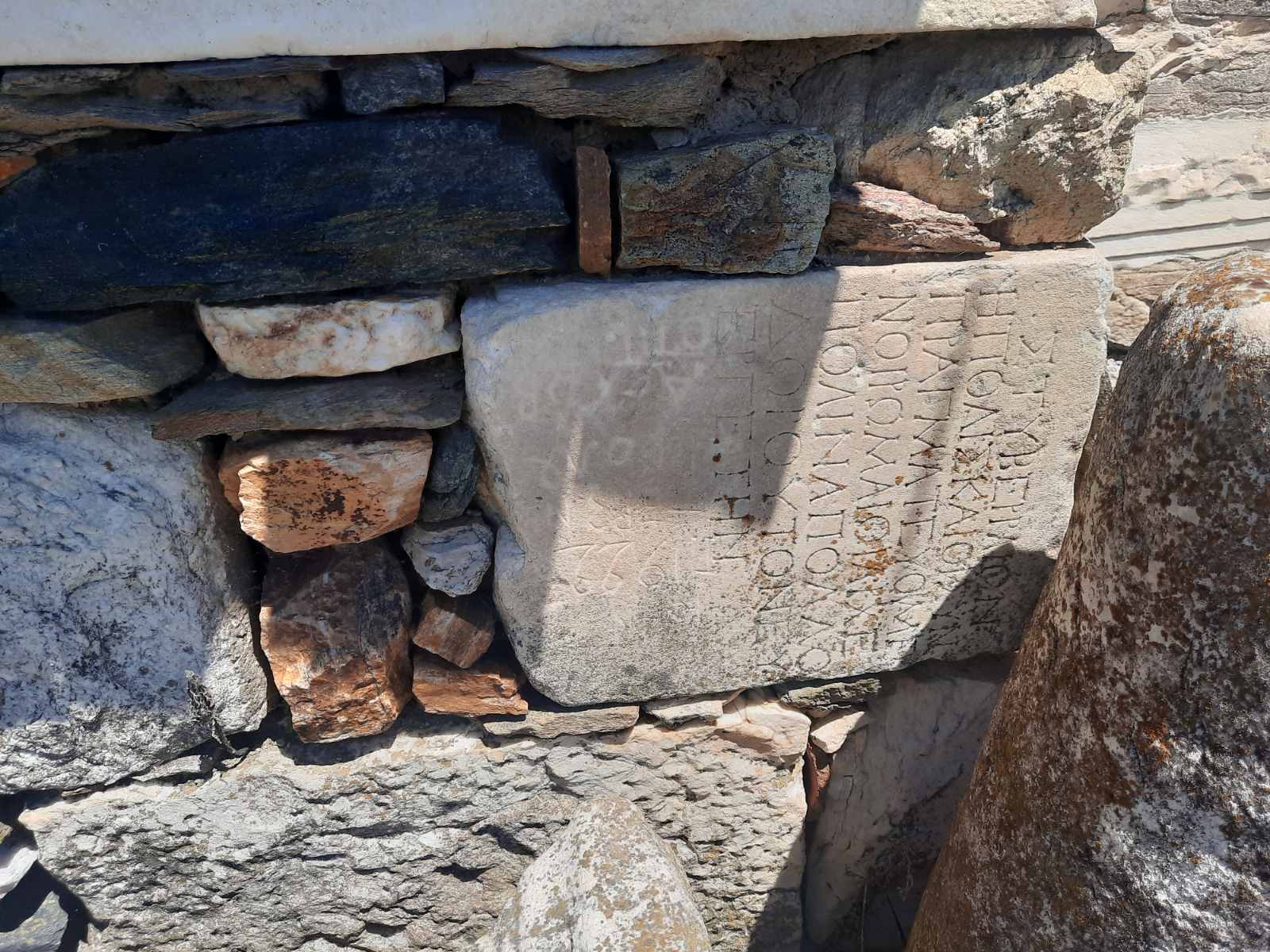
The city served as the administrative centre of the region of Derriop, mentioned by Strabo, Livy, and Polybius. Strabo records the three cities of Derriop – Bryanion (modern village of Graište), Alkomena (in the areas of the villages Bela Crkva and Bučin), and Styberra (near Čepigovo) – all located along the Erigon River. Livy and Polybius refer to Styberra in the context of the military campaigns of Philip V and Perseus against the Romans, during the Second and Third Macedonian–Roman Wars.
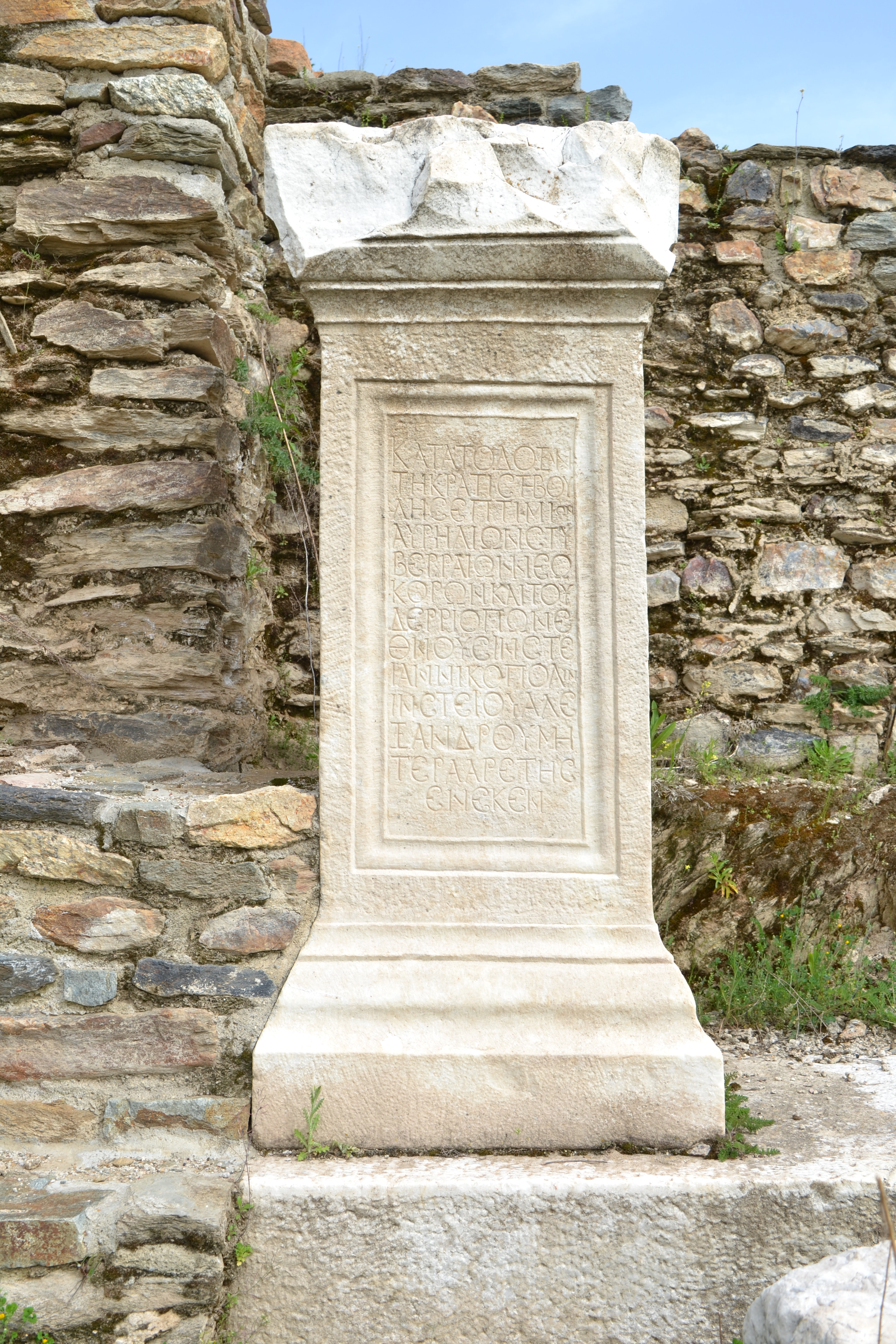
During the reign of the Roman emperors Septimius Severus and Caracalla, Styberra received the honorary title Septimia Aurelia Styberra, most likely in 202 AD, when the emperors travelled along the Via Egnatia, moving from Asia and passing through Heraclea, Styberra, Stobi, and Scupi, on their way to the Danube River. This name reflected a special imperial distinction and favour toward the city. Styberra also received the status of neokoria, a mark of imperial trust and privilege that allowed the city to conduct and uphold the imperial cult.
After the second half of the 3rd century AD, archaeological evidence indicates that Styberra began to decline in importance, likely as a result of the Gothic and Herulian raids in 267/268 AD. By the late 4th century, following continued invasions by barbarian tribes from Central Europe, urban life in Styberra had completely ceased.
Because the city was not reoccupied in later periods, Styberra represents a rare example of well-preserved architectural remains from the early imperial period (1st–3rd centuries AD). Its undisturbed archaeological layers make it a unique case in Macedonian archaeology.
Discovered structures in Styberra
On the flat plateau beneath the Bedem Hill, three public buildings of the ancient city have been uncovered: the Gymnasion, the Square with a poterna, and a public sacred structure, most likely dedicated to the imperial cult.
The Gymnasion
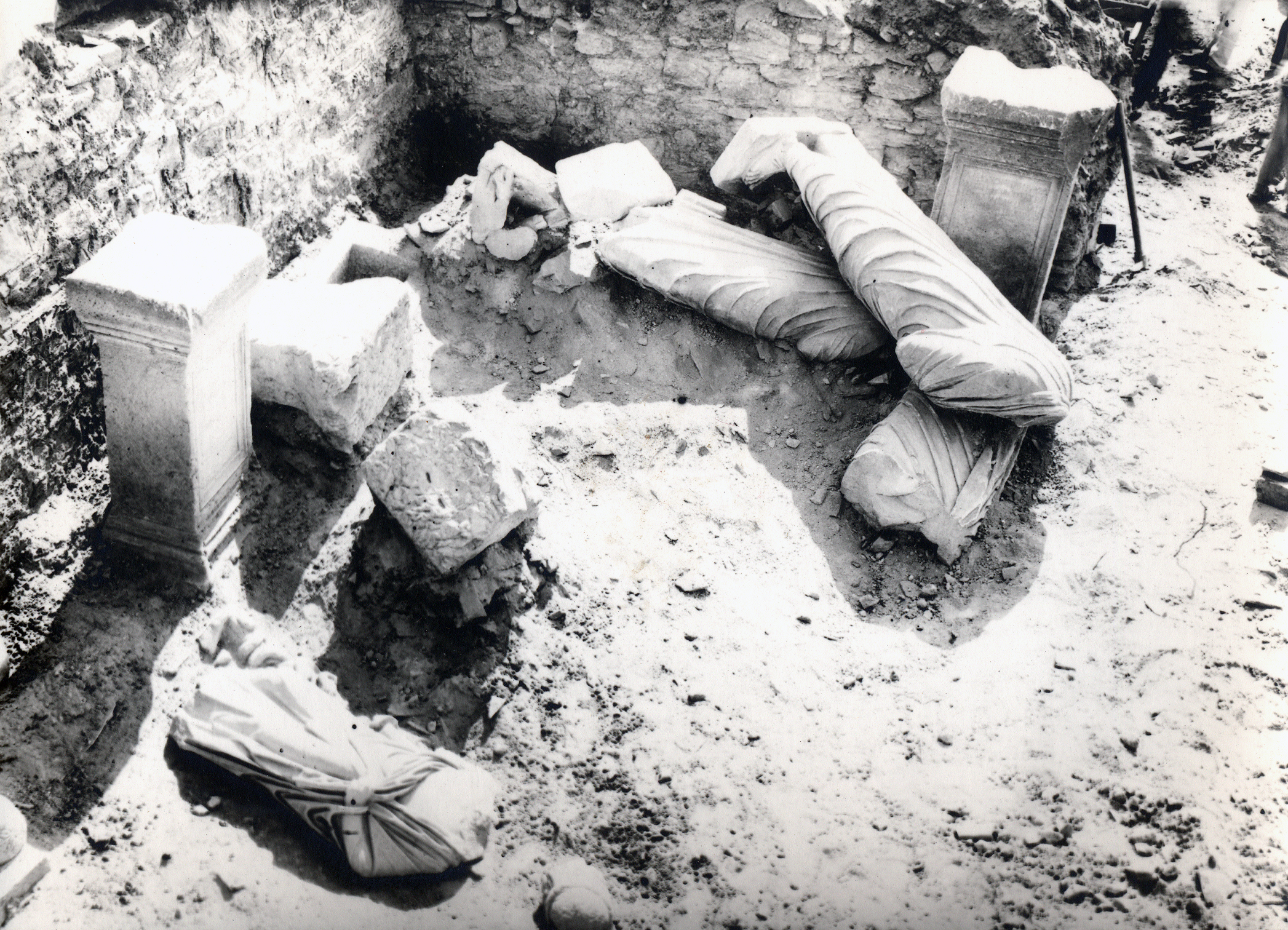
In ancient cities, gymnasia functioned as schools where students were educated in the highest intellectual disciplines, while equal attention was devoted to their physical training.
At the Gymnasion of Styberra, archaeologists have uncovered a peristyle with an atrium and pro-atrium, a semi-circular exedra, a heroon with a temenos (sanctuary), and part of an athletic track (dromos).
The peristyle and pro-atrium served as spaces for theoretical instruction of the students. From the northeastern corner of the pro-atrium, a semi-circular room (exedra) was built. The heroon was the place where ceremonies were held in honour of successful students, and where lists of ephebes (young men who completed their education) were displayed, arranged according to academic years. Within the heroon, statues of prominent citizens and of deities regarded as protectors of the gymnasion were also placed. In the niches on the outer western side of the heroon, at the centre stood a statue of the distinguished citizen Septimius Mestrius Lycus, while to the south and north of it were statues of an emperor, Nike, and Hermes. To the north of the heroon, a small shrine (temenos) was built, containing statues of Hermes, Heracles, and Asclepius.
The Square with a Poterna
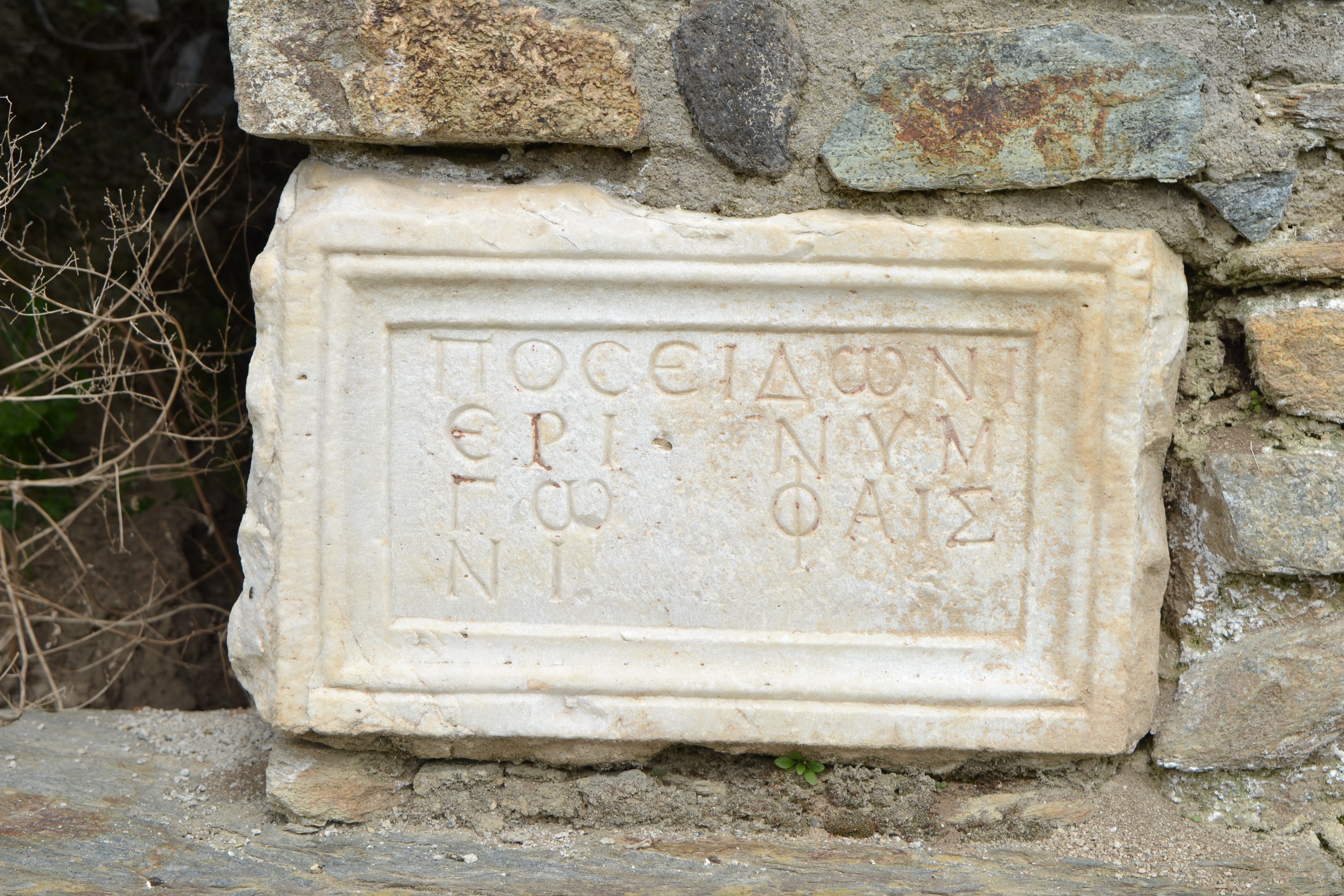
The Square was built north of the Gymnasion as its direct continuation. Through its central axis ran a drainage channel, which represented the main artery of the sewage system in this part of the city. At the point where the channel passed beneath the city wall, a fountain – poterna was constructed, bearing an inscribed dedication to Poseidon, the Nymphs, and Erigon, the deity of the river of the same name.
Public Sacred Building
North of the Square lies another public structure of uncertain function, within which two bases for honorary statues with inscriptions were found in situ. One inscription records that a statue was erected in honor of Insteius Alexander by his parents, Insteia Nicopolis and Flavius Paramonos, following the decision of the Assembly of the Macedonians and the Council of the District of Derriop. The other inscription honours Insteia Nicopolis, the mother of Insteius Alexander, for her virtue, according to the decision of the City Council and the Assembly of the region of Derriop.
The City Acropolis
The city's Acropolis was located on Bedem Hill. Excavations there have also uncovered several buildings, including a temple dedicated to the goddess Tyche, a sanctuary of an unidentified deity, the city agora, and another public building.
Temple of Tyche
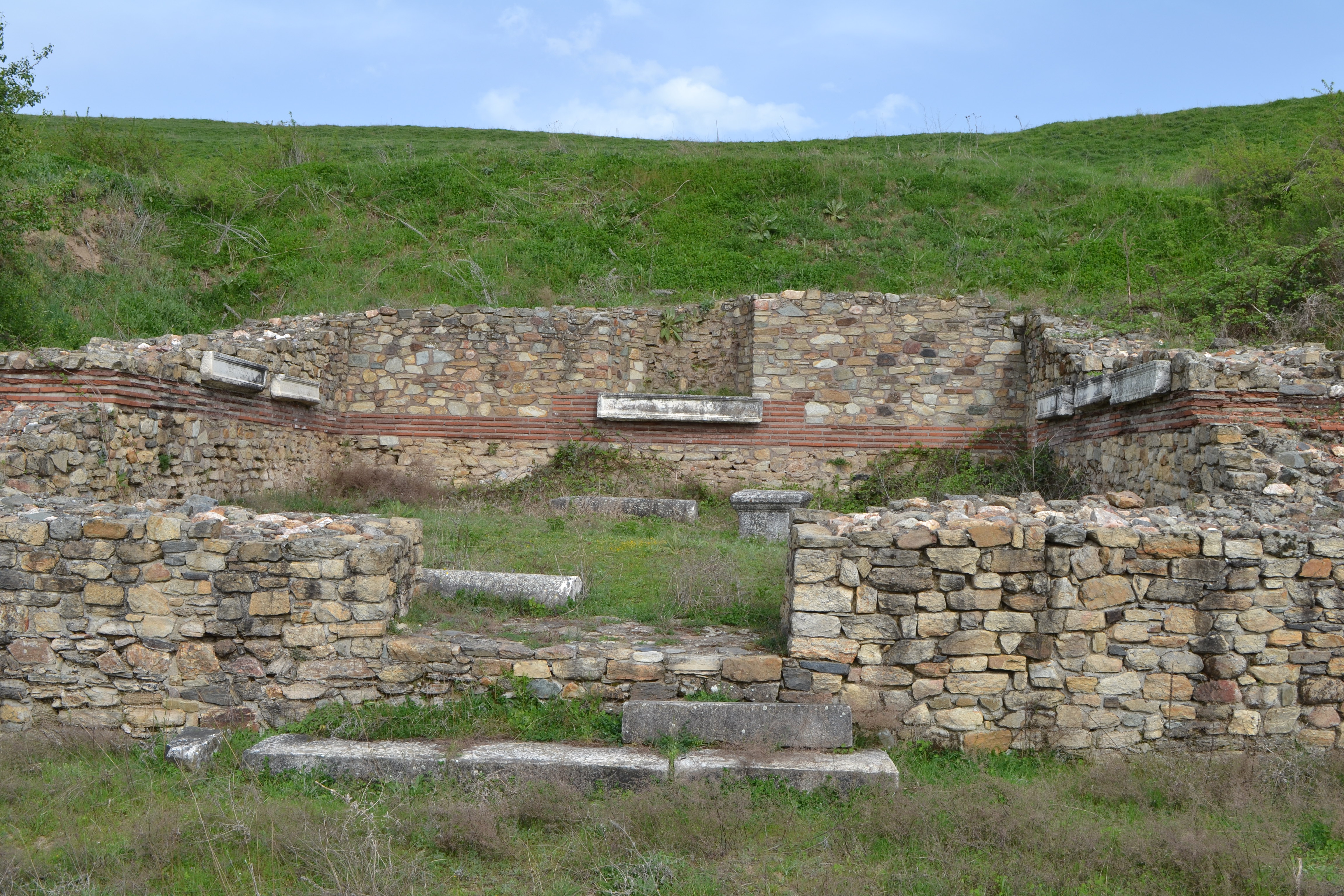
In every ancient city, there was at least one temple dedicated to a god or goddess whom the inhabitants regarded as their protector, usually located in the central urban area. In Styberra, this was the Temple of Tyche, the goddess of fortune, wealth, and prosperity.
Several marble artefacts discovered in the temple uncover its story. On the central wall, there was a semicircular niche containing a block with an inscription in Ancient Greek and in front of it lay two male busts with inscribed bases. Additionally, five more marble blocks were found in smaller niches, each inscribed with names and serving as bases for busts. Other finds include a small statue of the god Eros, a male head, and part of a male torso.
The Agora
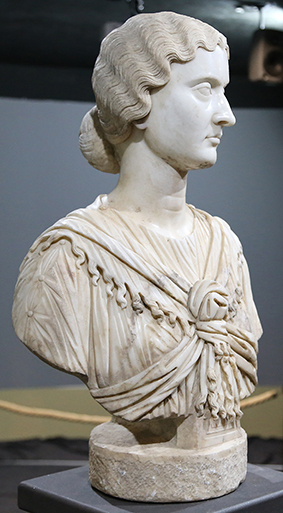
Immediately adjacent to the Temple of Tyche stood the Agora (city square) building. It had a central space paved with marble slabs, with a well located at its centre. Marble finds revealed their function, among which two marble tables are particularly notable. One bears an inscription recording the donation of Aelius Hymnos, who served as agoranomos (market overseer) of the city, for the making of a measuring table for goods, intended to meet the city’s needs, in 141/2 AD. Above the tables, in a wall niche, stood a bust of Faustina the Younger, wife of Emperor Marcus Aurelius and mother of Emperor Commodus, both significant figures in the life of the province of Macedonia. Given that Marcus Aurelius paid special attention to grain production and supply throughout the Empire (as part of the annona system), it is unsurprising that his wife was symbolically depicted as overseeing the grain trade in the fertile Pelagonian Plain. In another niche on the same wall was placed an altar dedicated to Hermes, the protector of merchants.
Slavica Babamova
Further reading:
Papazoglou Fanoula, Les villes de Macédoine a l’époque romaine, Supplement BCH, Paris 1988, 298-302.
Калпаковска Весна, Епиграфски сведоштва за жителите на Стибера, Битола, 2004.
Кепеска Лилјана – Кепески Костадин, Почитување на царскиот култ во Стибера, Maced. acta archaeol. 20, 2011, 317–328.
Јованова Ленче, Македонија во римскиот период (археологија), во: Македонија, милениумски културно-историски факти, Скопје 2013, 818-824.
(continues)
South-Eastern Europe in the period of the Roman principate (I-III c. AD) - PART 3