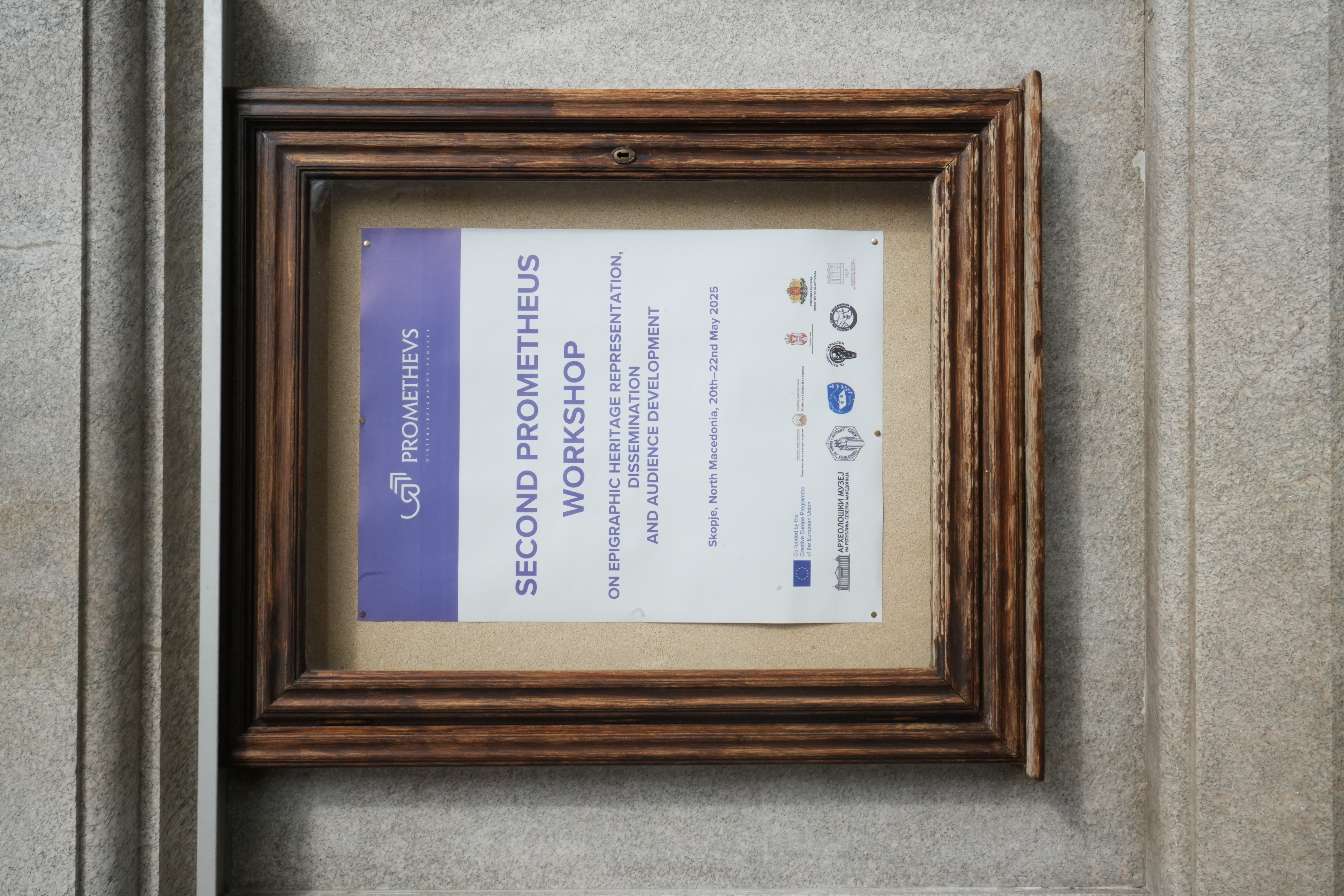
The Second PROMETHEUS Workshop Recap: A Three-Day Journey Through Epigraphy, Heritage, and Innovation
PROMETHEUS Workshop II: A Three-Day Journey Through Epigraphy, Heritage, and Innovation
From May 20 to 22, 2025, the city of Skopje became the epicenter of scholarly exchange and hands-on discovery, as the second PROMETHEUS workshop brought together students, researchers, and cultural professionals to explore the past, present, and future of Greek and Roman epigraphy. Hosted in a hybrid format at the Archaeological Museum of the Republic of North Macedonia, the event blended academic rigor with creative engagement across three inspiring days.
Day 1: Dialogues in Stone and Street
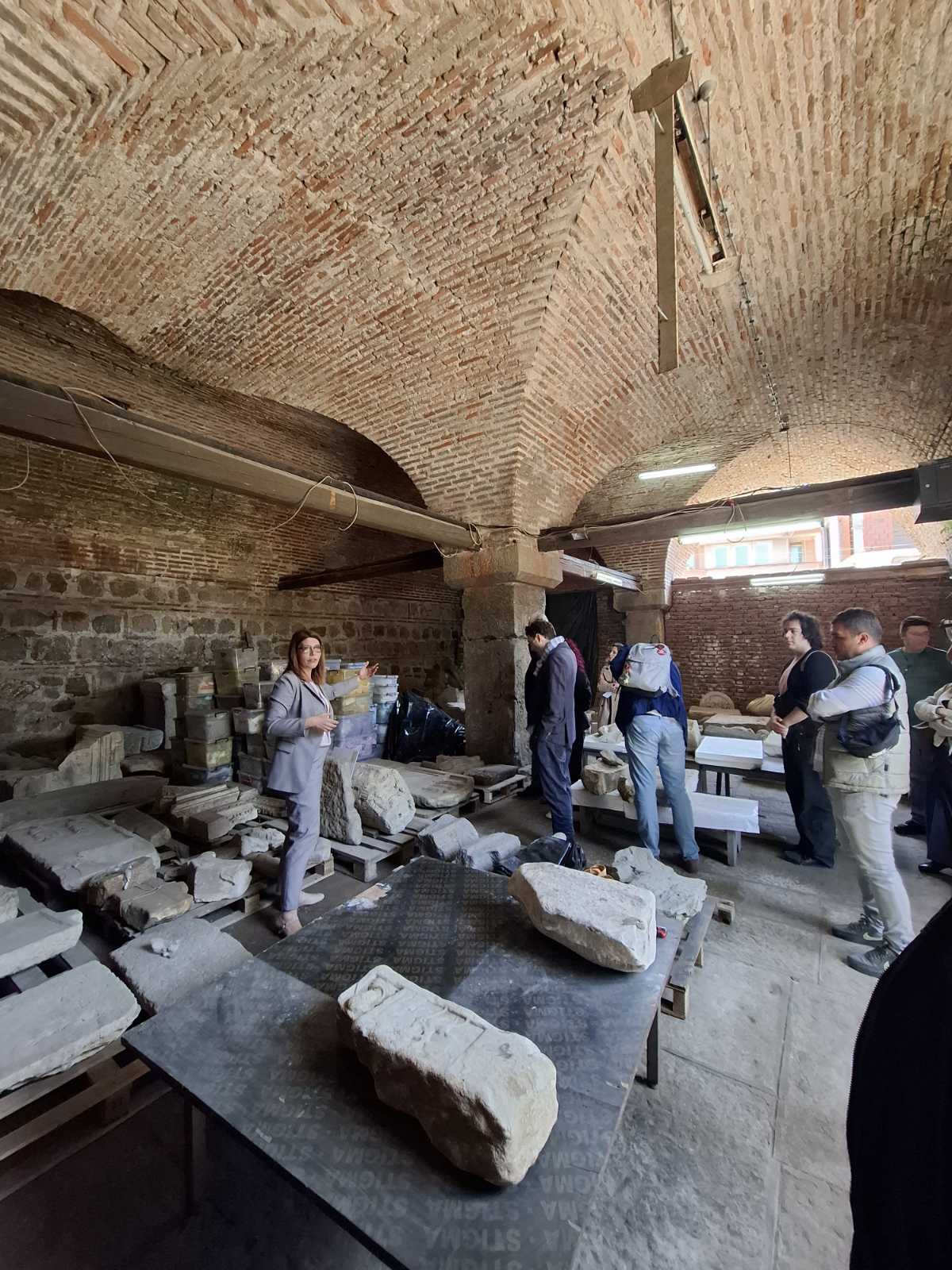
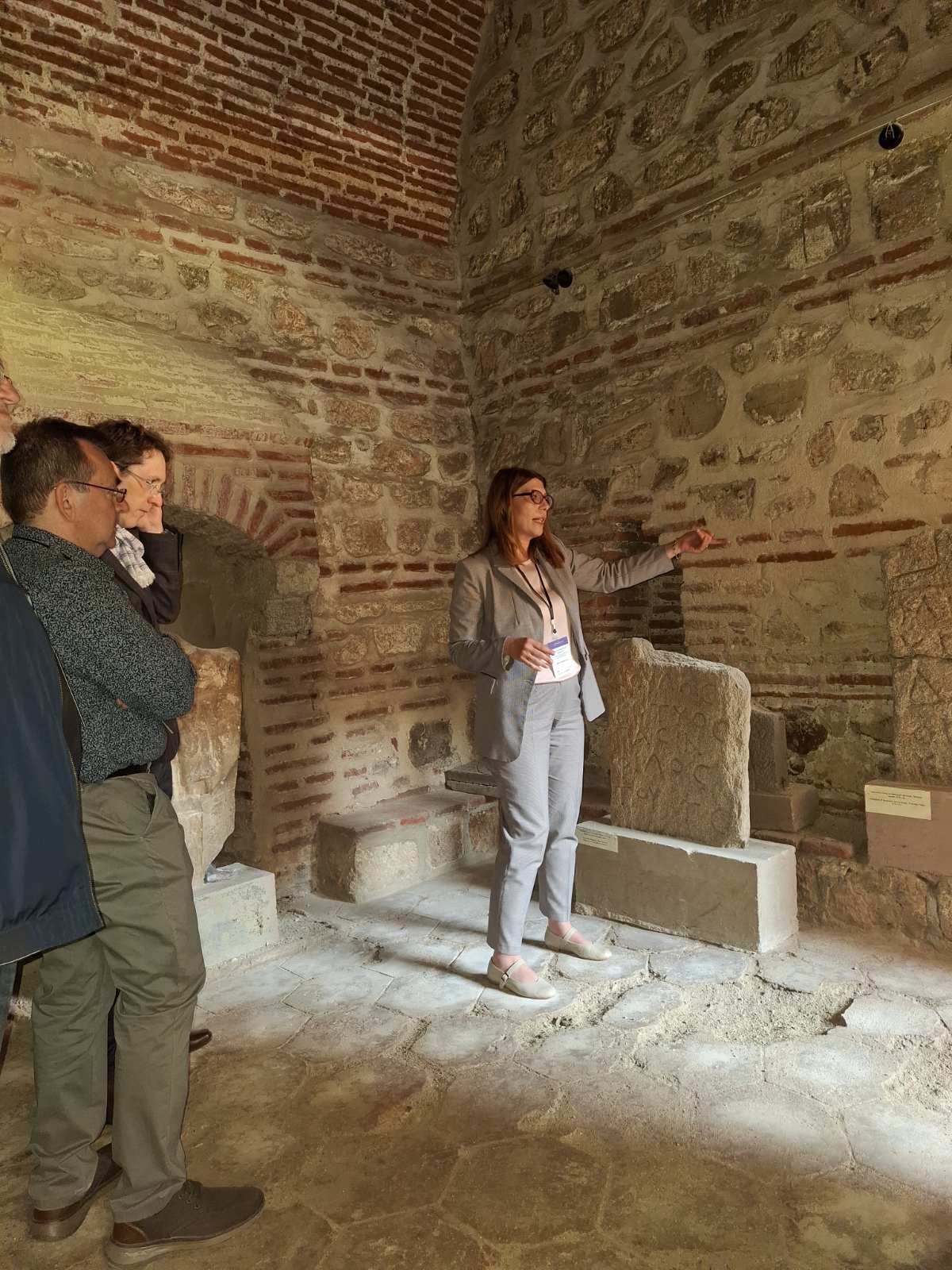
The workshop opened with a morning of reflection and reimagining. Slavica Babamova welcomed participants with a talk on the curatorial journey of the Skopje Lapidarium housed in Kurshumli An, tracing its historical roots and current challenges. Her presentation invited us to think critically about how we tell stories through inscriptions—and how we might do so differently in the future.
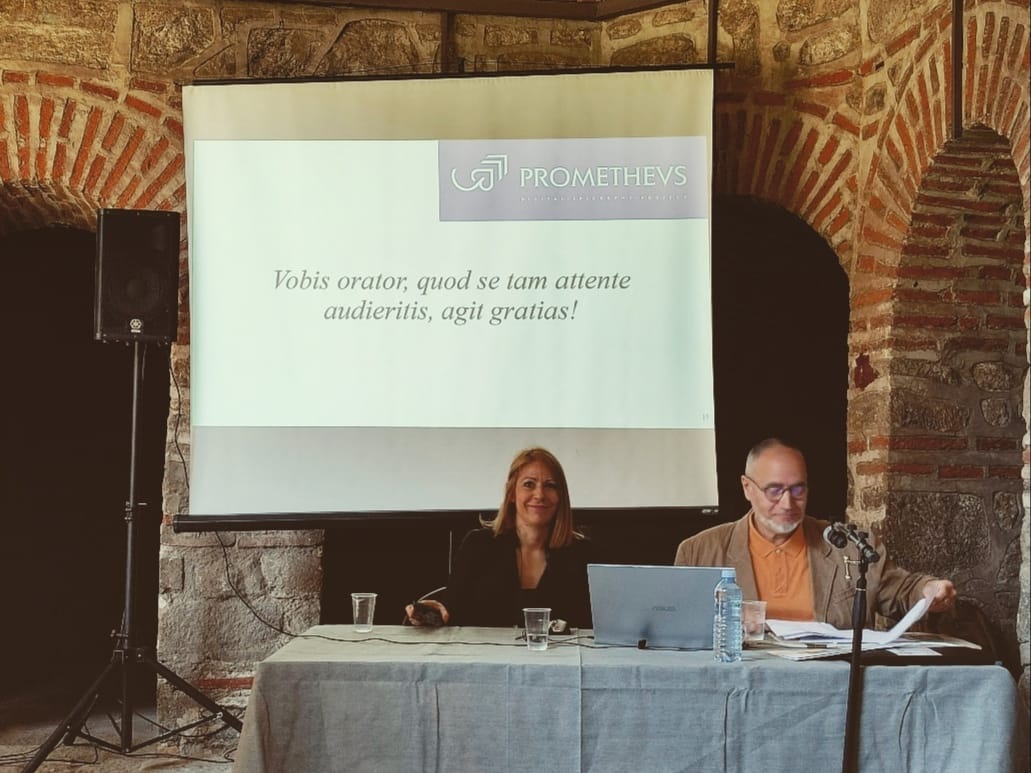
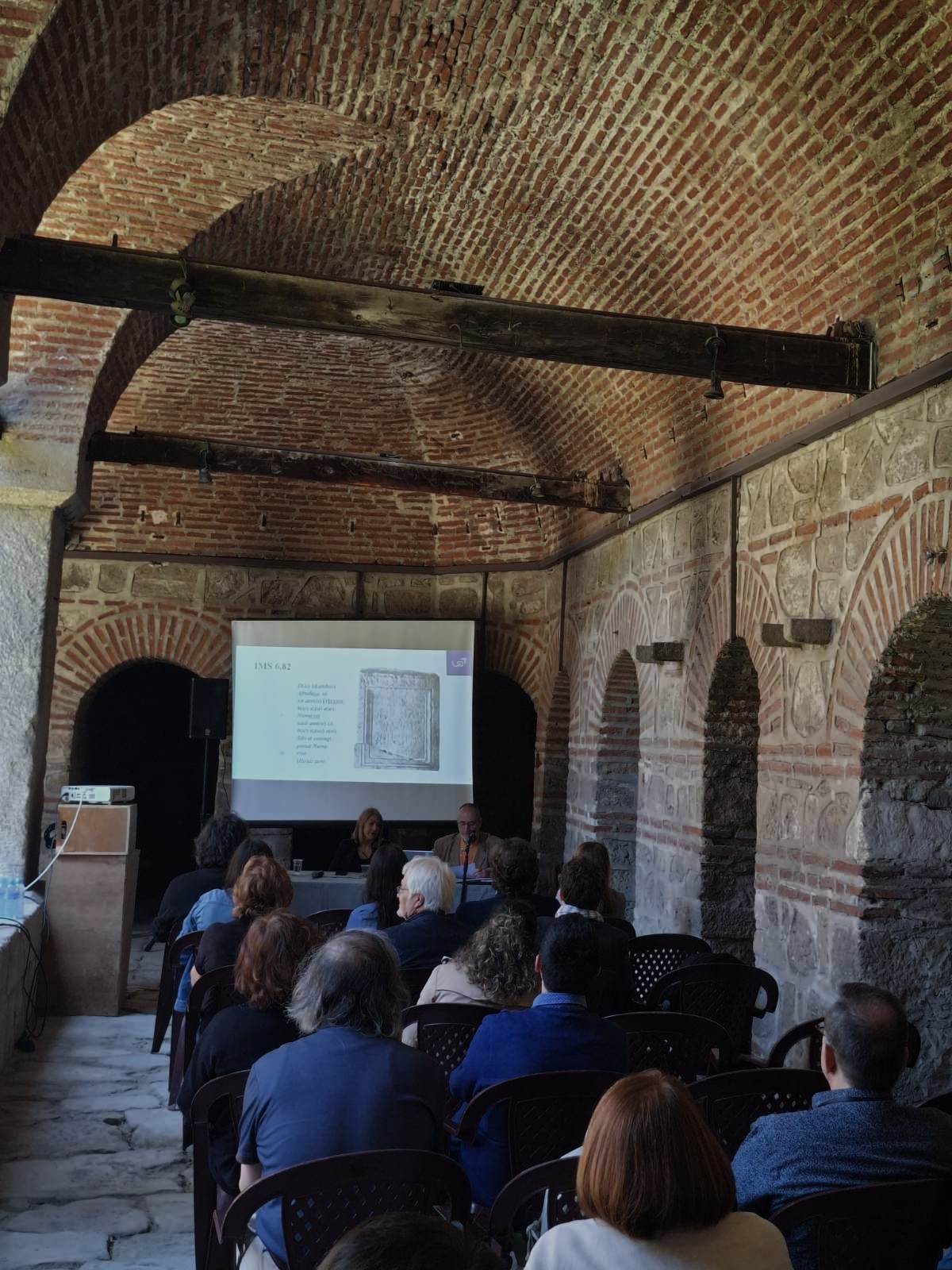
Next, Vojin Nedeljković offered an intriguing shift in perspective, demonstrating how Latin philology can breathe new life into Roman epitaphs from ancient Scupi. Moving beyond the usual archaeological lens, he presented a more text-centered analysis that emphasized literary form and linguistic nuance.
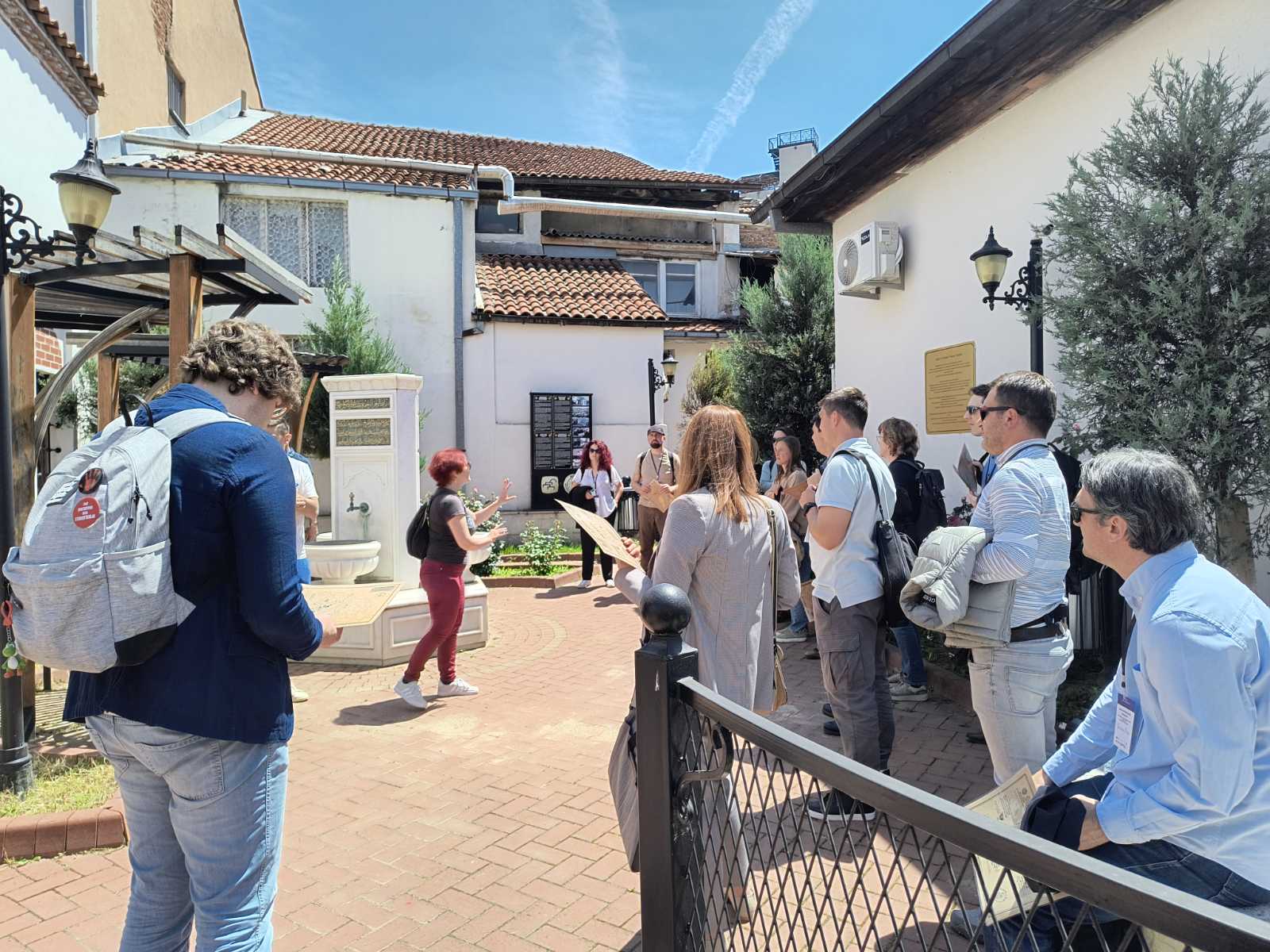
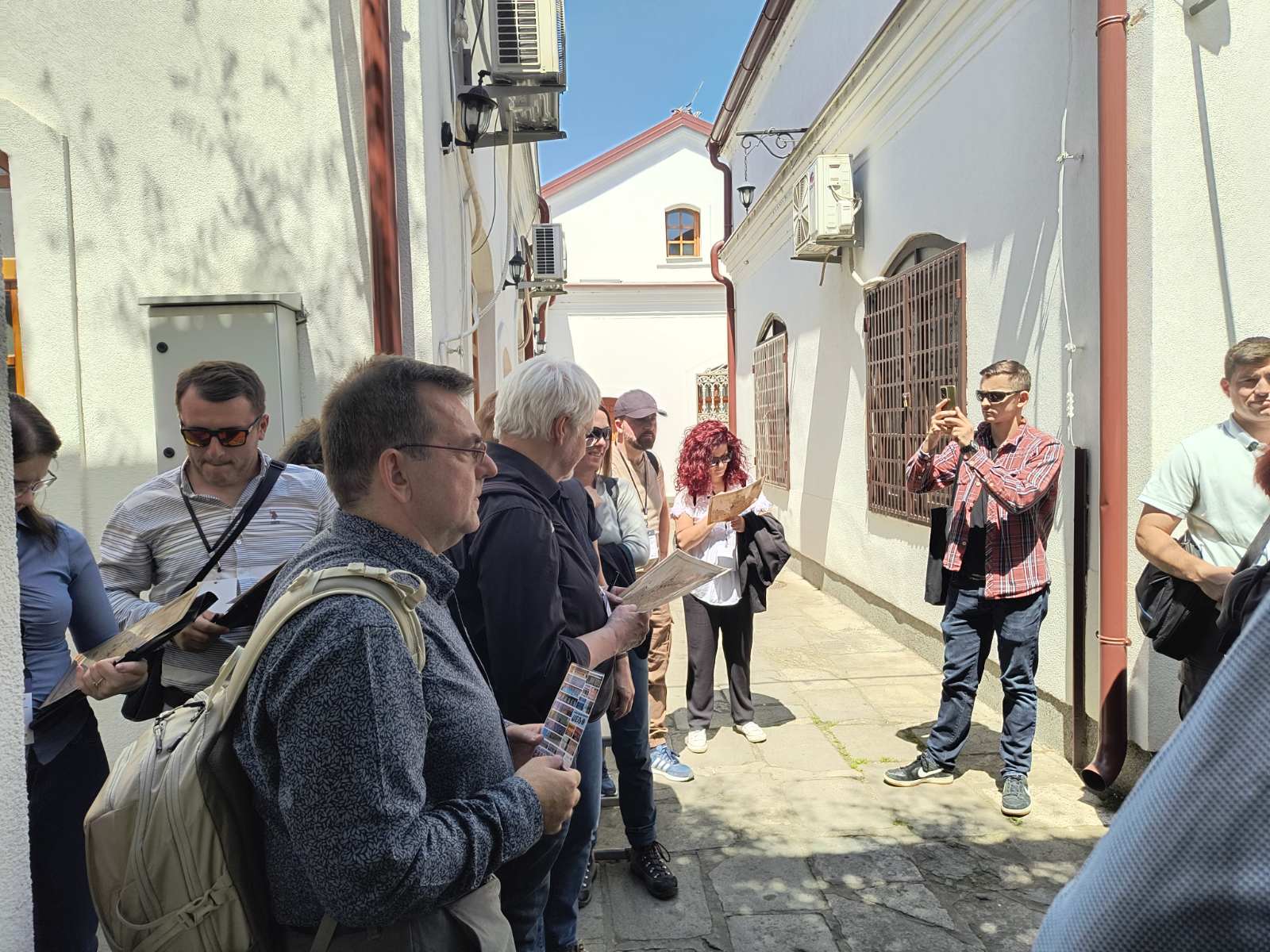
The energy of the morning spilled into the streets in the afternoon as Vasilka Dimitrovska led participants on an interactive adventure through Skopje’s Old Bazaar. Designed as a team challenge, this urban expedition invited participants to solve riddles and complete tasks while discovering hidden layers of the city’s history—an exercise in both play and perception.
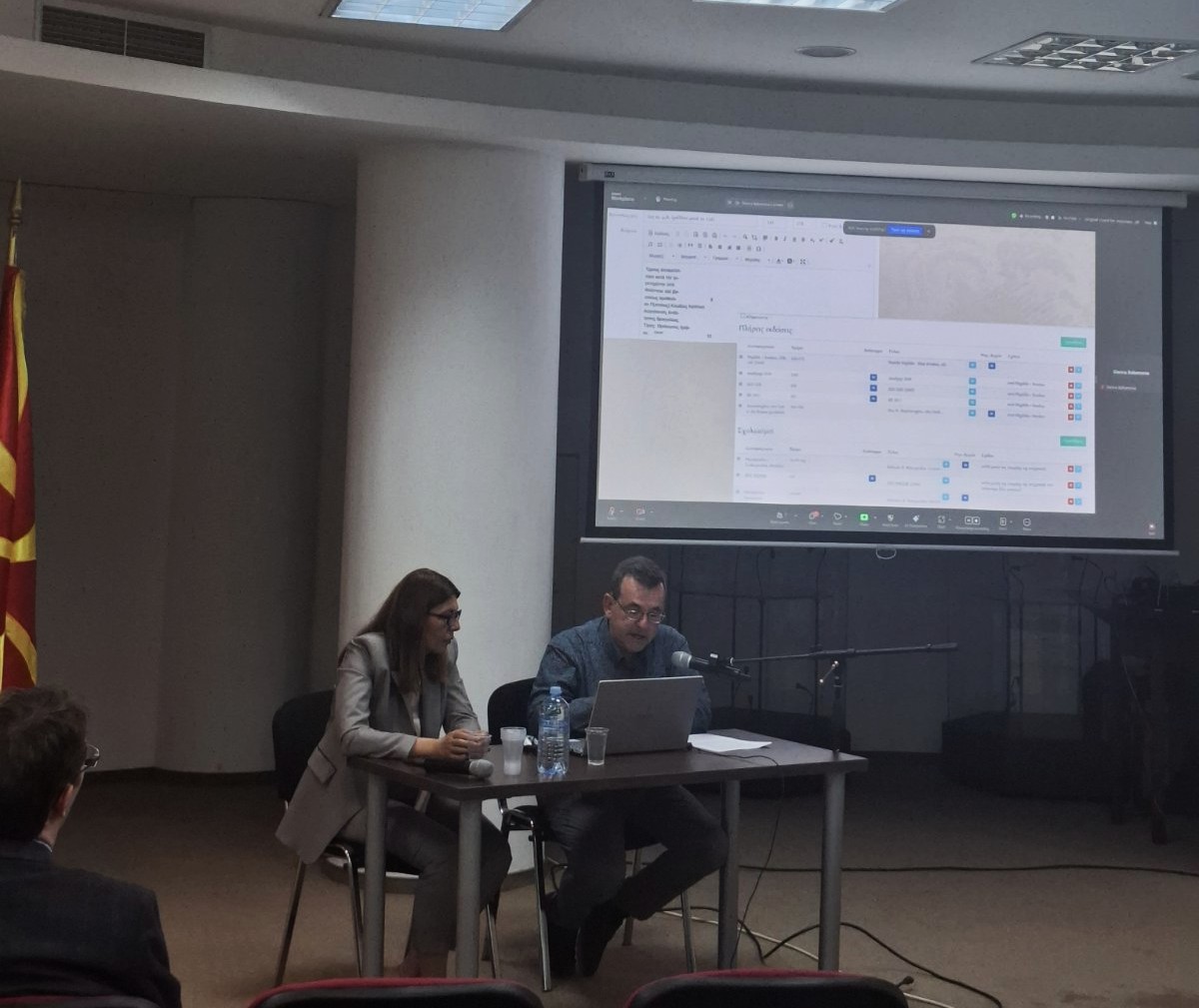
Later that day, the workshop returned to a more formal academic mode with a compelling series of presentations. Paschalis Paschidis recounted decades of work on Macedonian inscriptions by the Institute of Historical Research in Athens, highlighting the importance of institutional continuity and the synergy between digital and traditional epigraphy.
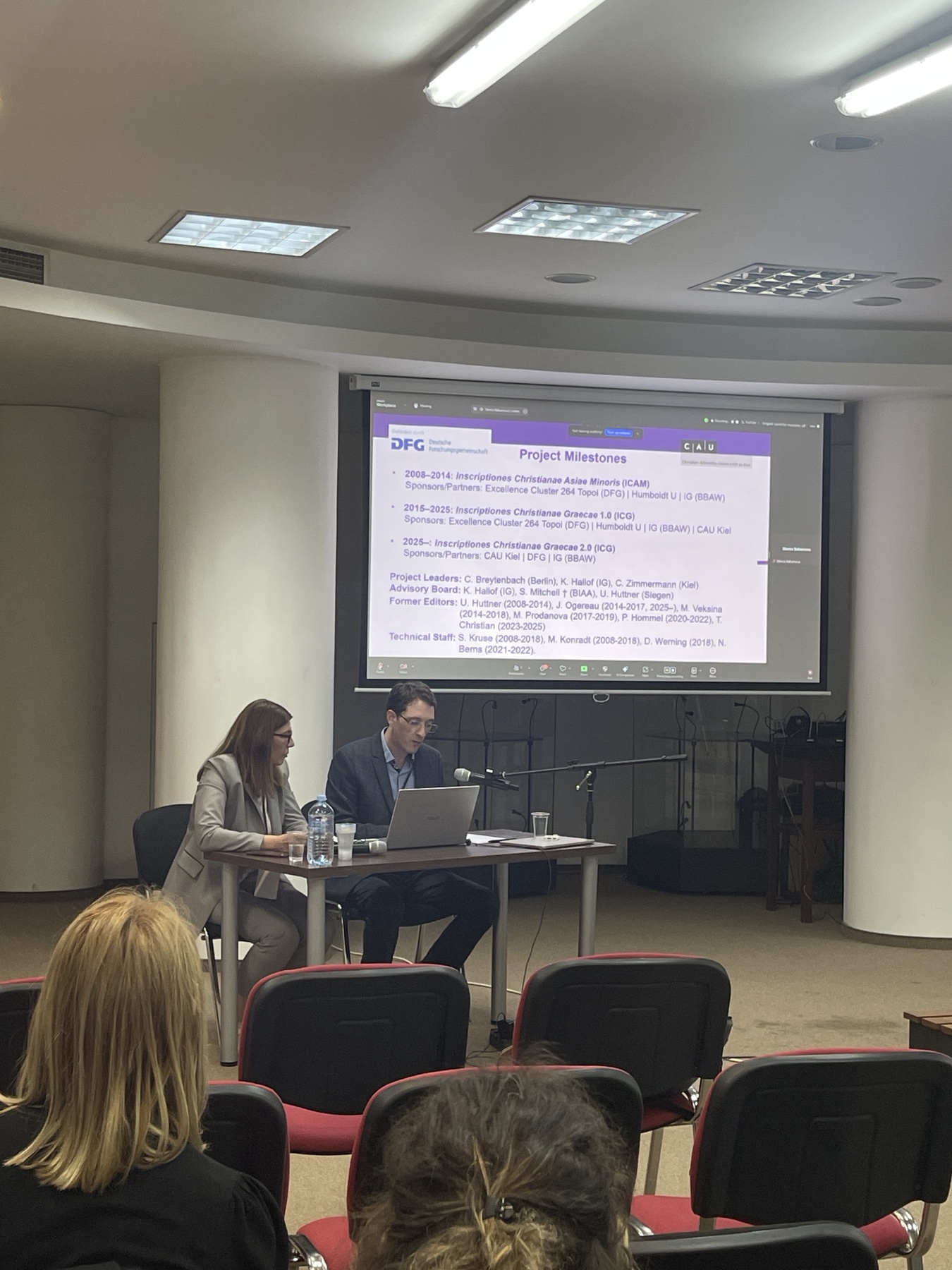
Julien Ogereau followed with insights from the Inscriptiones Christianae Graecae project, emphasizing best practices in building and maintaining epigraphic databases. His talk underscored how digital tools are reshaping the possibilities of research and access in the field.
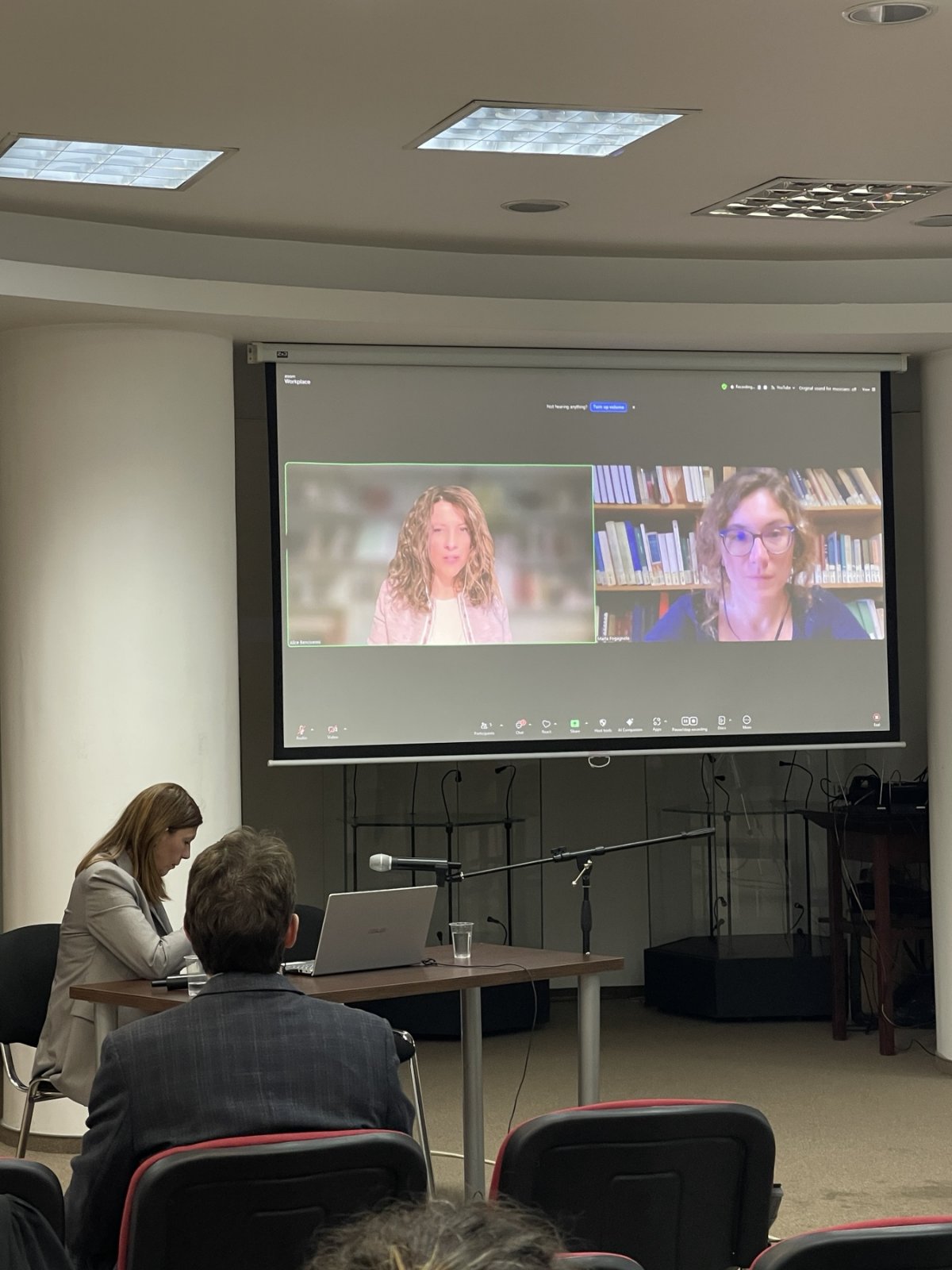
The ENCODE project, presented by Marta Fogagnolo and Alice Bencivenni, demonstrated how digital epigraphy is being integrated into educational frameworks. They introduced the project’s first online course on the #dariahTeach platform—an exciting milestone in bringing epigraphy to new audiences.
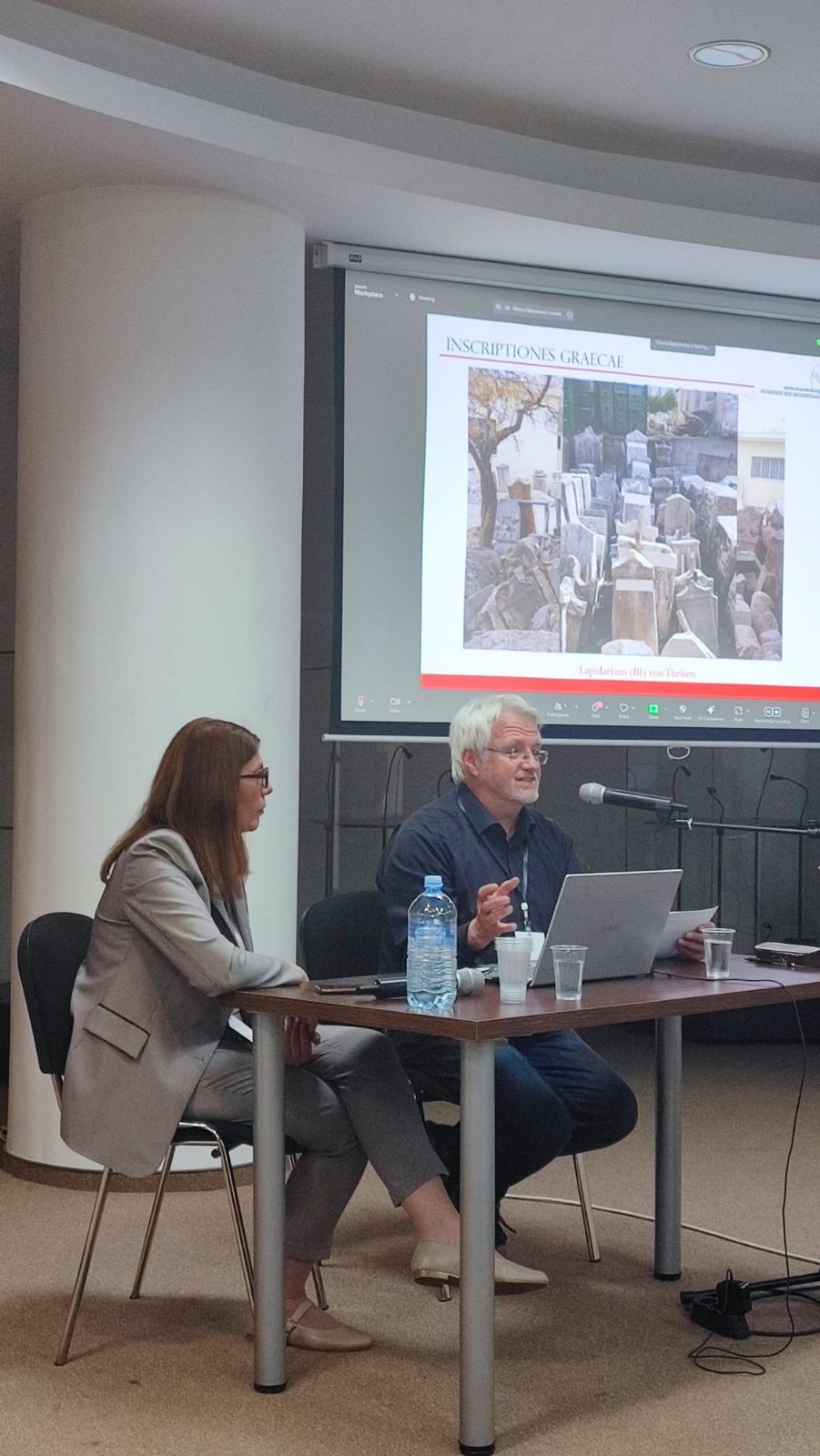
The day concluded with a screening and discussion led by Klaus Hallof, focusing on the making, management, and future of epigraphic corpora. It was an opportunity not only to reflect on the practical dimensions of epigraphy, but also to share experiences and deepen dialogue across disciplines.
Day 2: Inscriptions in the Field
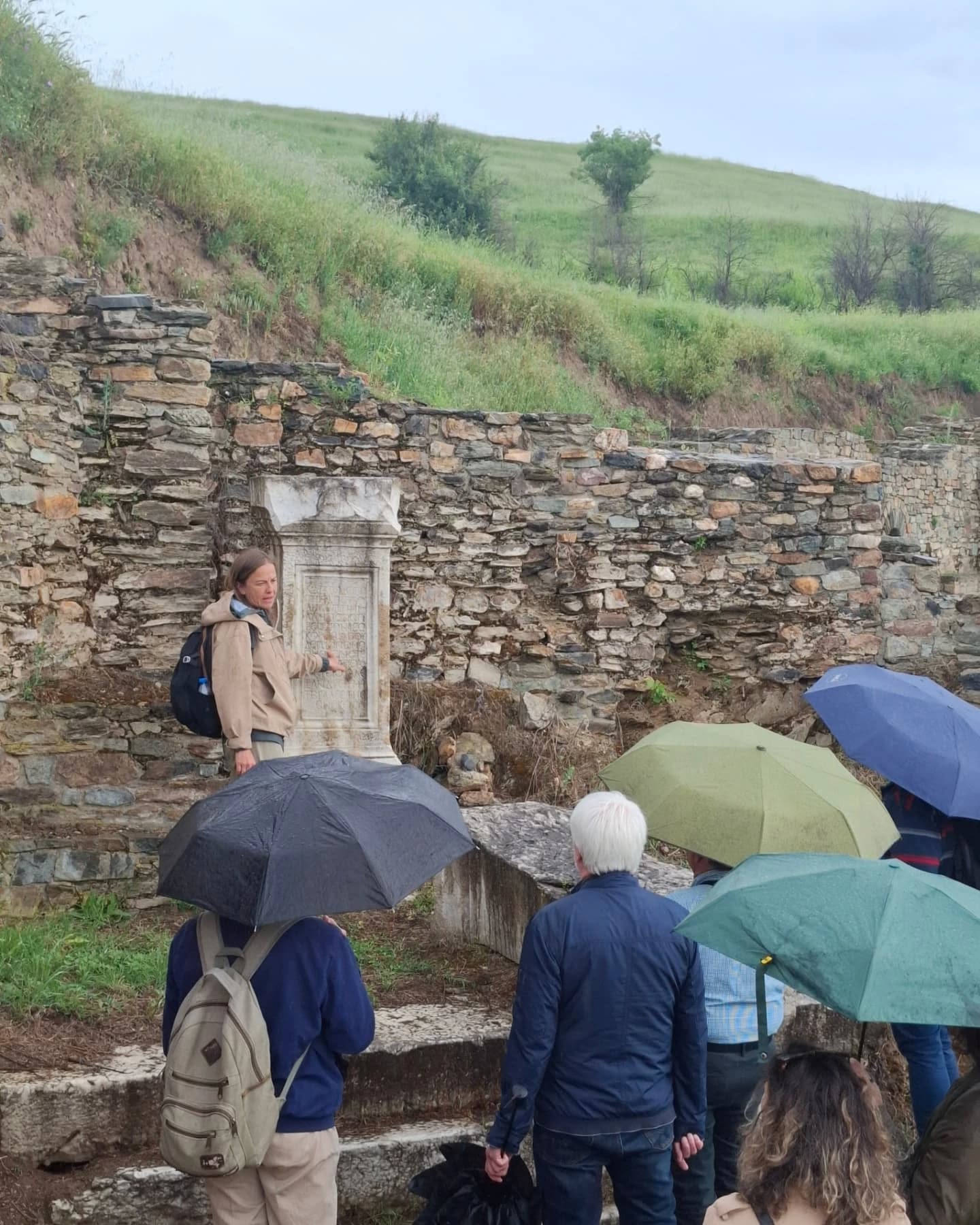
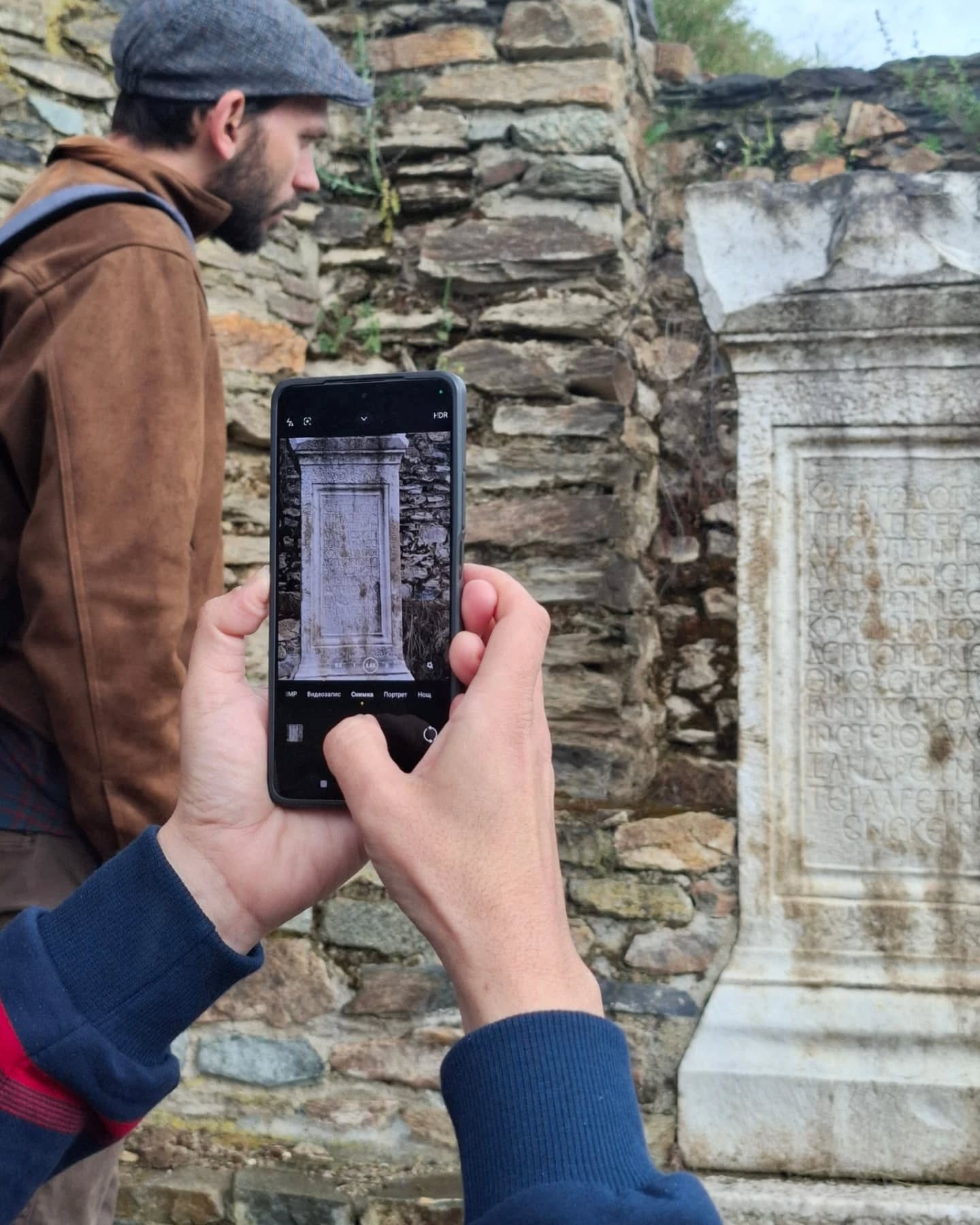
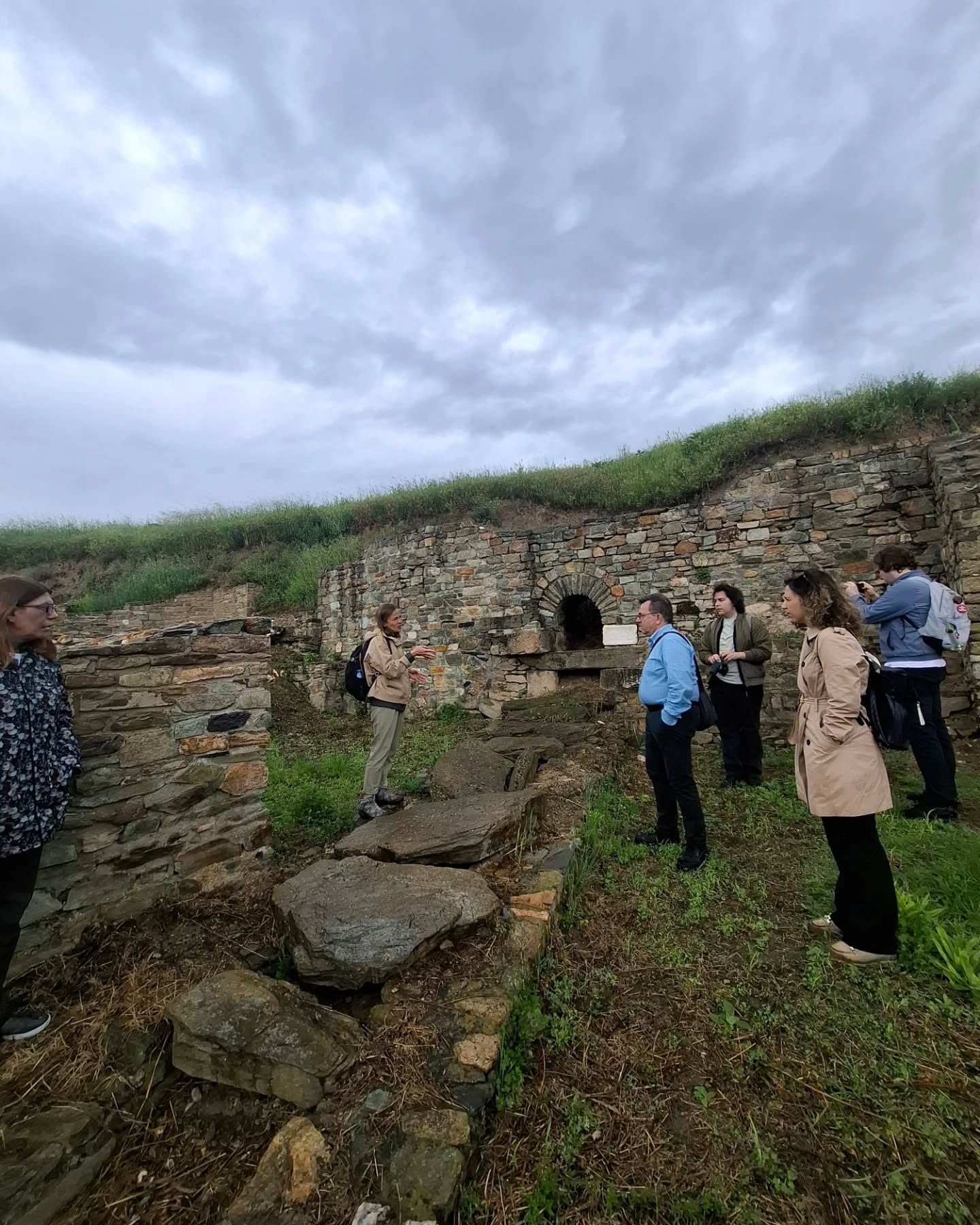
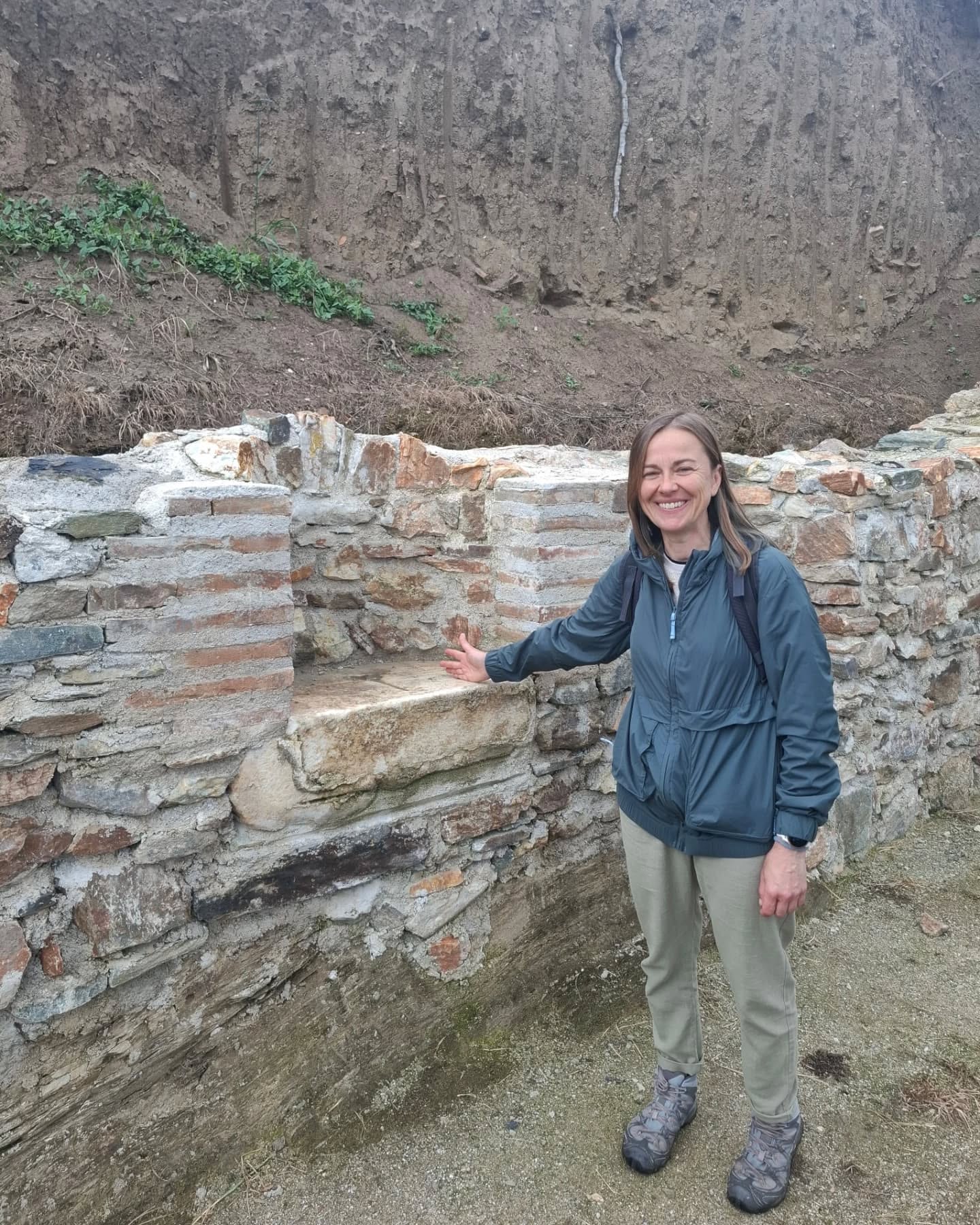
The second day took participants out of the city and into the landscapes of the Prilep region for a full day of exploration and hands-on learning. The morning began with a visit to the archaeological site of Stibera, where Olivija Jandreska led a guided tour through the ancient ruins. Her narration brought the stones to life, contextualizing monuments and inscriptions within the broader civic and religious fabric of the city.
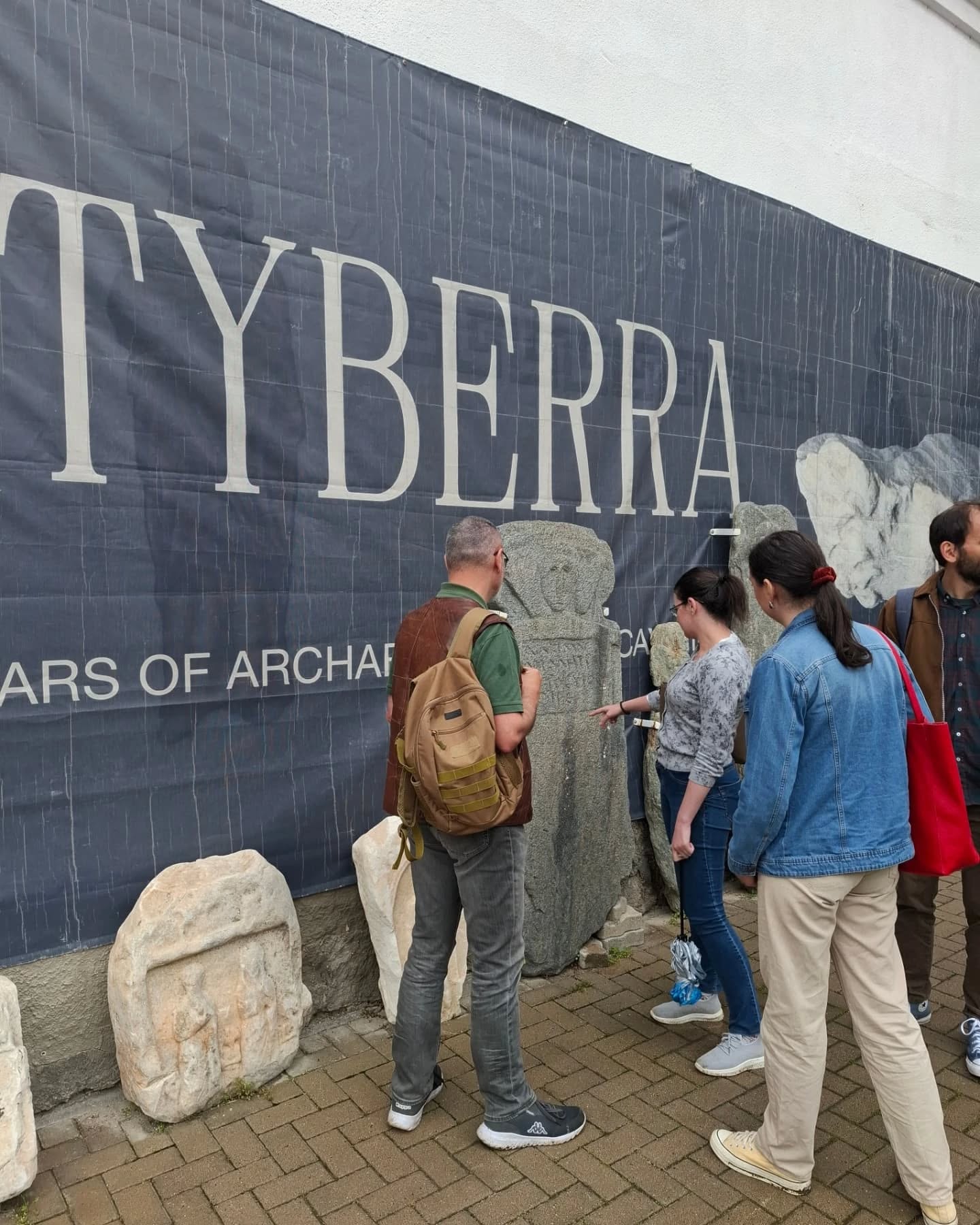
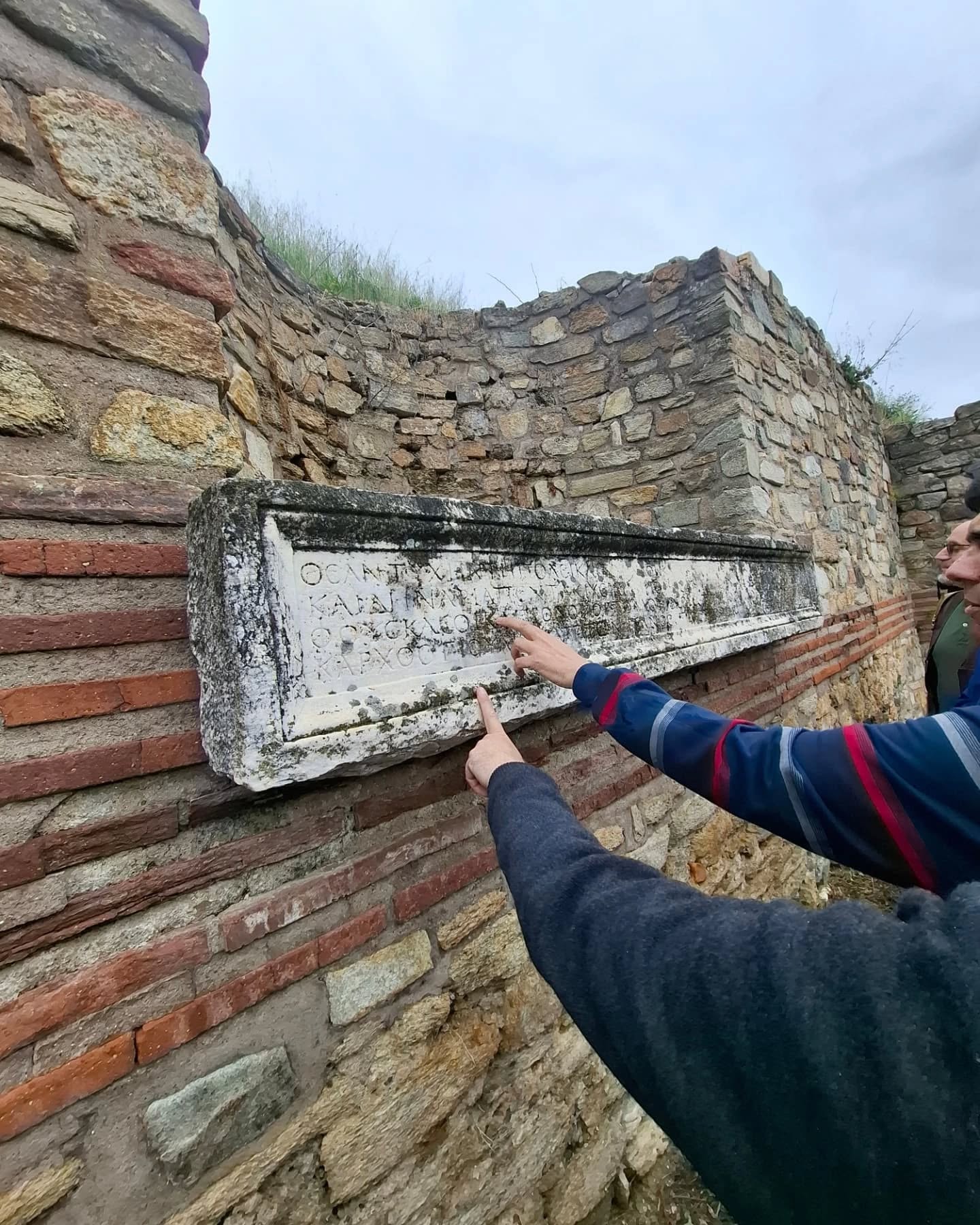
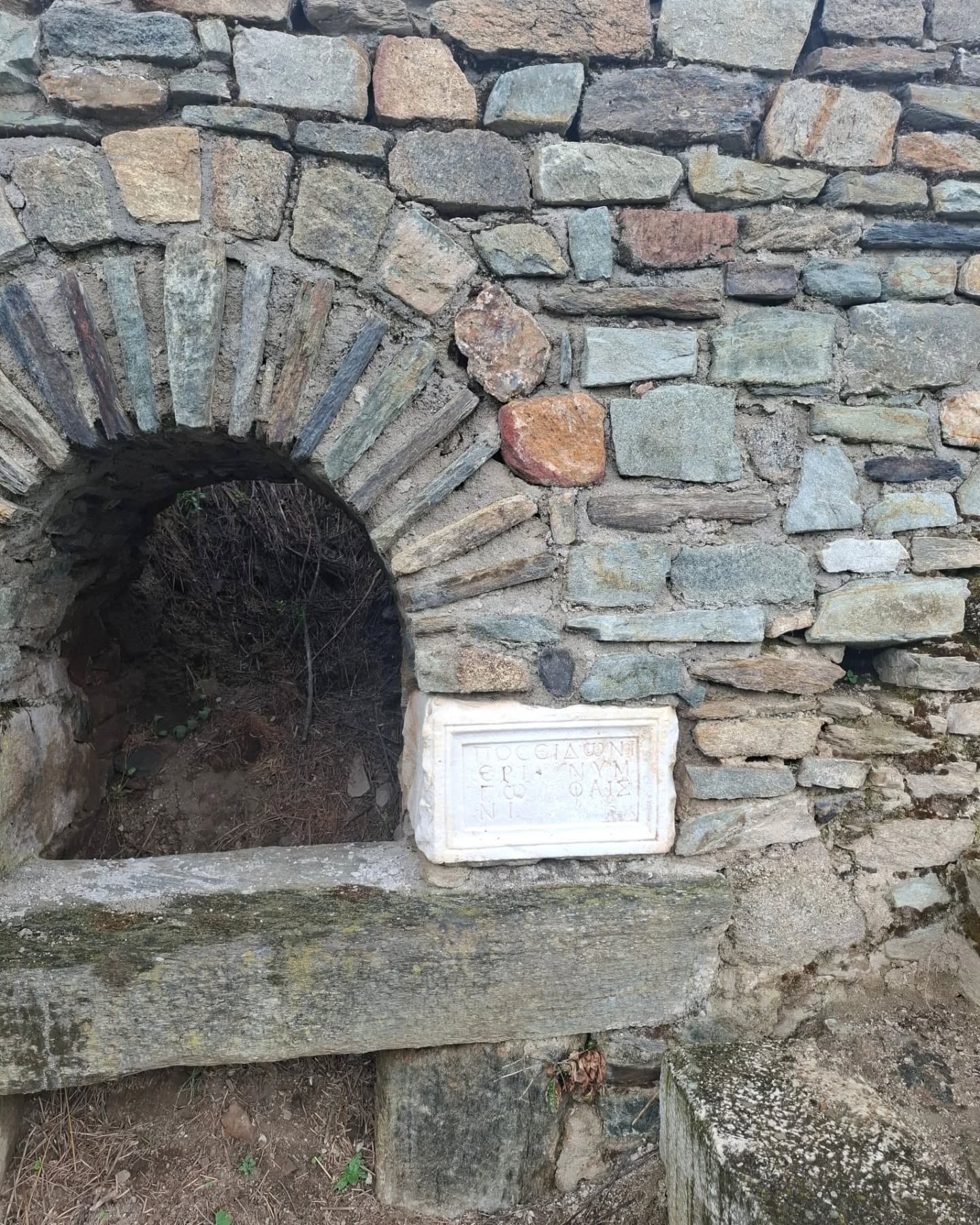
At Stibera, participants also took part in a practical workshop, engaging directly with the techniques of documenting and interpreting inscriptions in situ. This tactile experience allowed for a deeper appreciation of the complexities involved in epigraphic work, from reading worn surfaces to understanding the materials and settings of ancient texts.
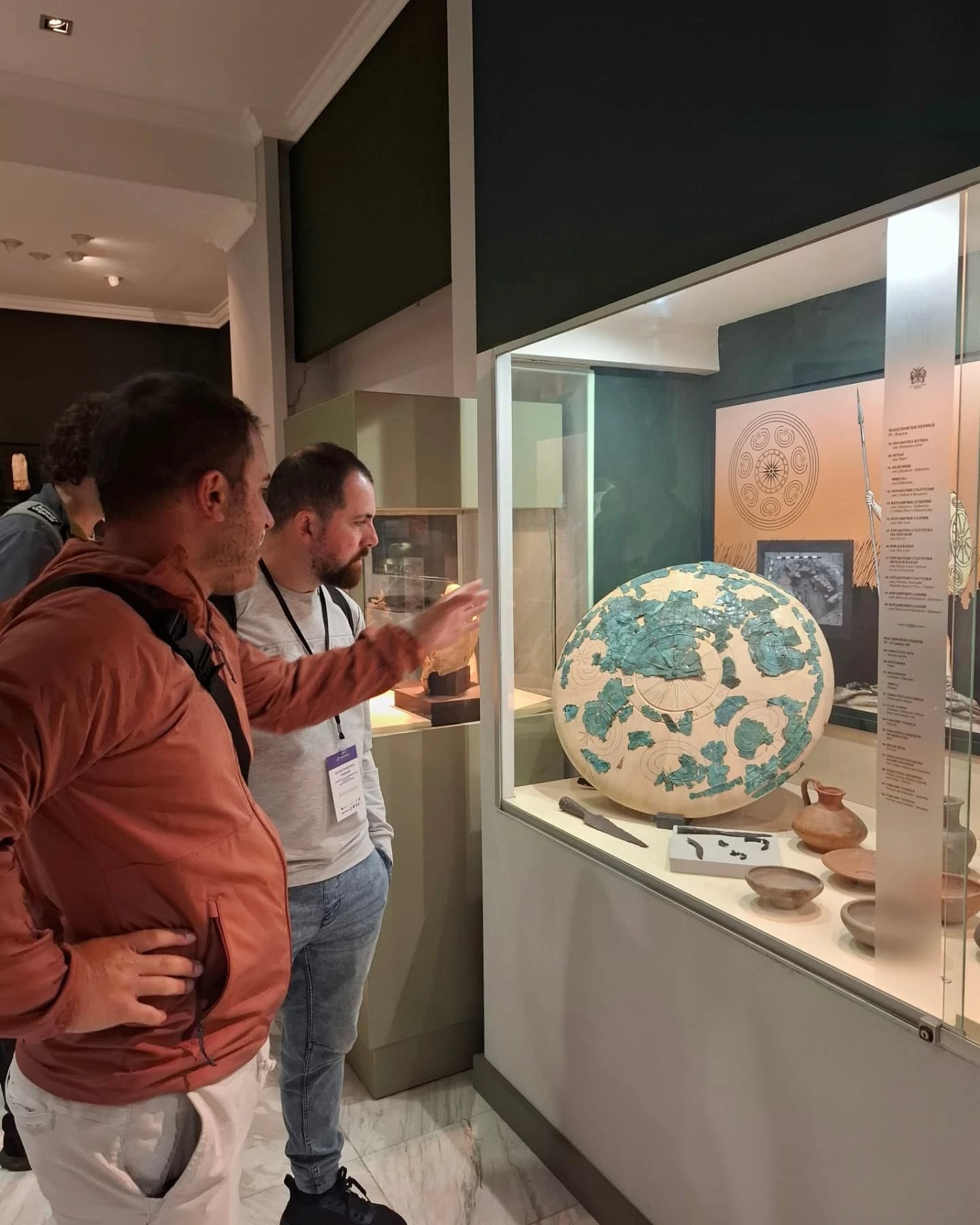
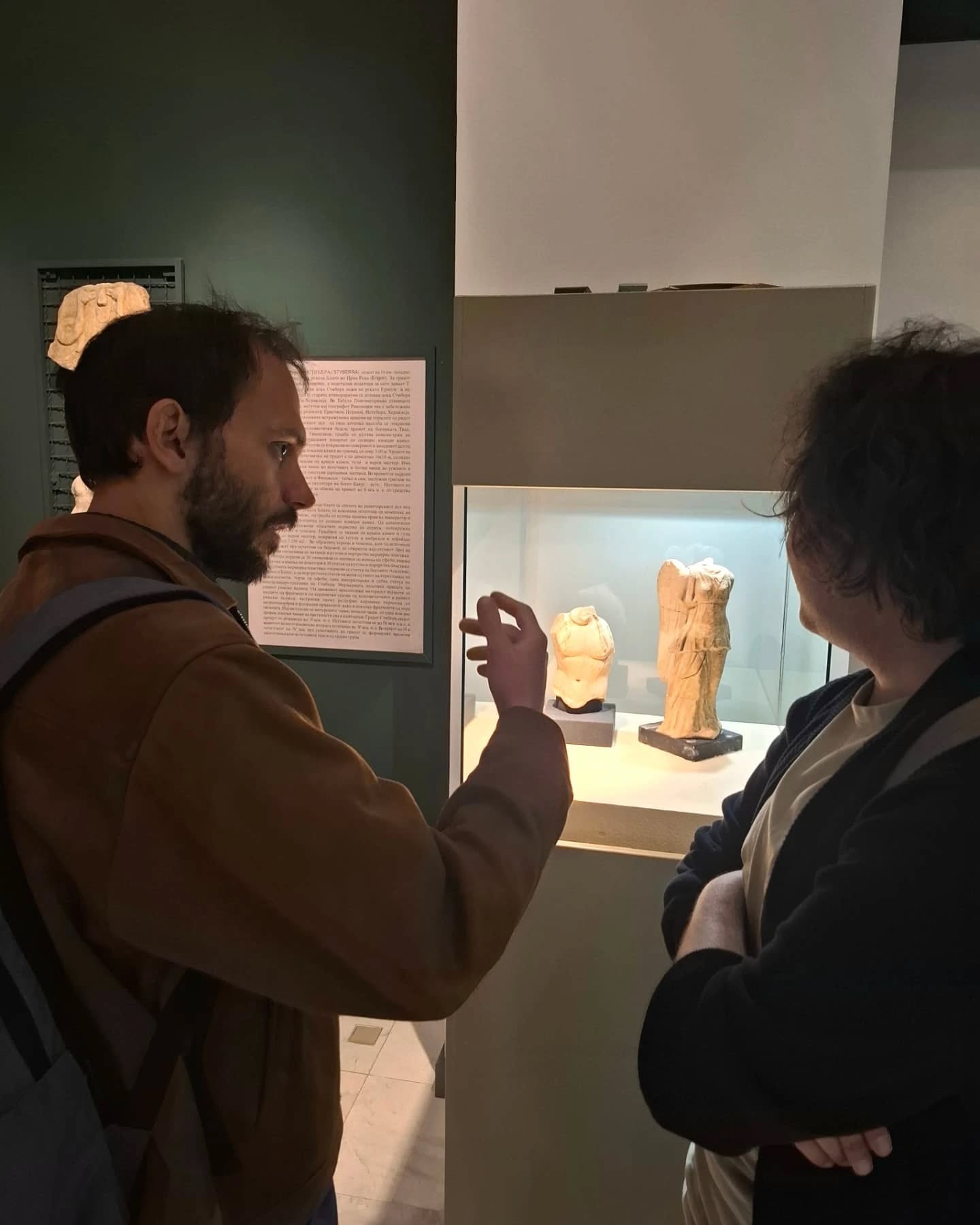
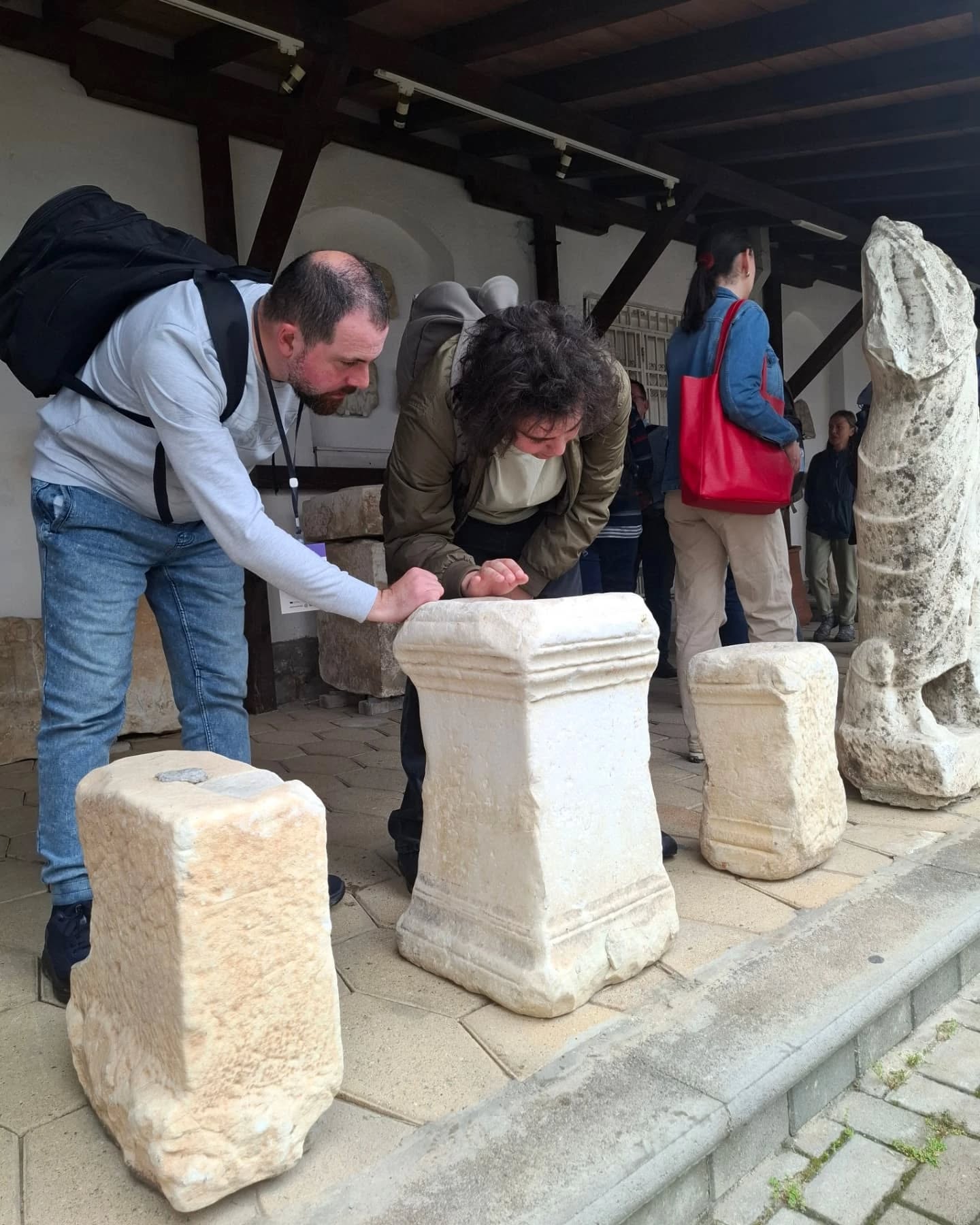
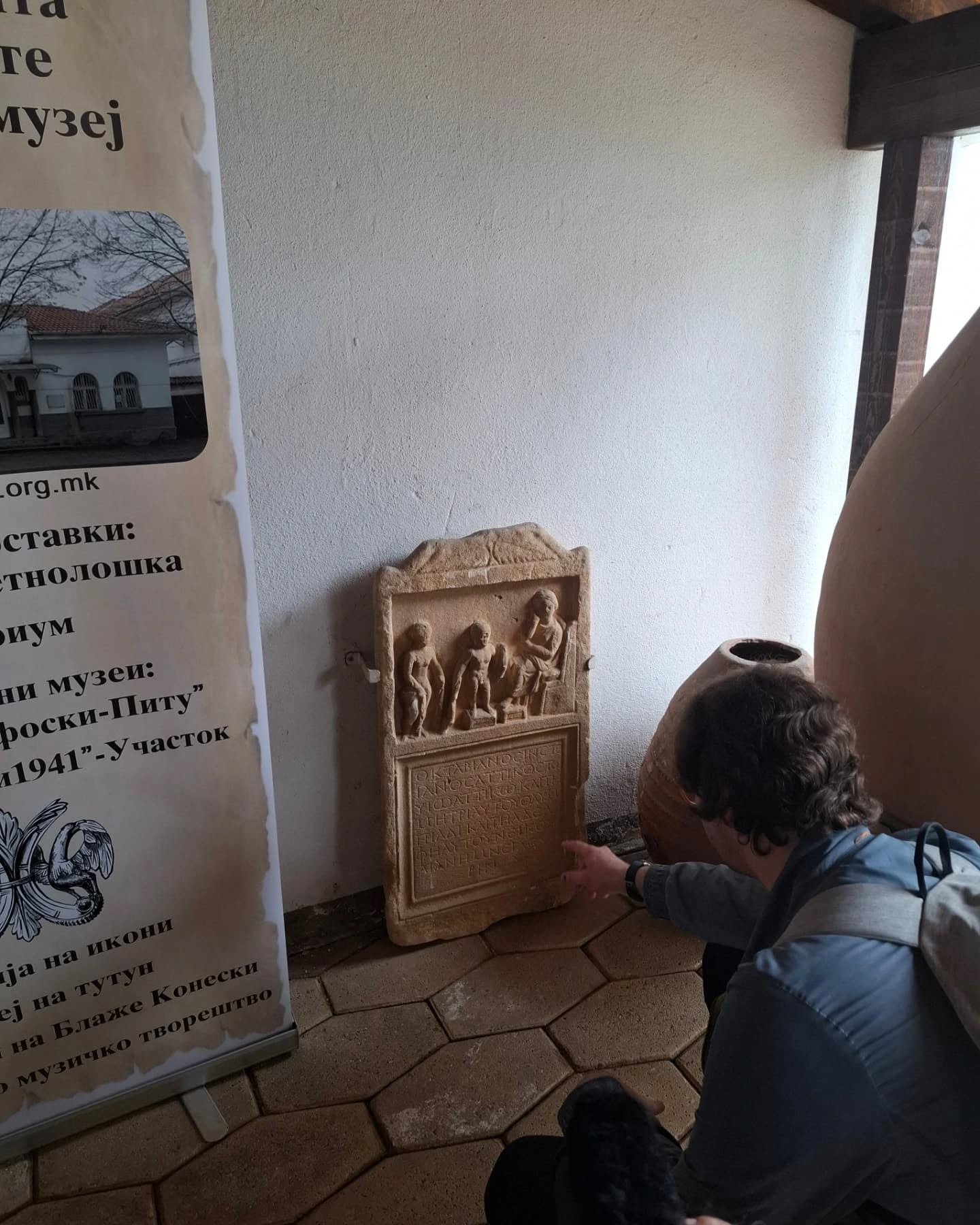
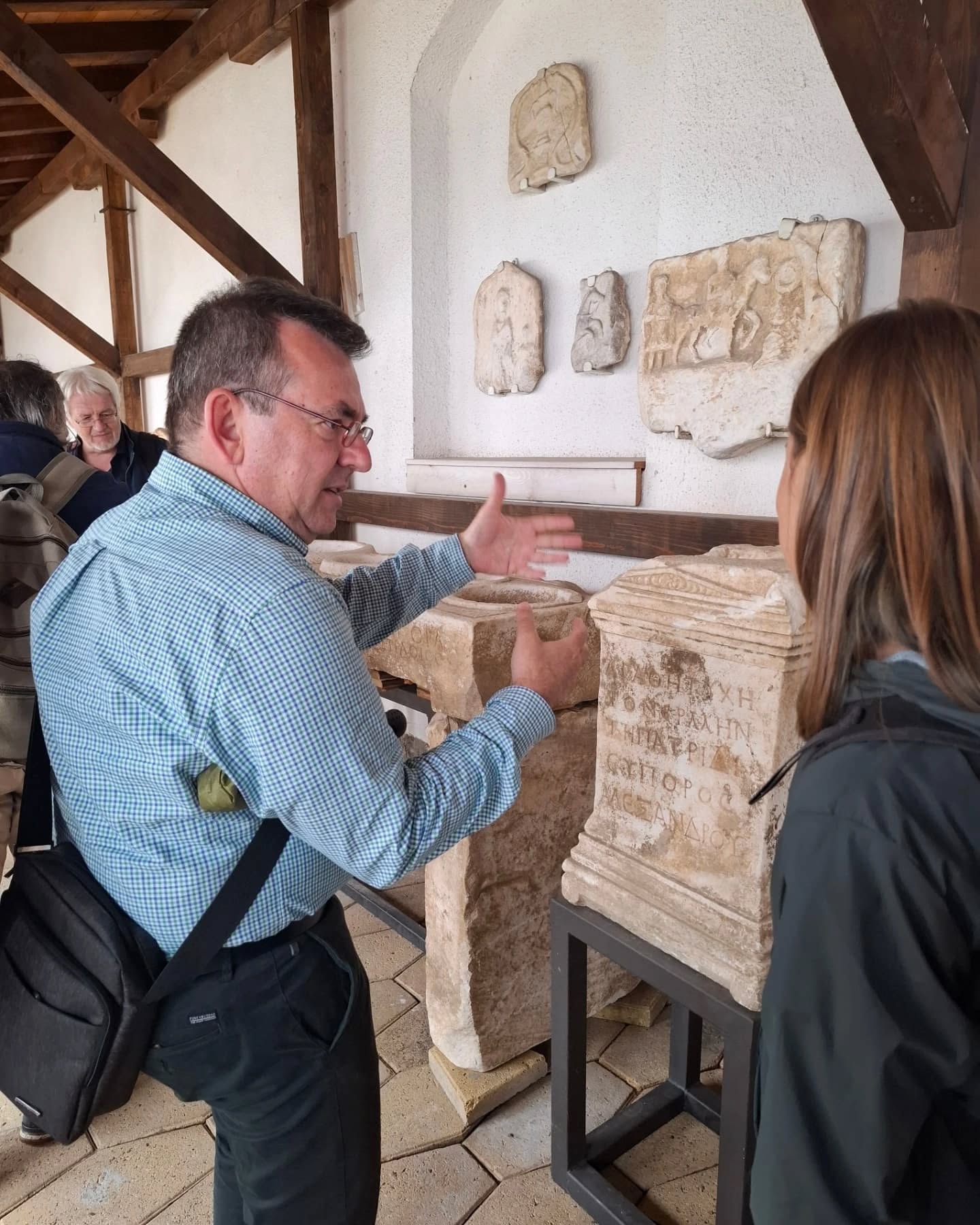
The journey continued to the Museum of Prilep, where participants explored its rich epigraphic collections. The visit highlighted the depth of local heritage and the museum’s role in preserving and presenting inscriptions that speak to centuries of cultural transformation.
Day 3: Stories and Digital Tools
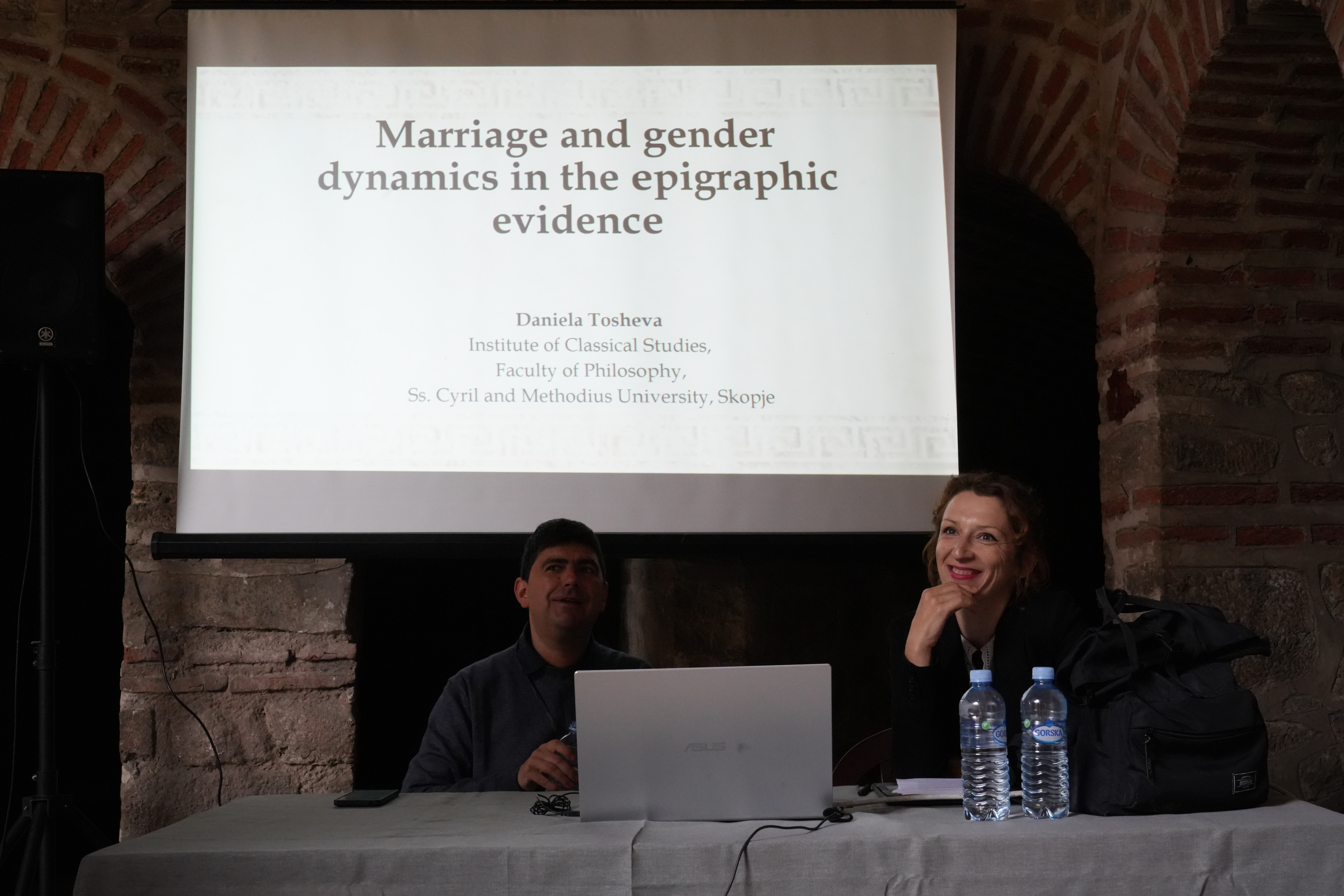
The final day of the workshop brought a return to the museum’s conference space, but with no shortage of fresh perspectives and bold ideas. The morning session opened with Daniela Toševa, who examined gender, marriage, and family dynamics in the late Roman world through inscriptions and funerary iconography. Her analysis revealed the human stories behind the stones—stories of status, affection, and social expectation.
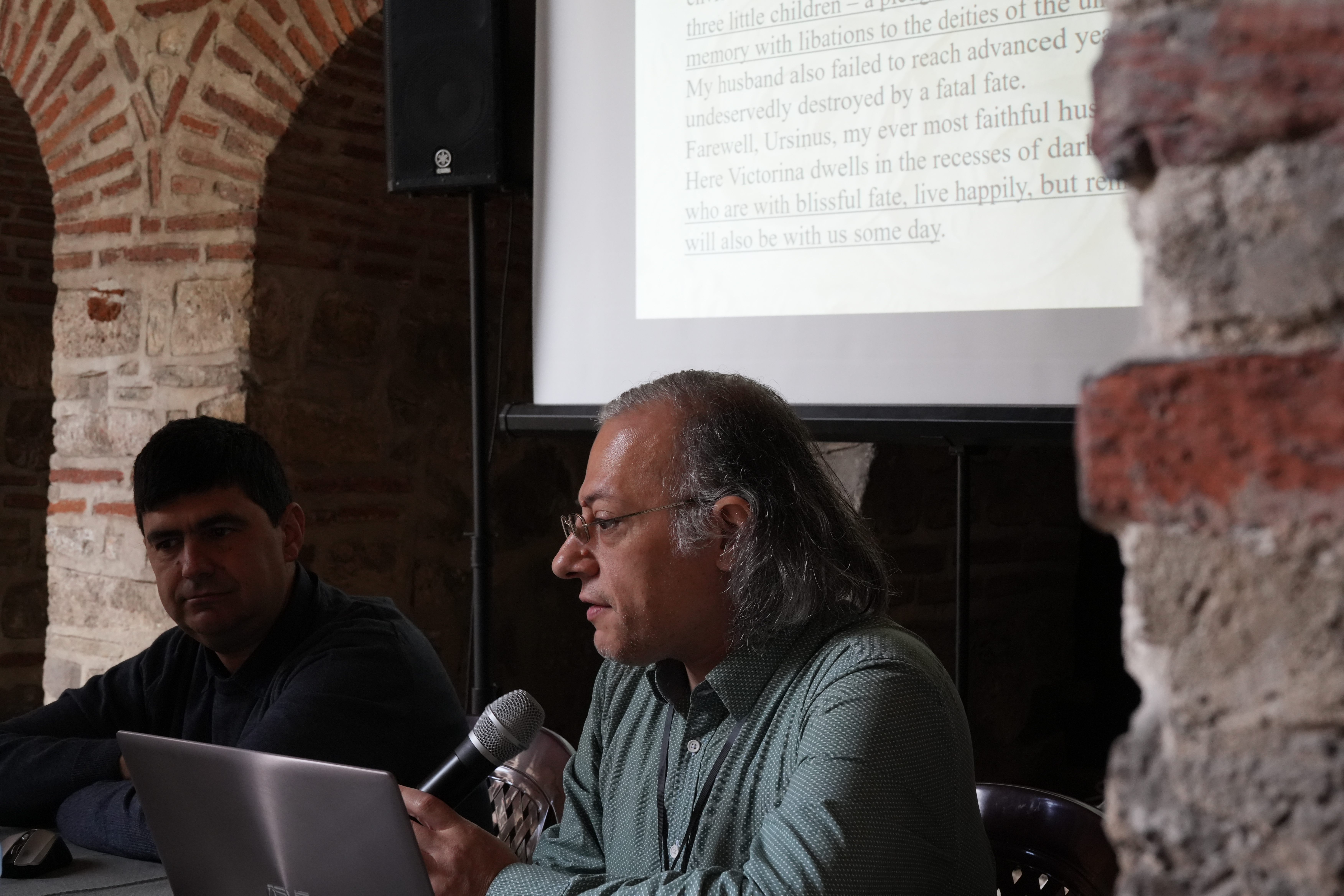
Nikolay Sharankov followed with a poetic exploration of verse inscriptions, illustrating how their emotional and aesthetic dimensions continue to resonate today. His talk invited the audience to view ancient texts not just as data, but as expressions of personal and communal memory.
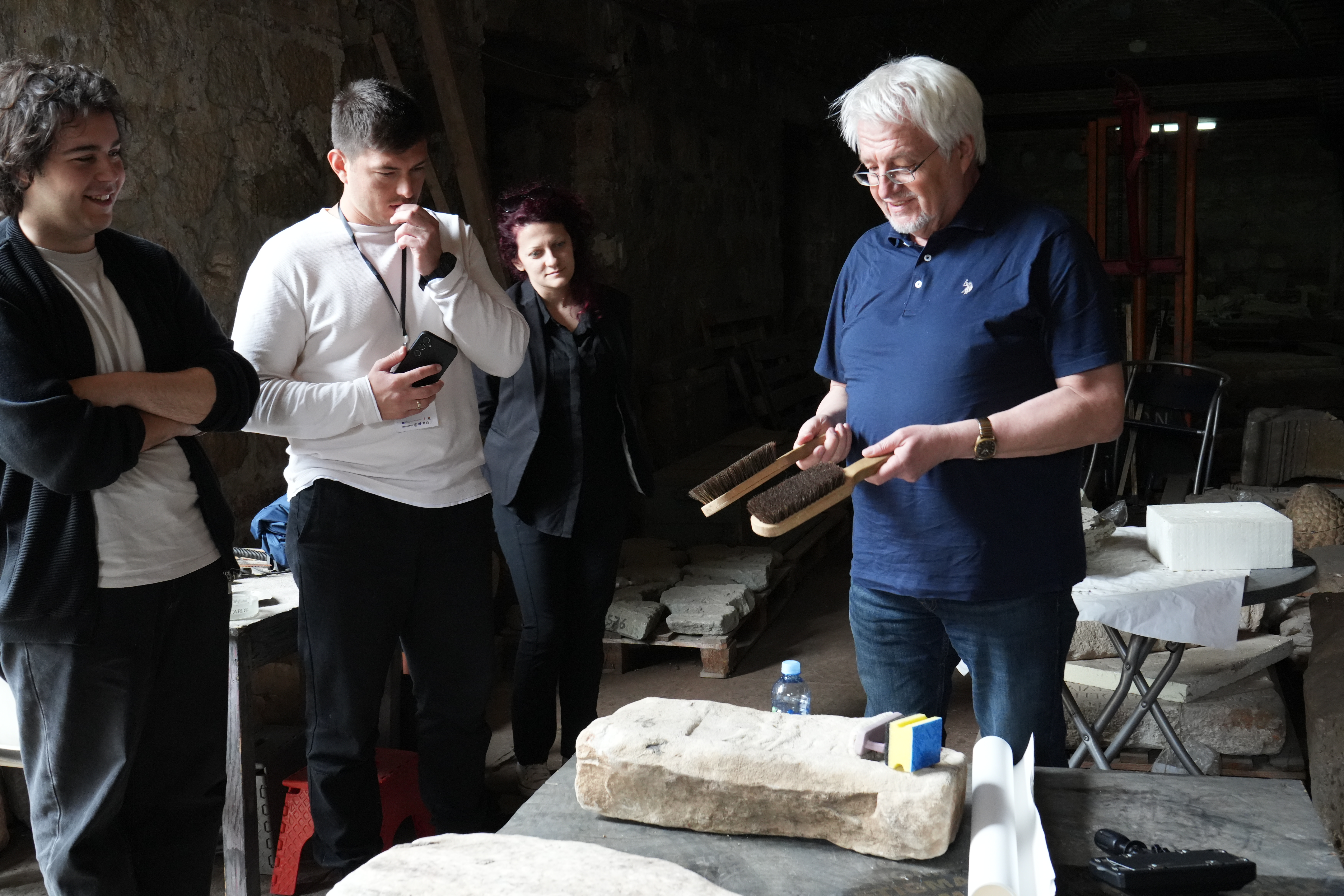
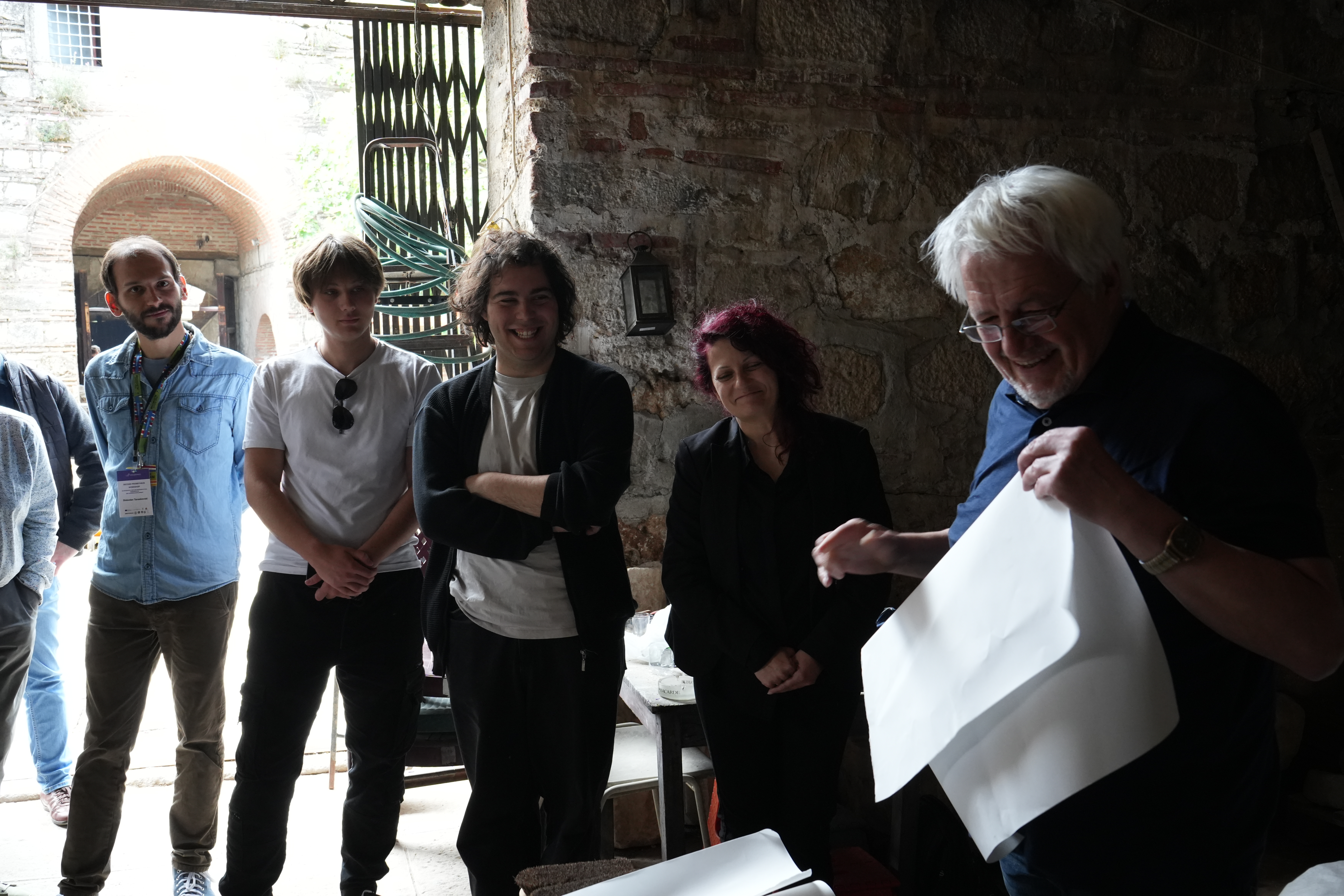
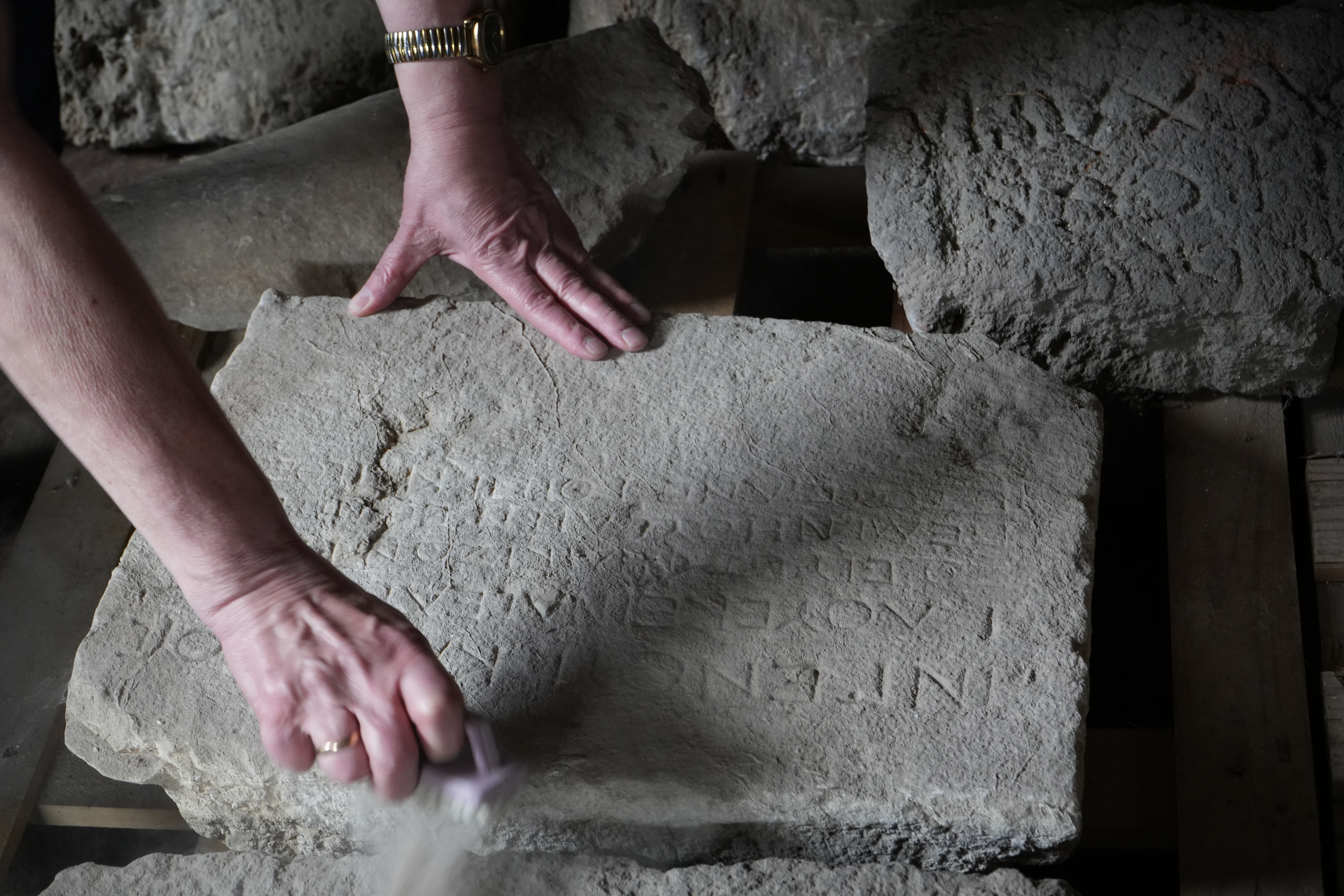
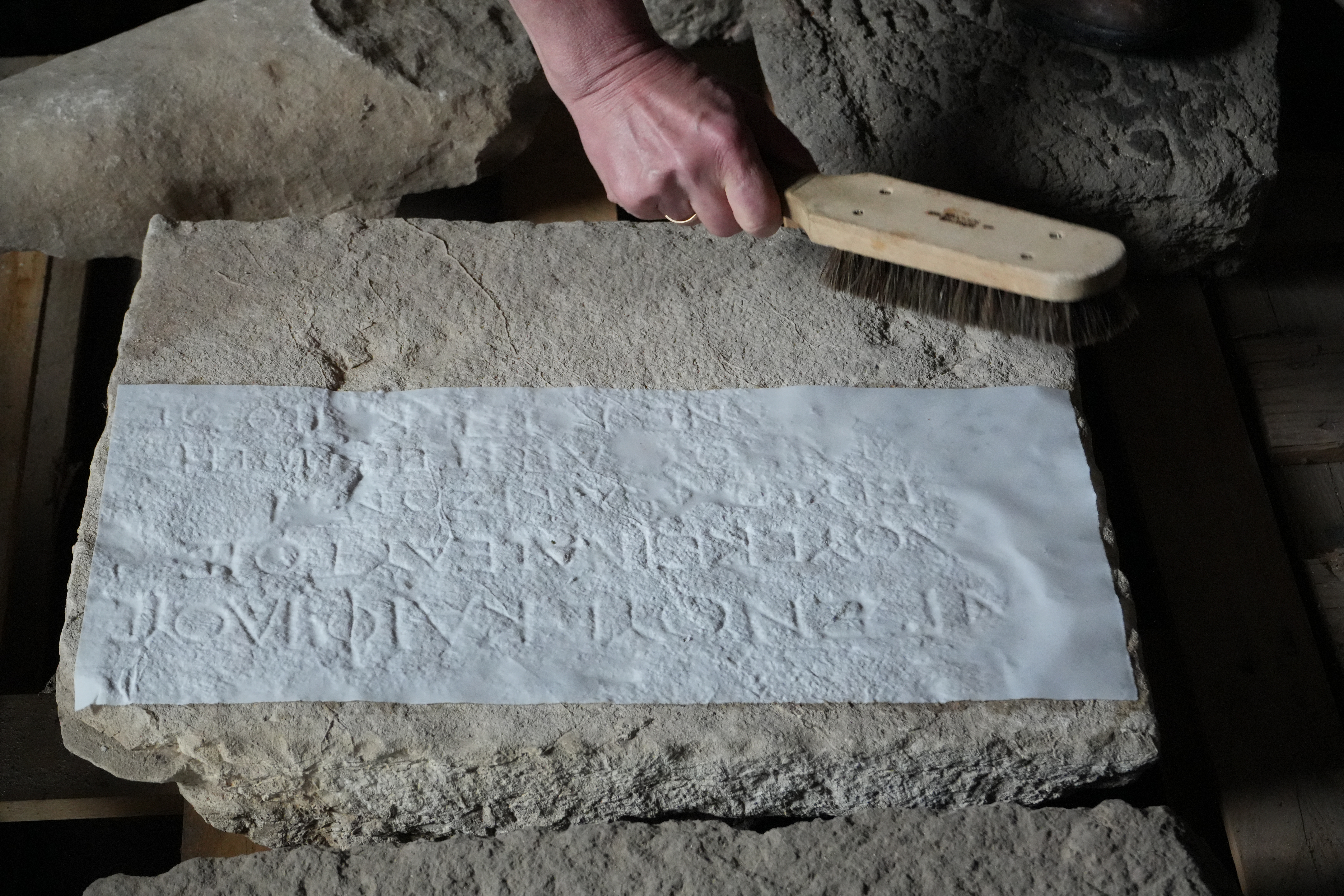
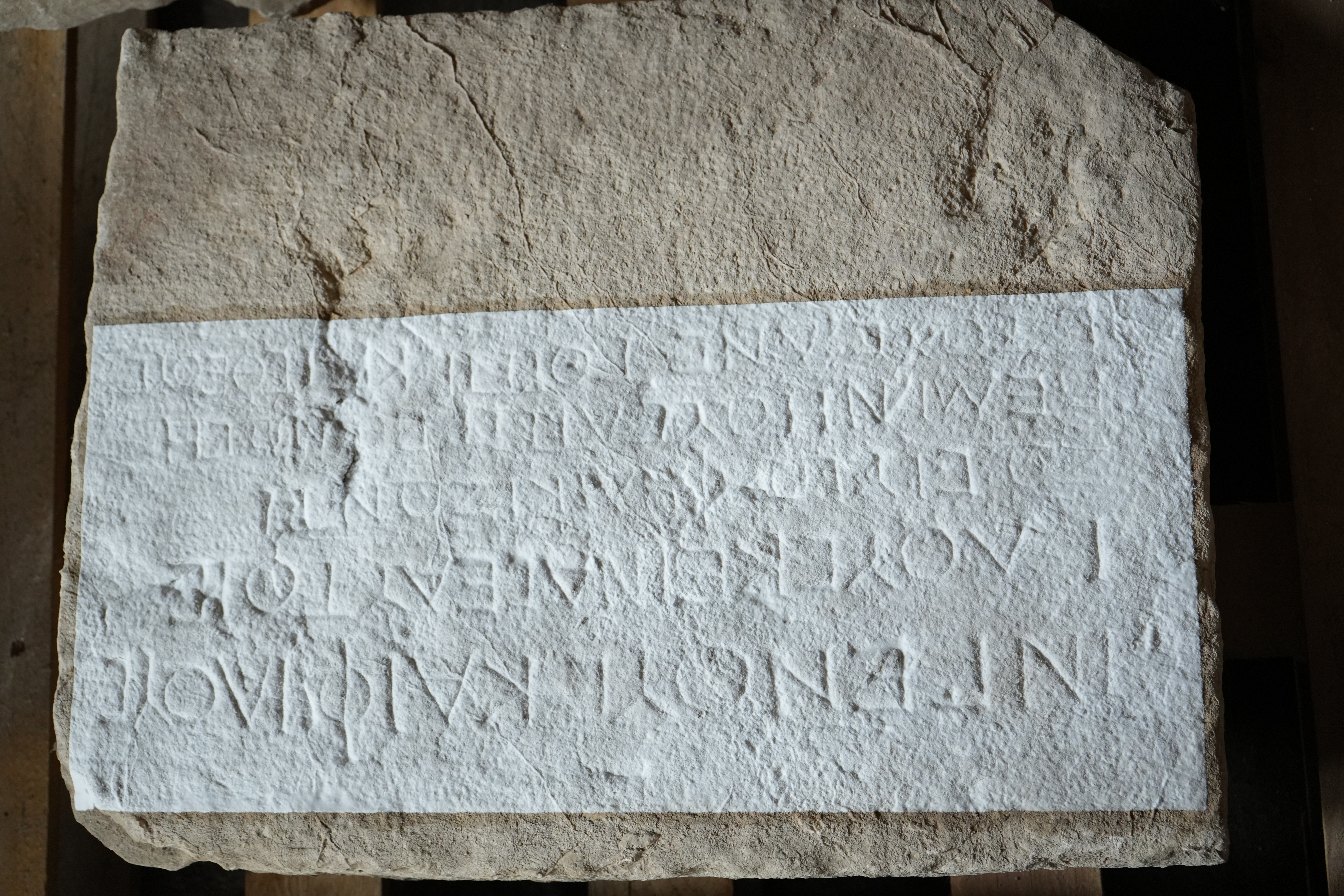
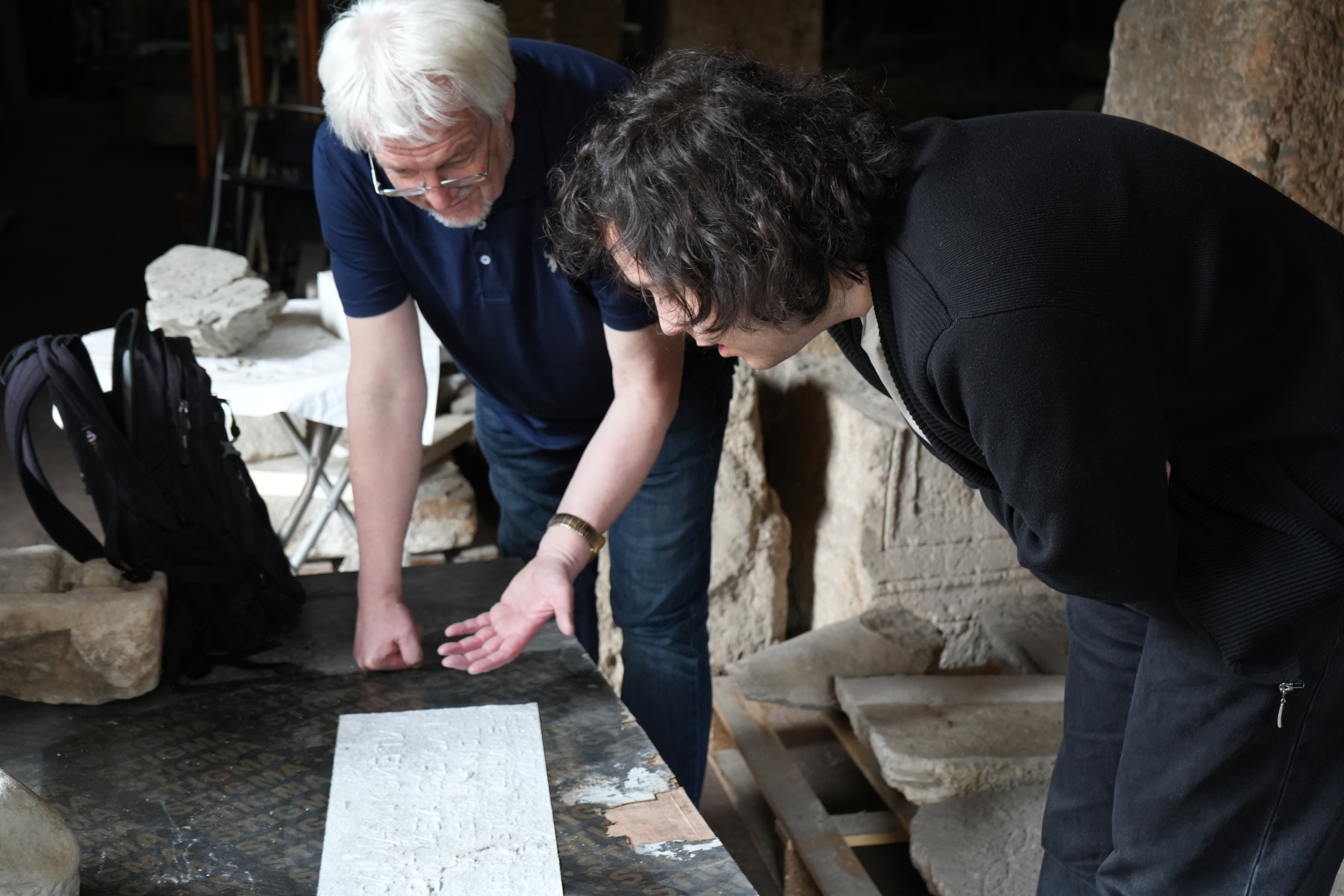
During the break, participants gathered around Klaus Hallof for a hands-on demonstration of how to make squeezes—paper molds of inscriptions—a traditional but still invaluable technique in epigraphic documentation.
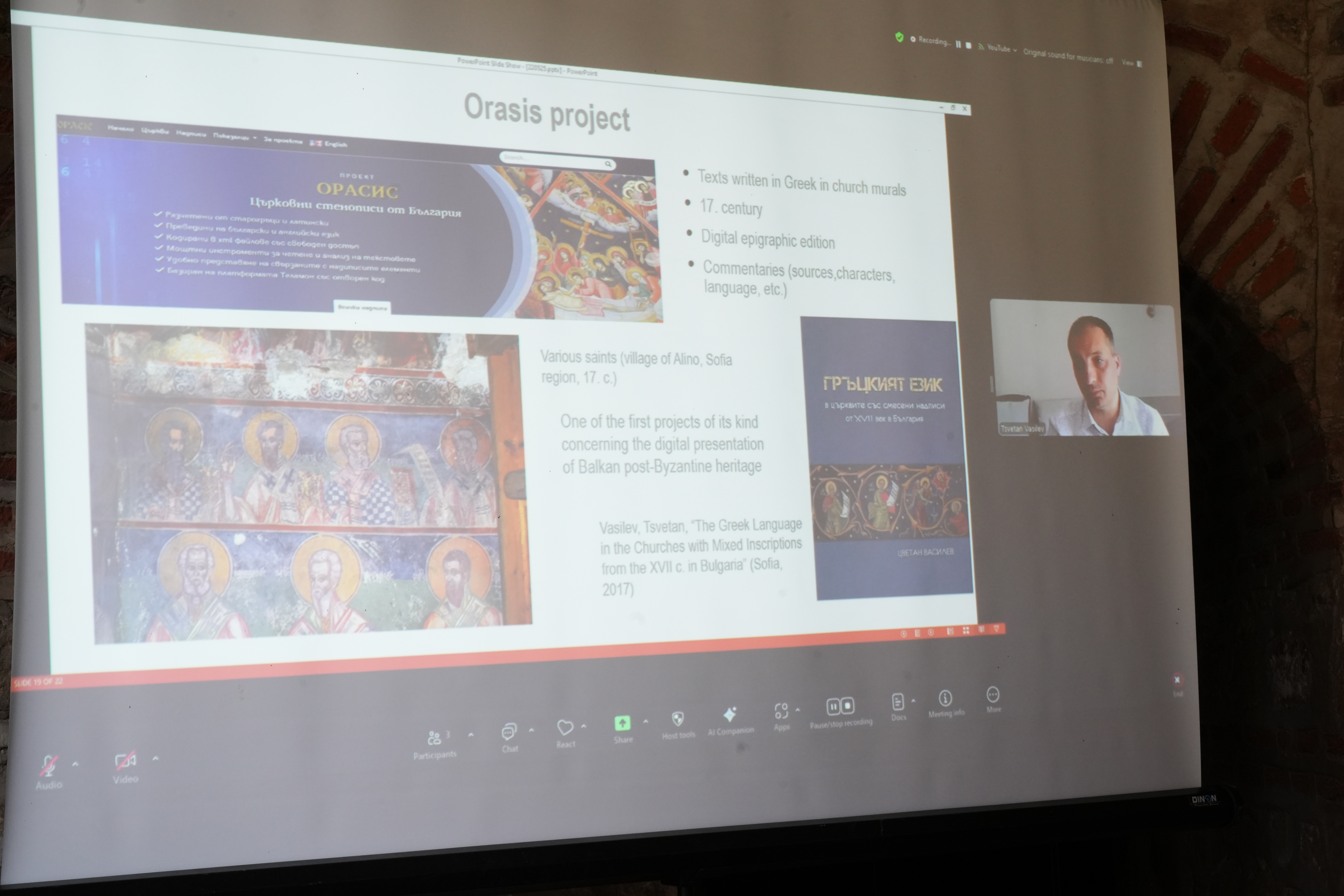
Tsvetan Vasilev offered a comparative approach to studying post-Byzantine Christian inscriptions, drawing on both philology and interdisciplinary methods. His work underscored the diversity and continuity of inscriptional traditions well beyond antiquity.
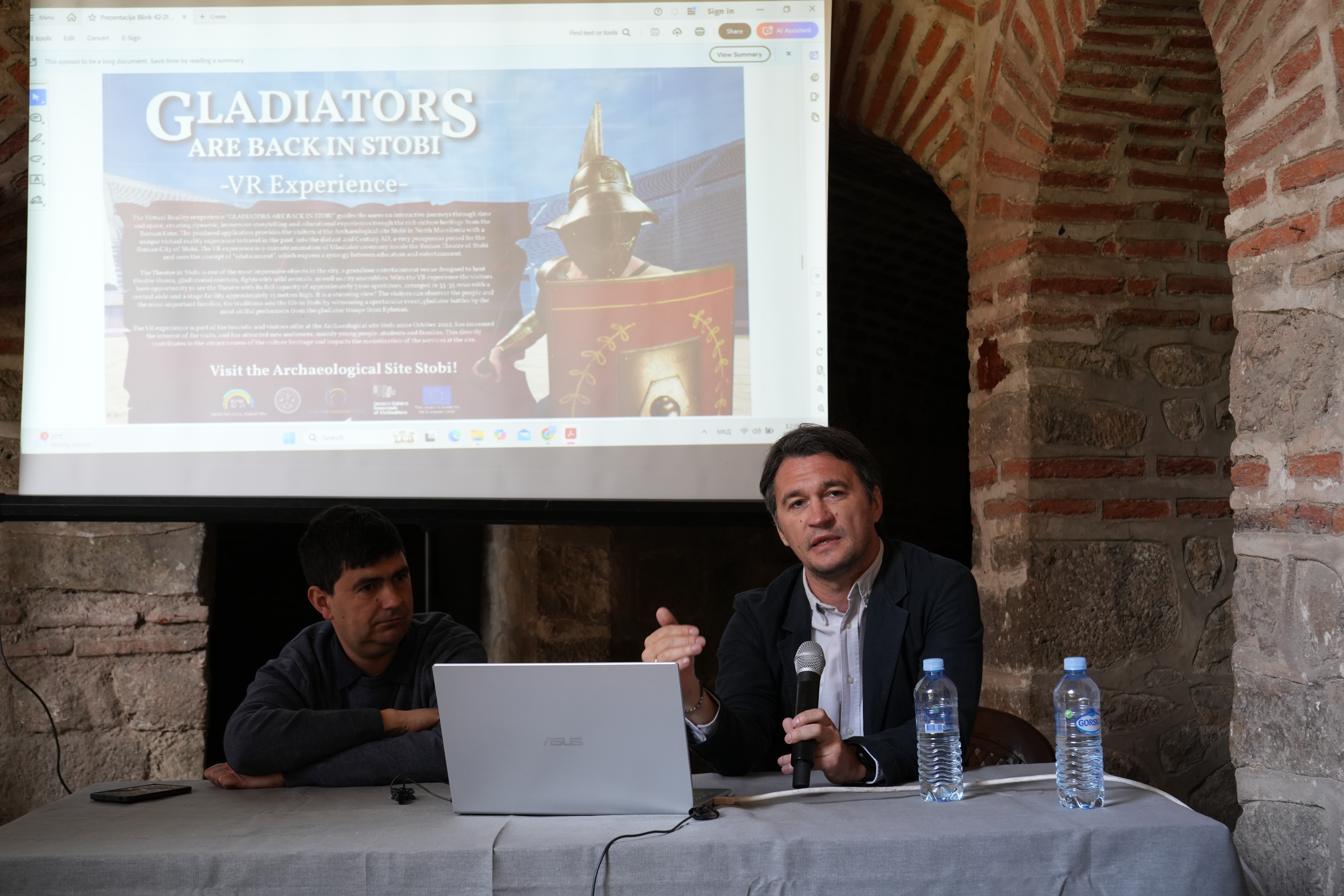
Rounding out the morning, Milan Tančeski presented strategies for audience development in the cultural heritage sector, sharing practical advice on how to engage communities and build meaningful connections with the past.
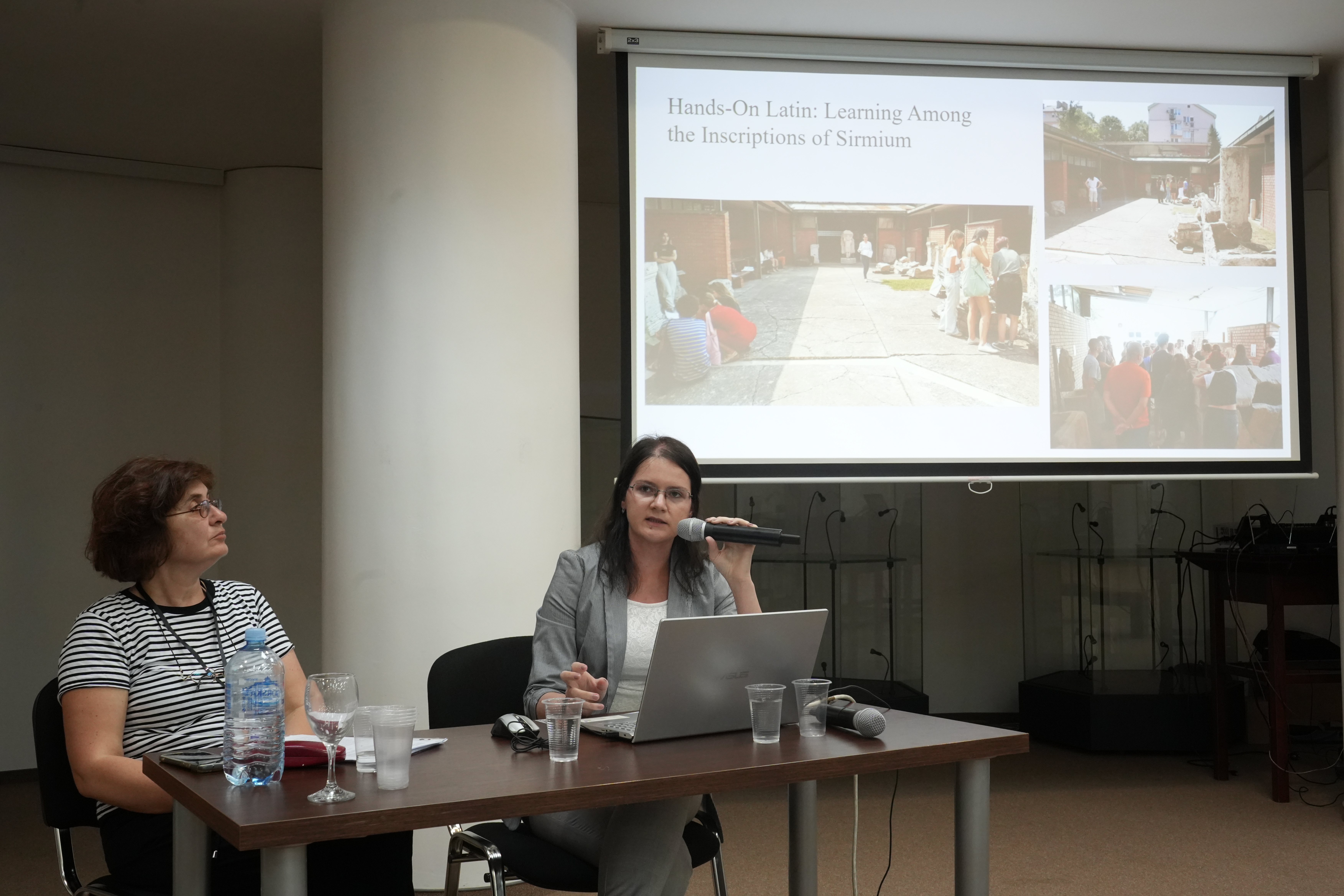
The afternoon sessions were equally forward-looking. Jelena Vukojević presented a dynamic, student-centered approach to teaching Latin through inscriptions, showing how epigraphy can transform language learning into a vivid and contextual experience.
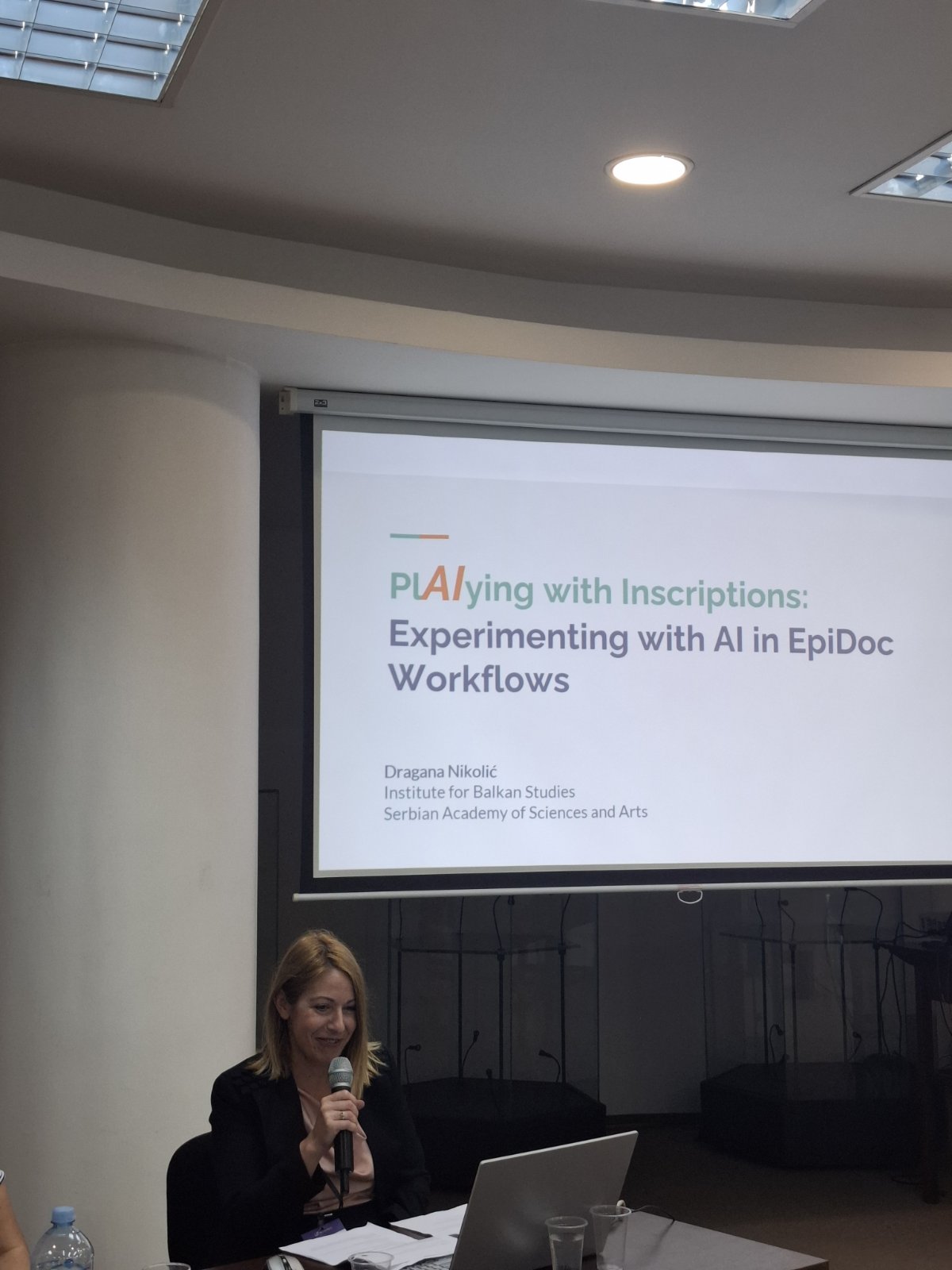
Dragana Nikolić introduced experimental uses of AI in EpiDoc workflows, including automated markup and metadata generation. While acknowledging the promise of such tools, she emphasized the importance of critical human oversight.
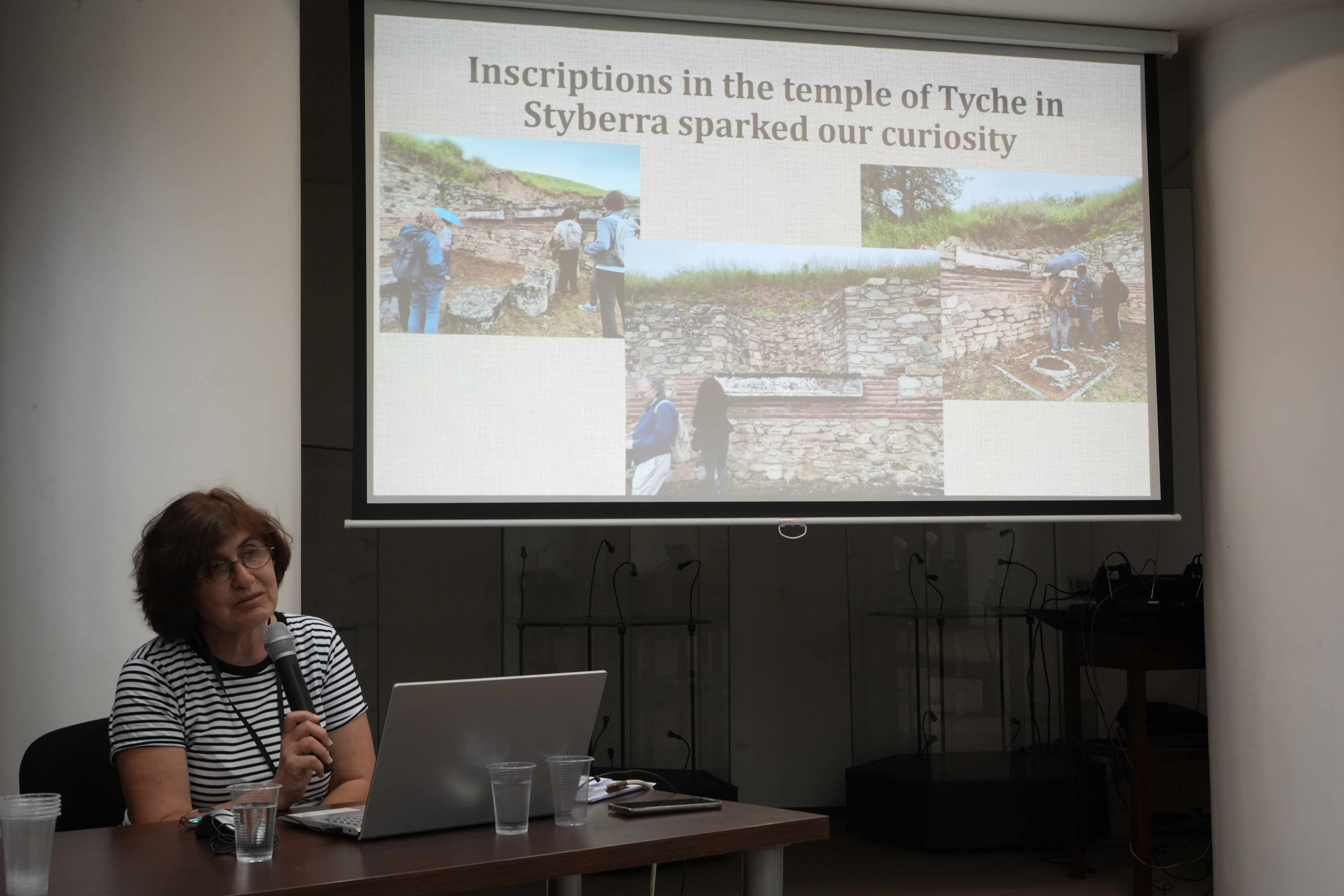
Elena Džukeska brought a pedagogical perspective, advocating for curiosity-driven learning in epigraphy education. Her talk highlighted the power of questions as catalysts for deeper engagement.
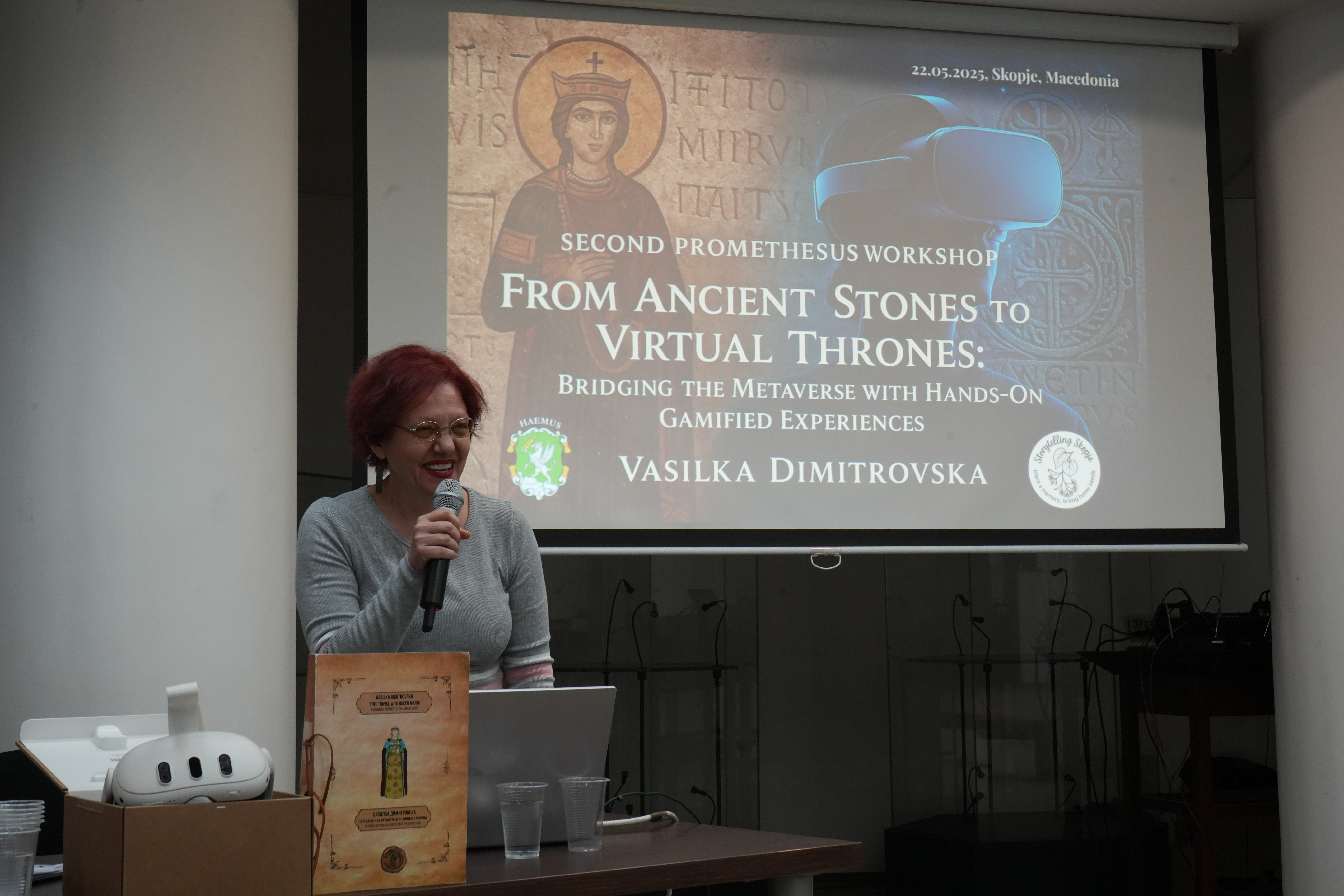
Finally, Vasilka Dimitrovska returned to guide participants through a journey into the metaverse. Using VR and gamified platforms, she demonstrated how epigraphic research can be translated into immersive digital experiences, presenting the SheLeadersVR project as an example of what happens when heritage and technology intersect creatively.
Exploring Scupi
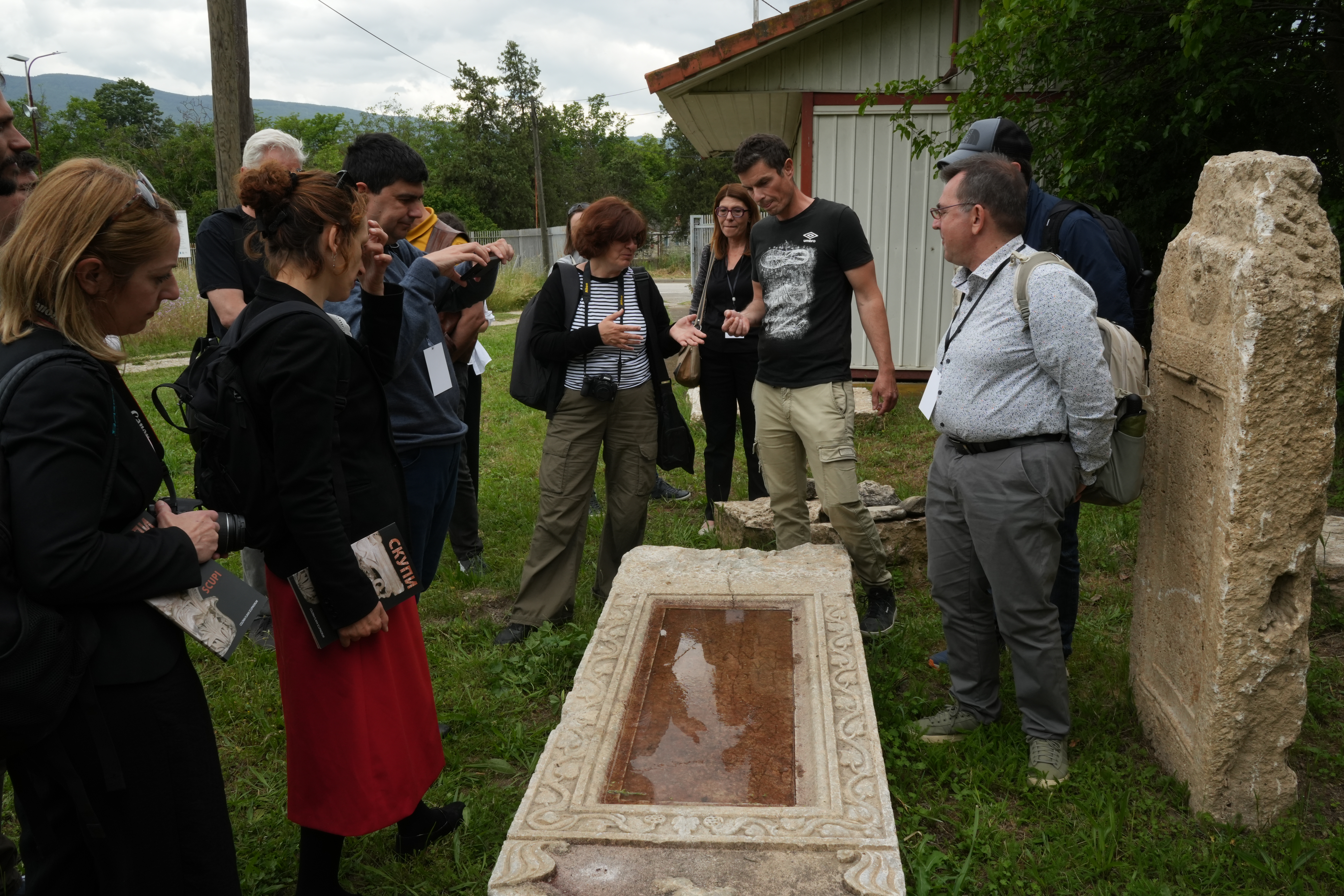
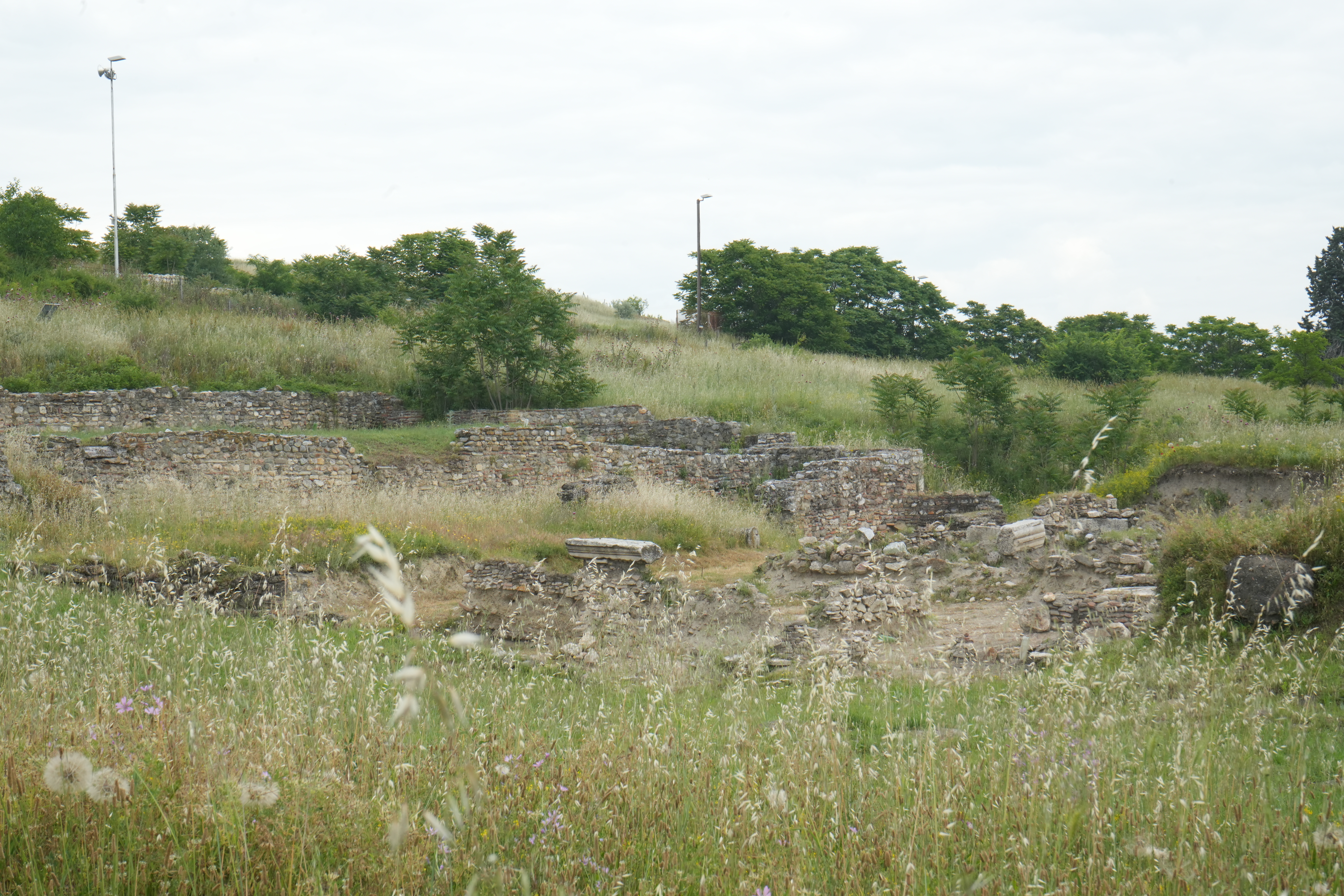
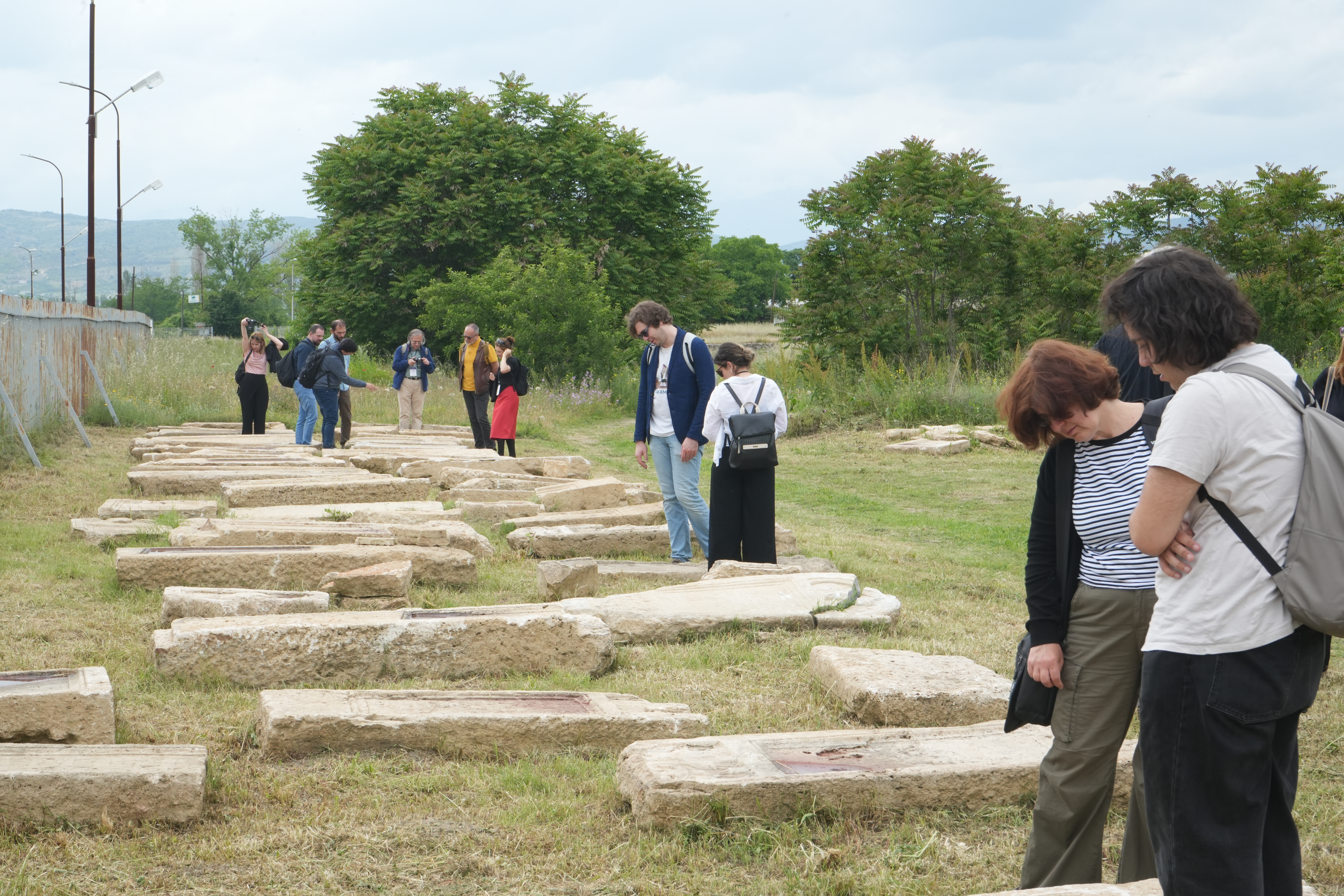
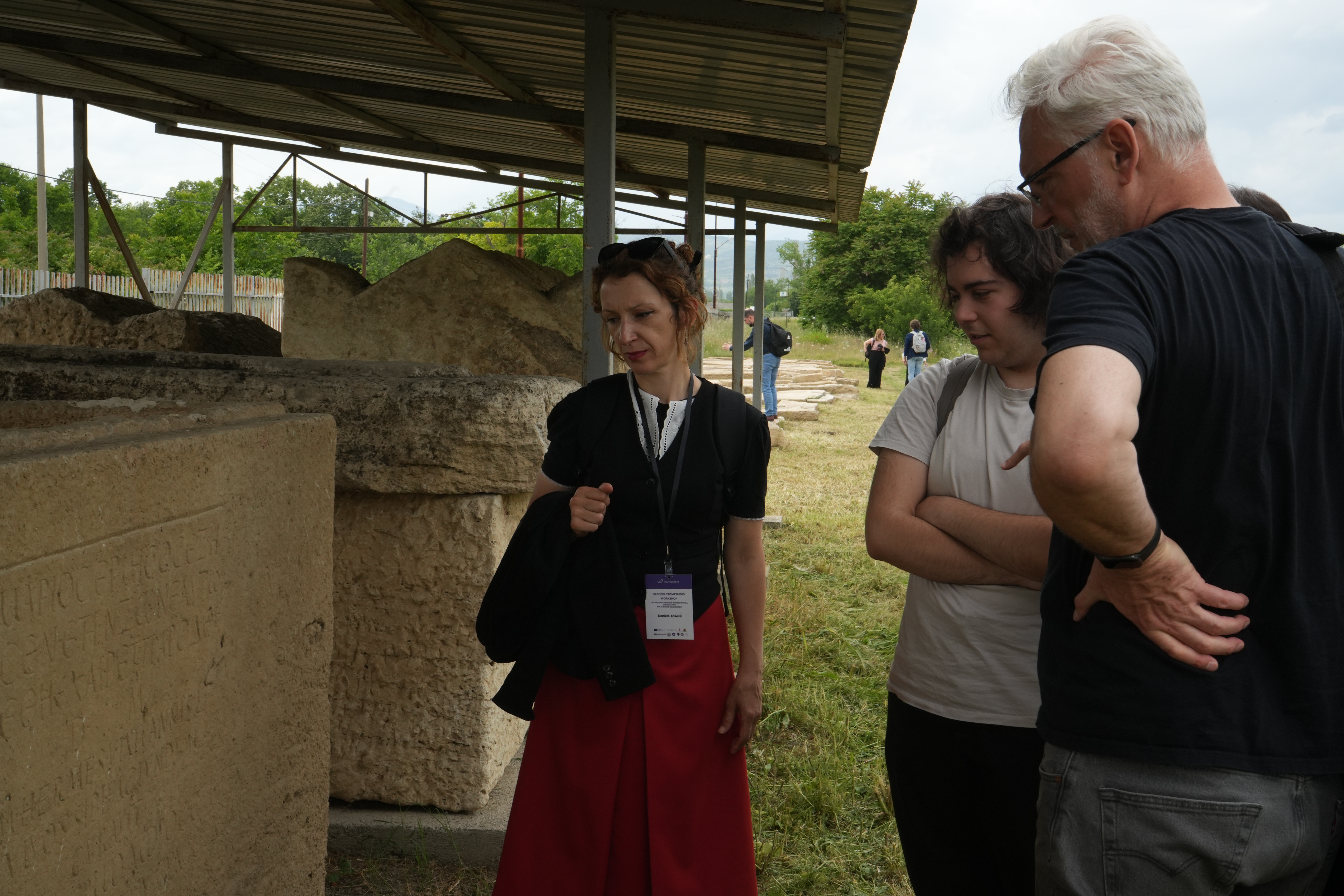
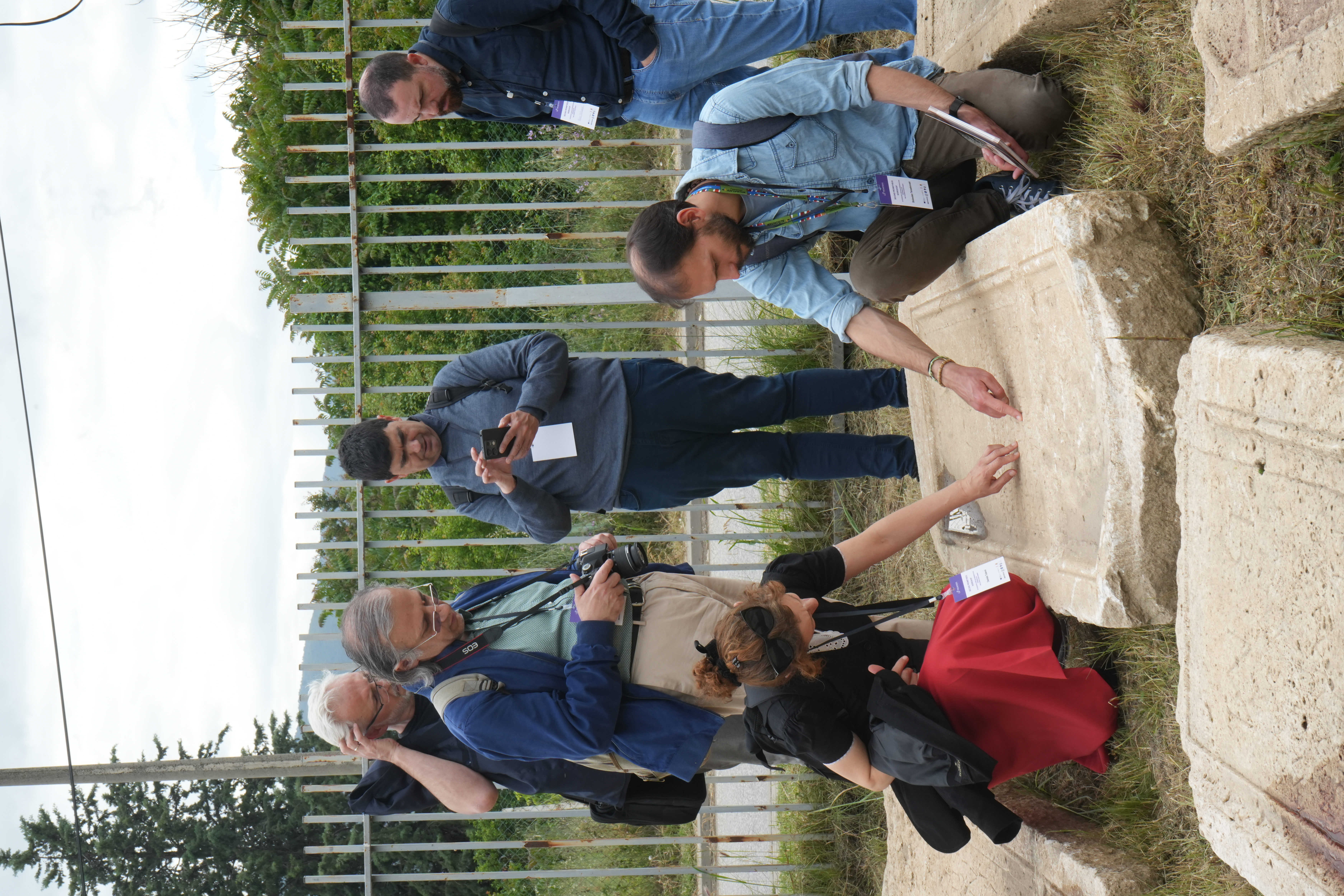
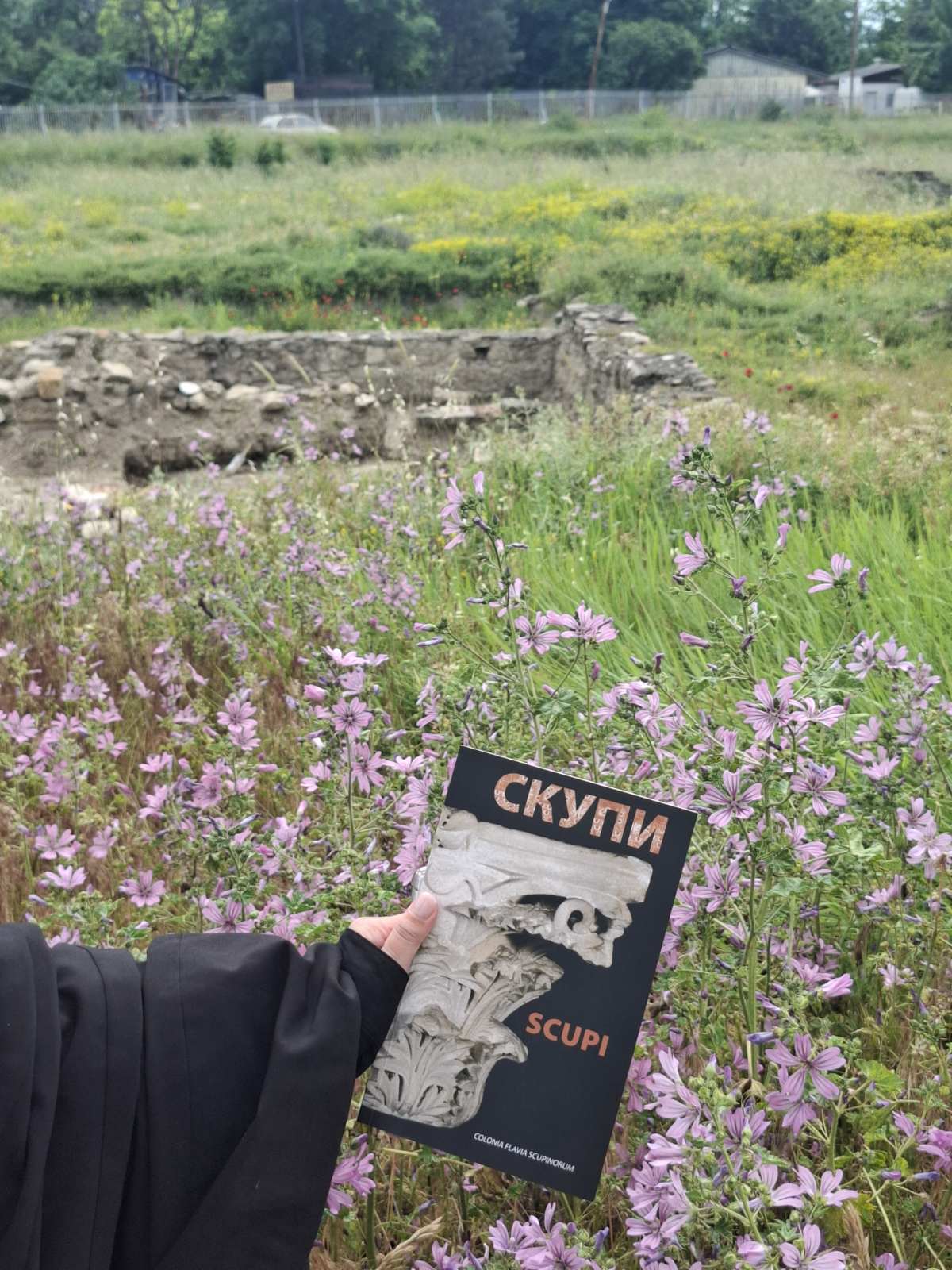
As a special closing experience, participants visited the ancient Roman city of Scupi, just outside modern-day Skopje. The focus was on newly discovered and unpublished inscriptions—many of them still undeciphered—offering a rare chance to see research in progress.
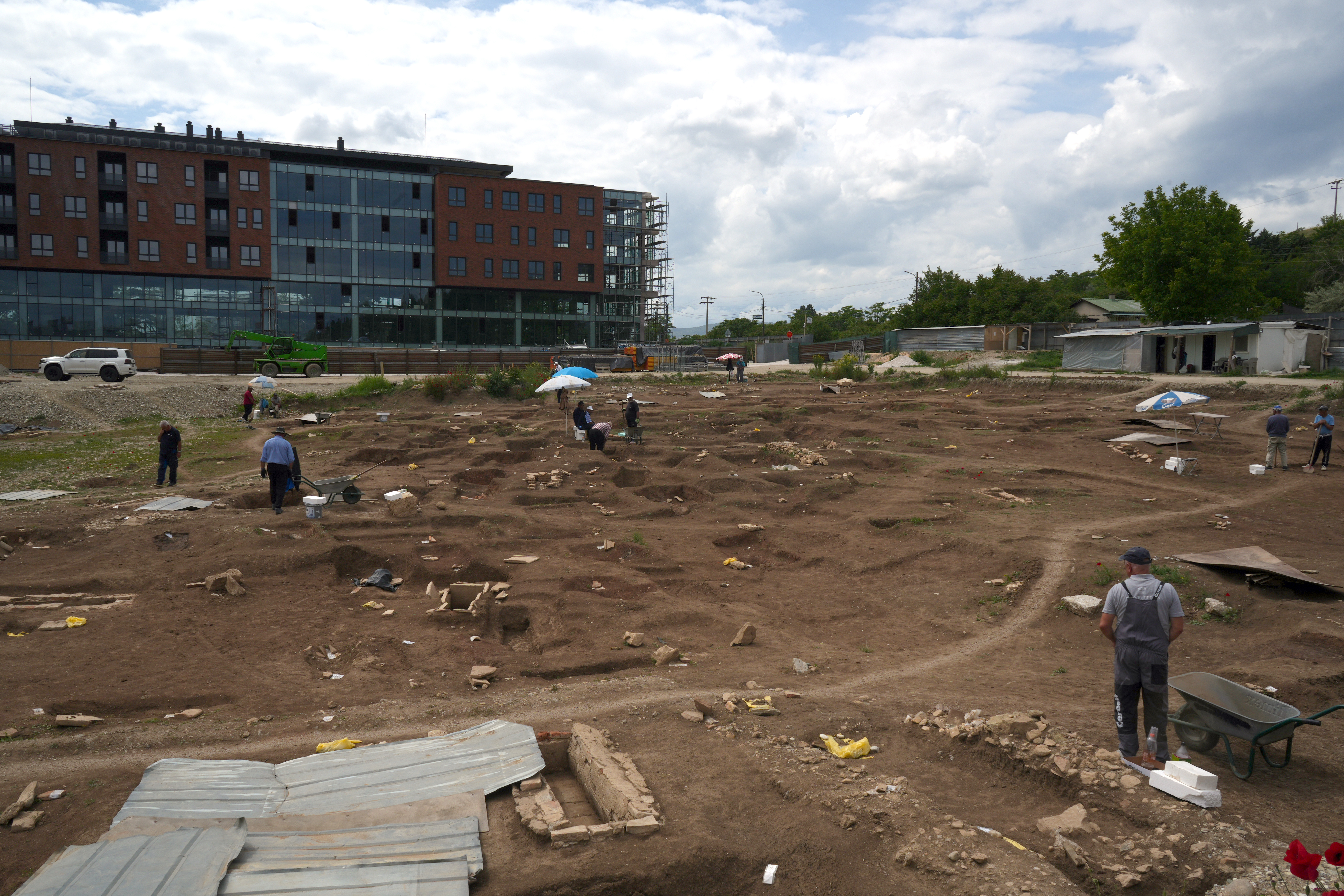
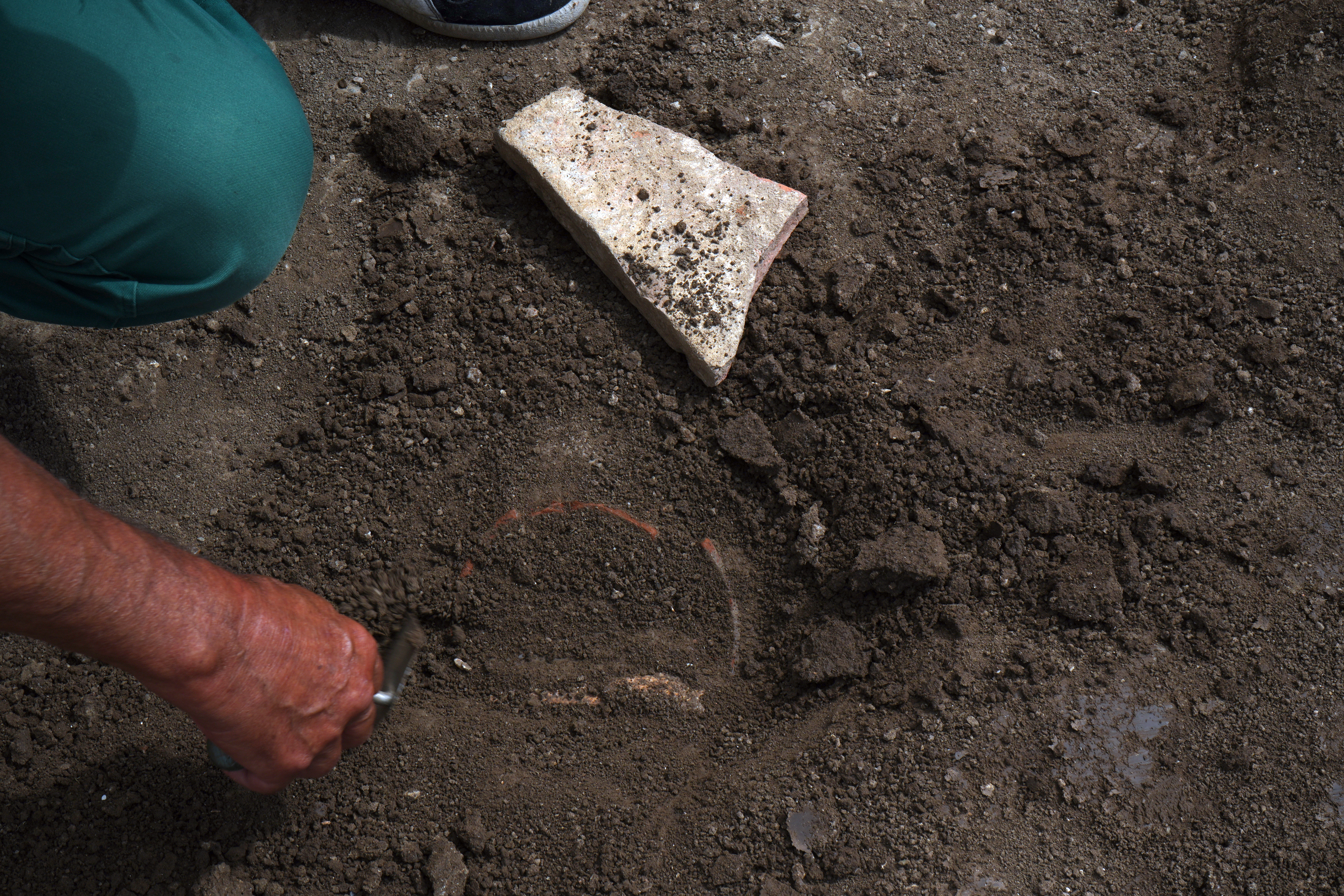
The tour extended to the southeastern necropolis of Scupi, currently under active excavation. As the largest burial site of the ancient city, it has already yielded thousands of graves and continues to deepen our understanding of Roman Skopje.
Being there, amidst the unearthed stones and the ongoing work of archaeologists, reminded everyone present that the field of epigraphy is not just about studying the past—it’s about participating in its uncovering, interpretation, and sharing.
Looking Ahead
The second PROMETHEUS workshop concluded with an overwhelming sense of inspiration, connection, and renewed commitment to collaboration. Over three days, participants engaged with inscriptions not only as scholarly objects, but as voices from the past still speaking to us through stone, paper, code, and conversation.
Stay tuned—this journey is far from over.