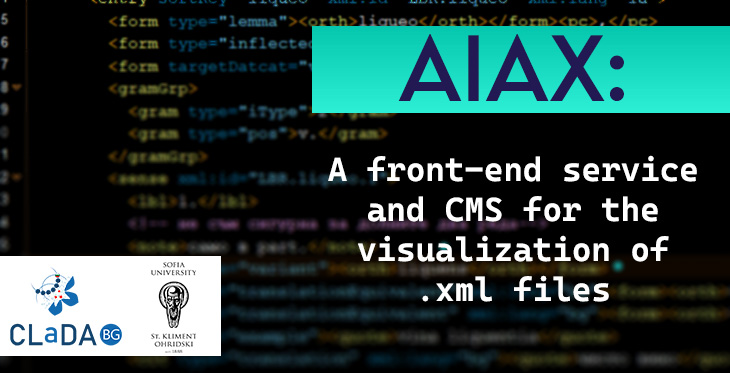
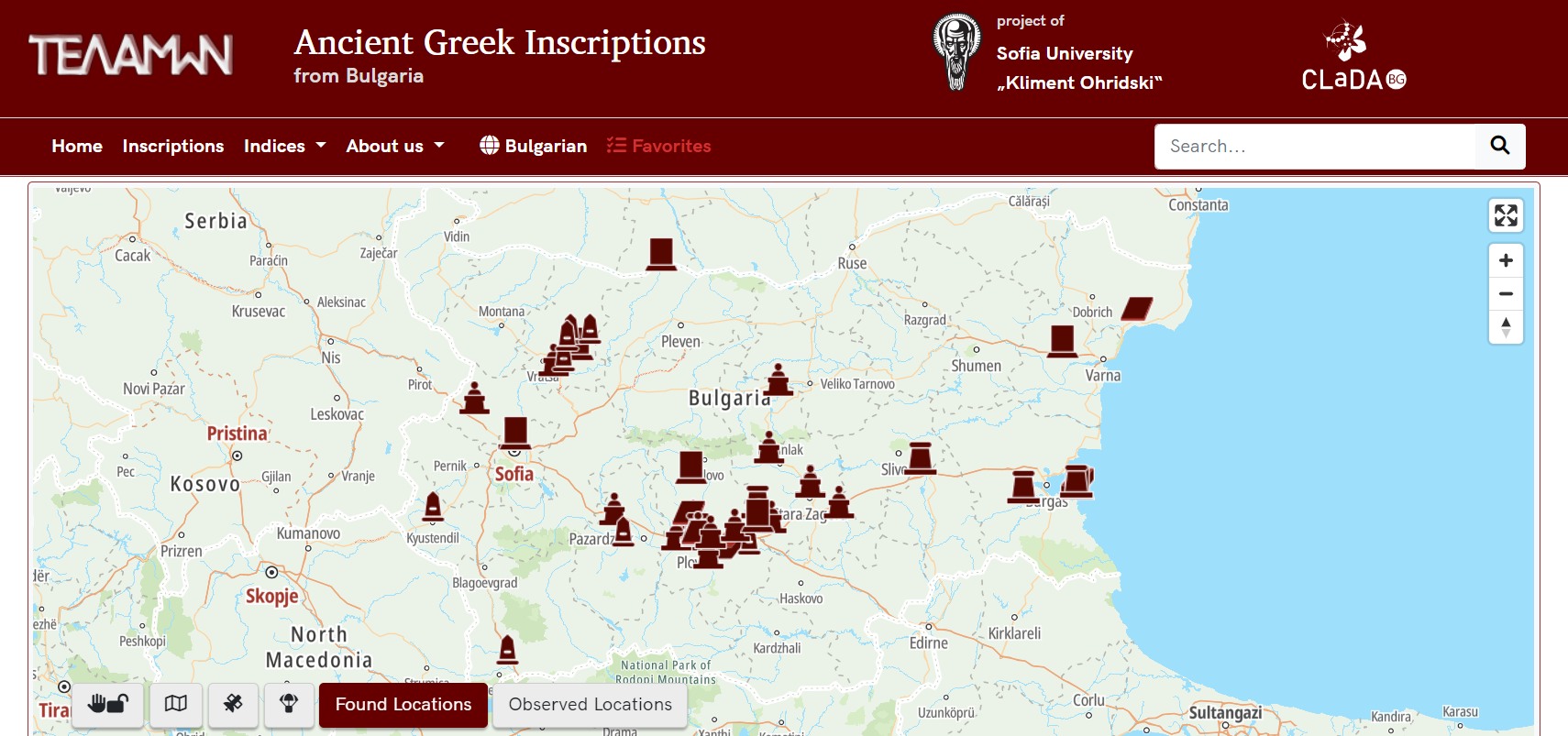
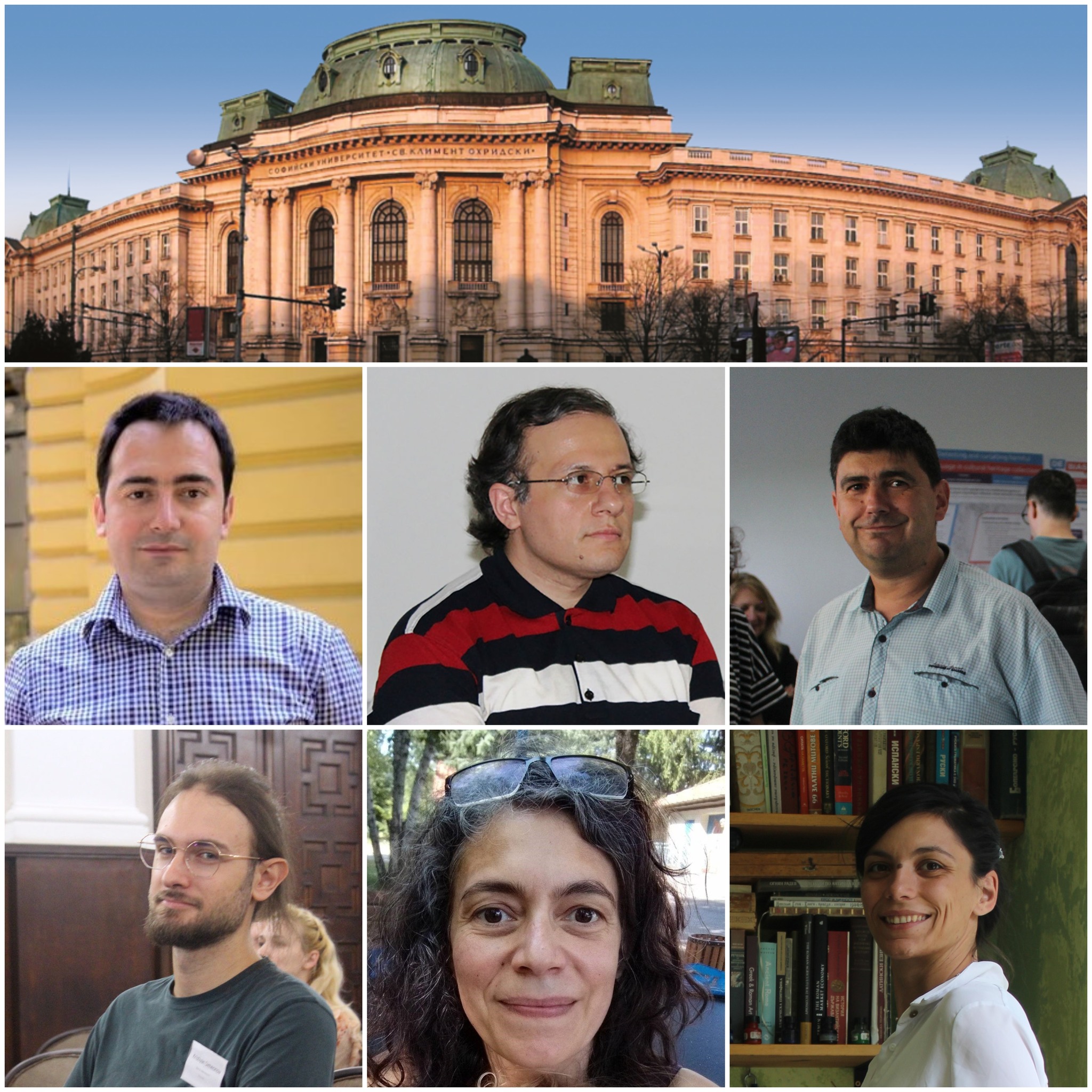
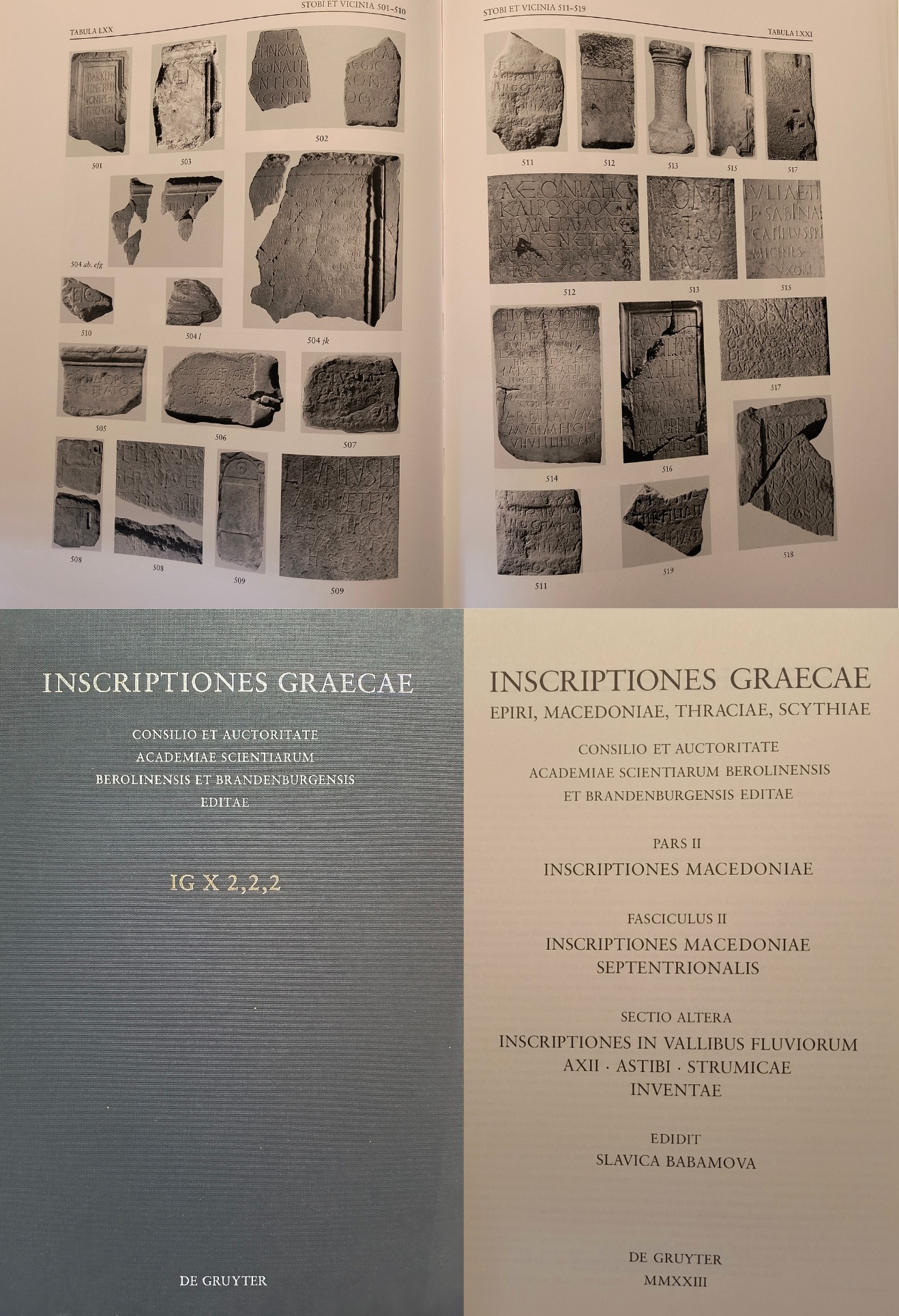
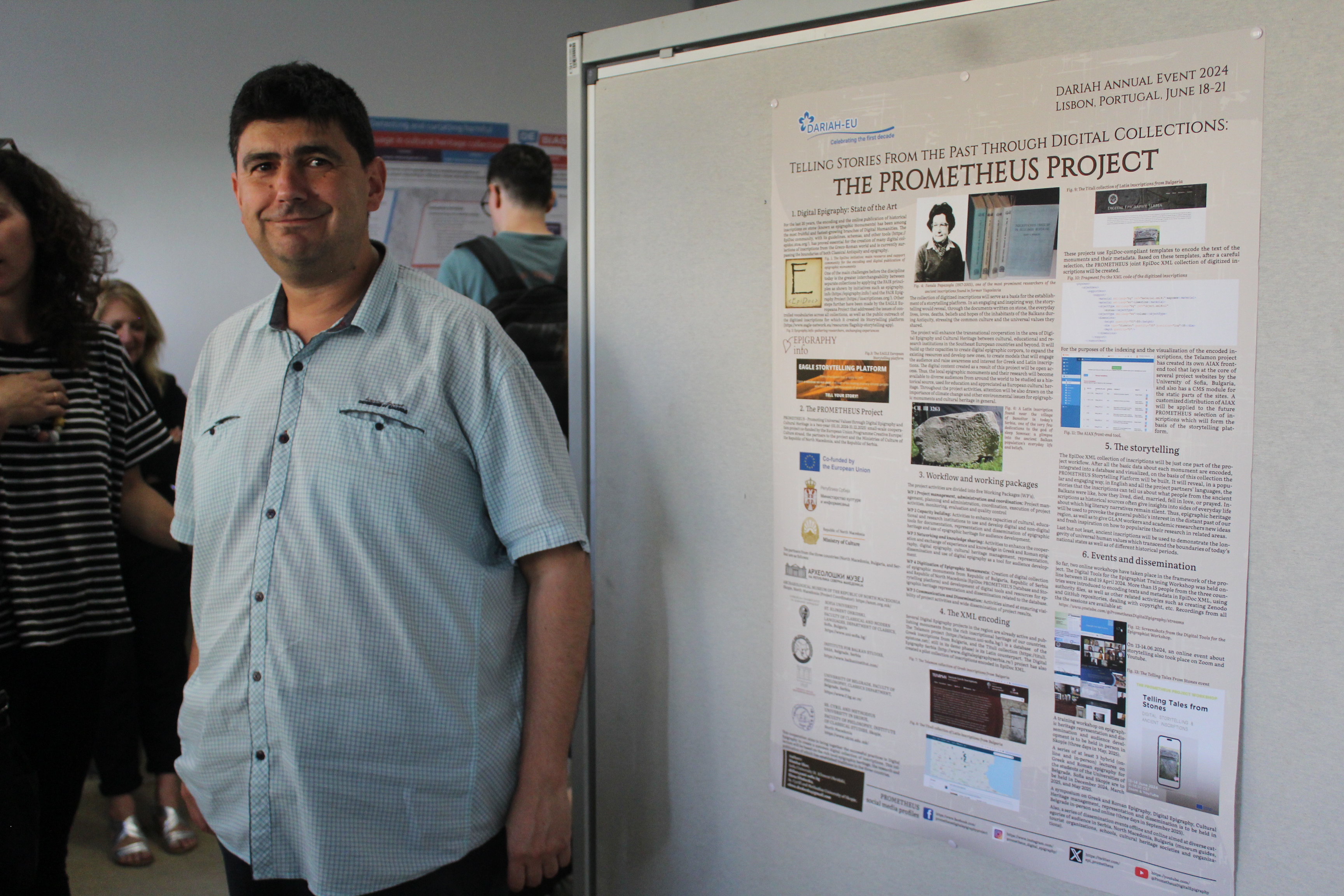
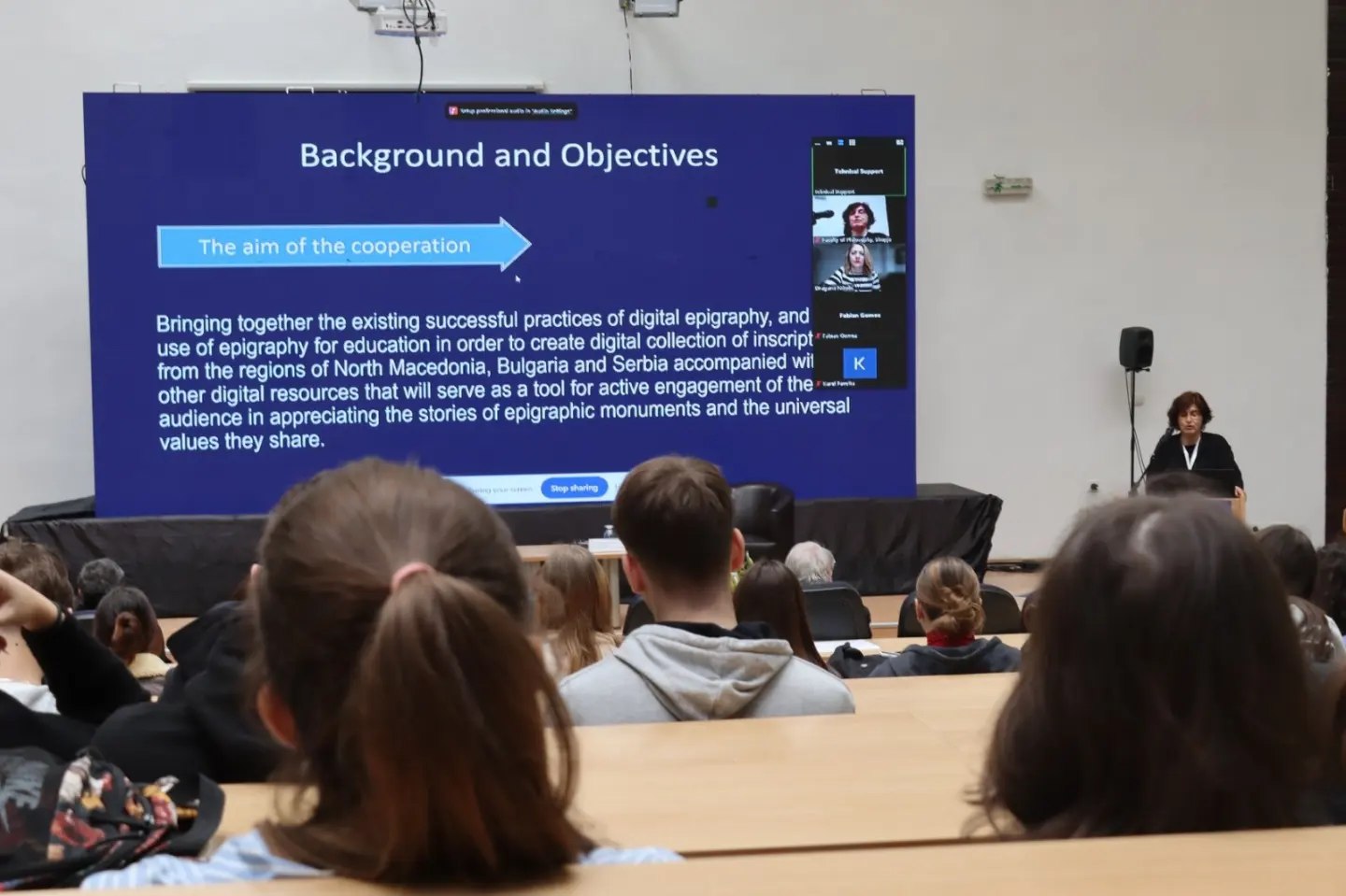
The AIAX XML front-end service and CMS developed by a team of researchers at the University of Sofia in the framework of the CLaDA-BG e-infrastructure is an essential tool in our work on the Prometheus Digital Epigraphy Project.
Join Us for another fascinating lecture!
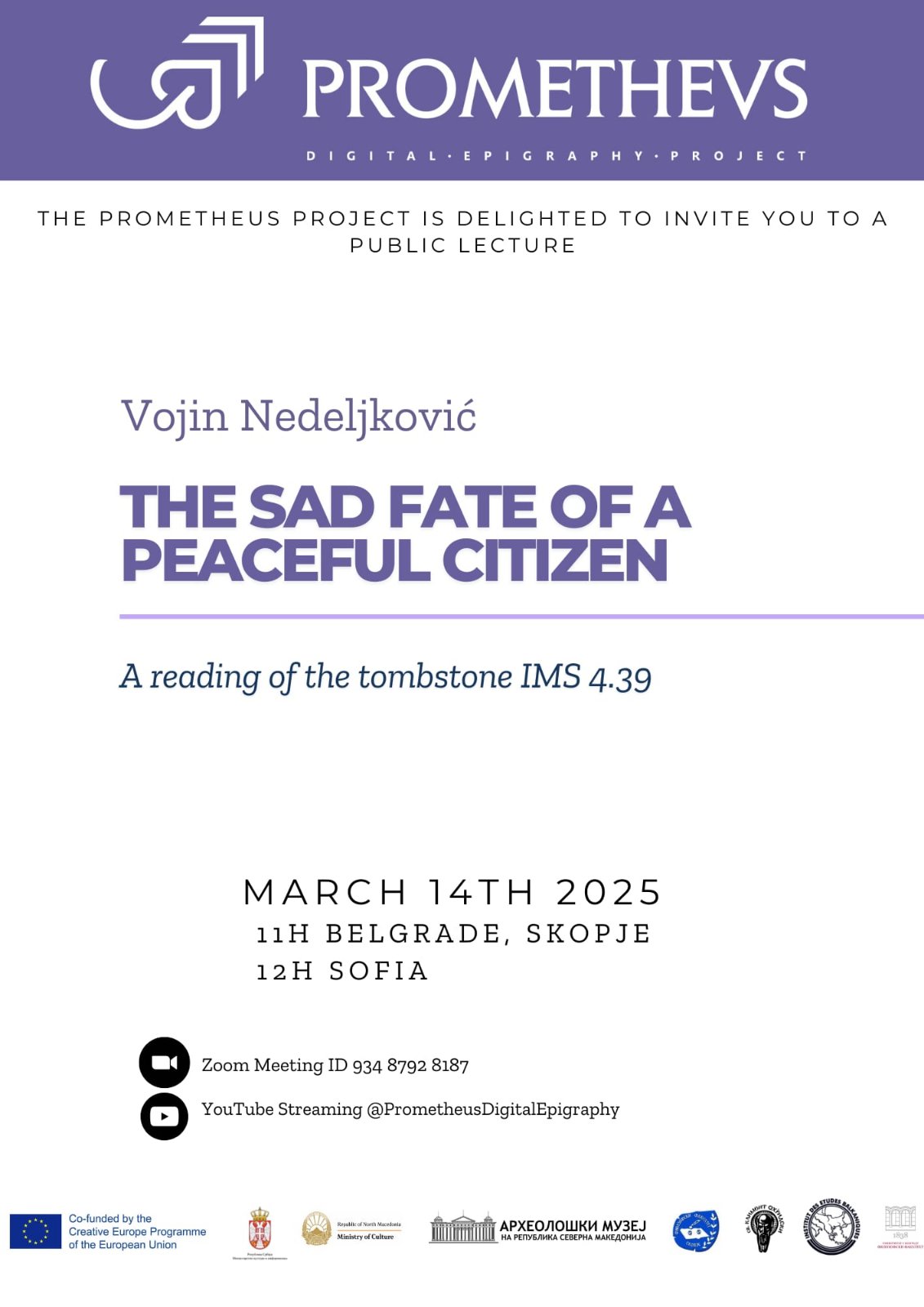
The PROMETHEUS Project is delighted to invite you to a public lecture:
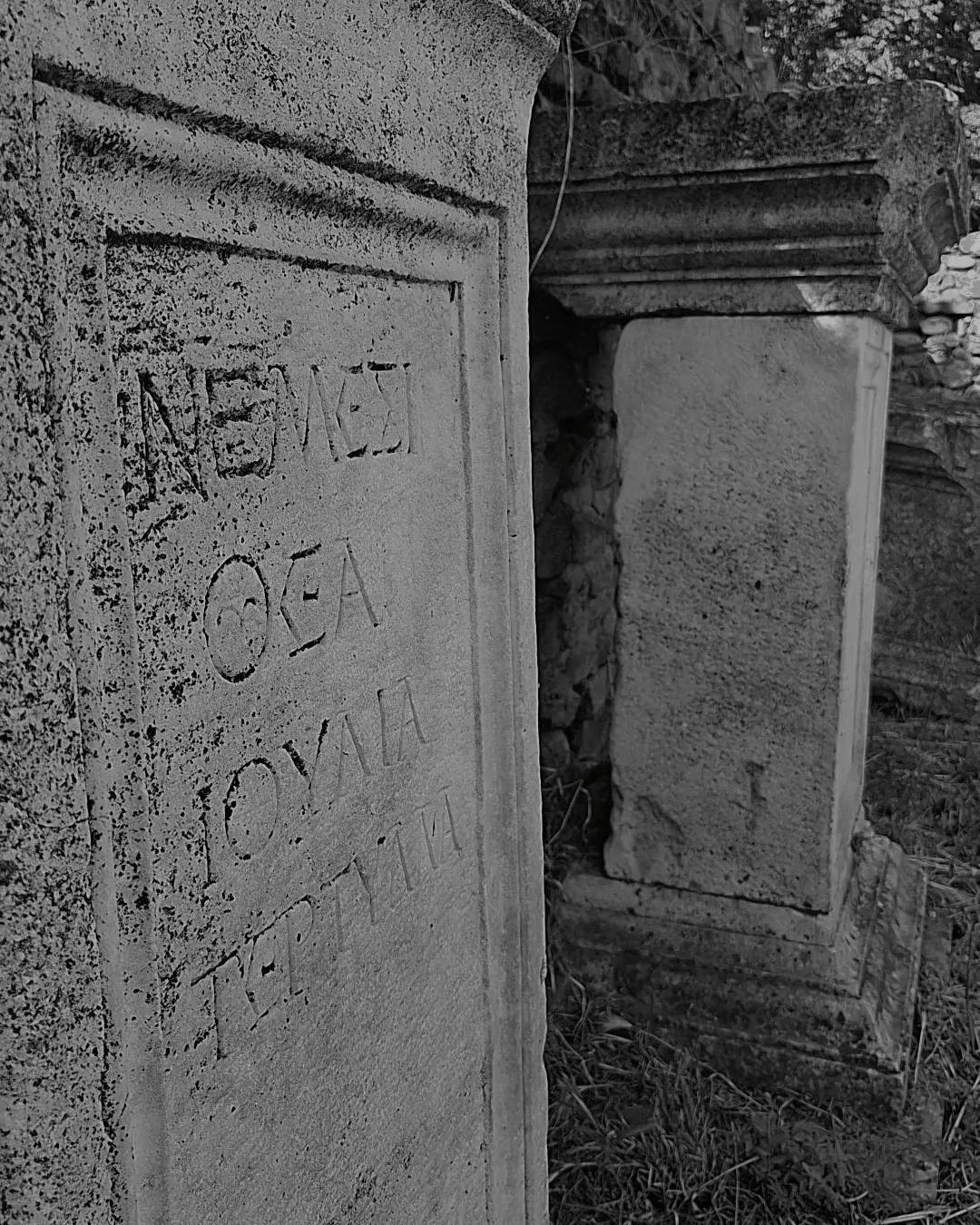
THE SAD FATE OF A PEACEFUL CITIZEN: A Reading of the Tombstone IMS 4.39
By prof. Vojin Nedeljković, Faculty of Philosophy, University of Belgrade
Prof. Nedeljković, a valued member of the PROMETHEUS Project team, will delve into a fragmented epitaph from the Roman city of Naissus, written in a unique blend of Latin prose and verse. Through this analysis, he will offer great insights into the Latin language, Roman epigraphy, and social history.
Date: March 14, 2025
11:00 (Belgrade, Skopje) | 12:00 (Sofia)
Follow the lecture via Zoom (Zoom Meeting ID 934 8792 8187) or livestream on our YouTube channel.
@PrometheusDigitalEpigraphy
All are welcome! ✍️
✨GREAT NEWS! ✨
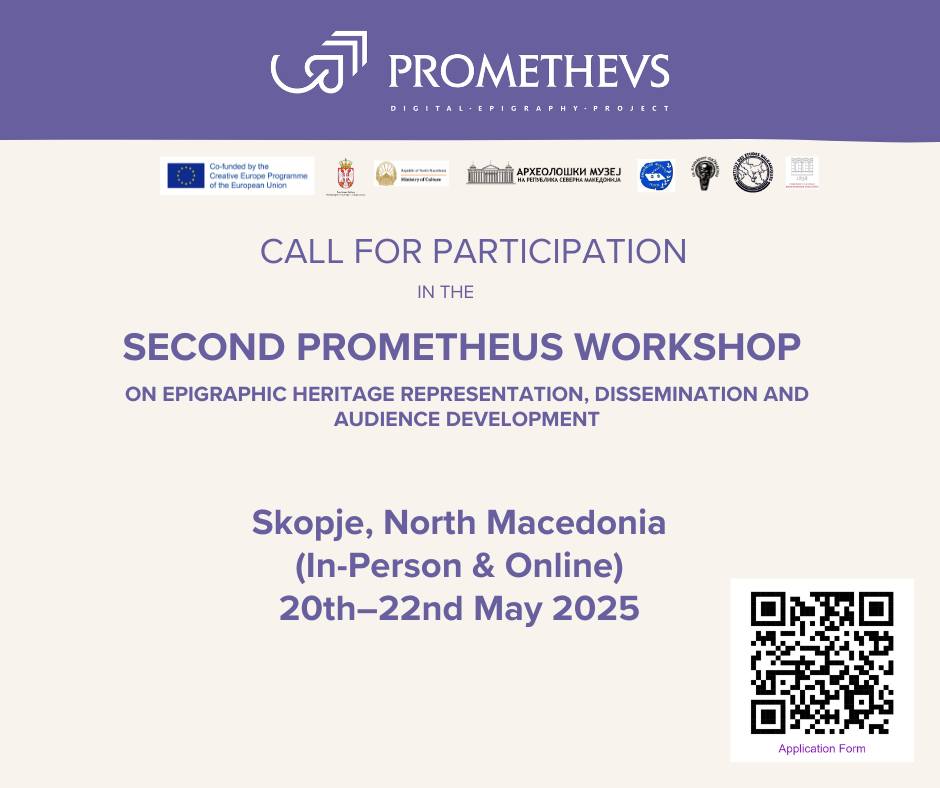
We have decided to EXTEND THE DEADLINE FOR APPLICATIONS for the Second PROMETHEUS Workshop!
You now have until March 5, 2025, to submit your application and be part of this exciting event in person or online.
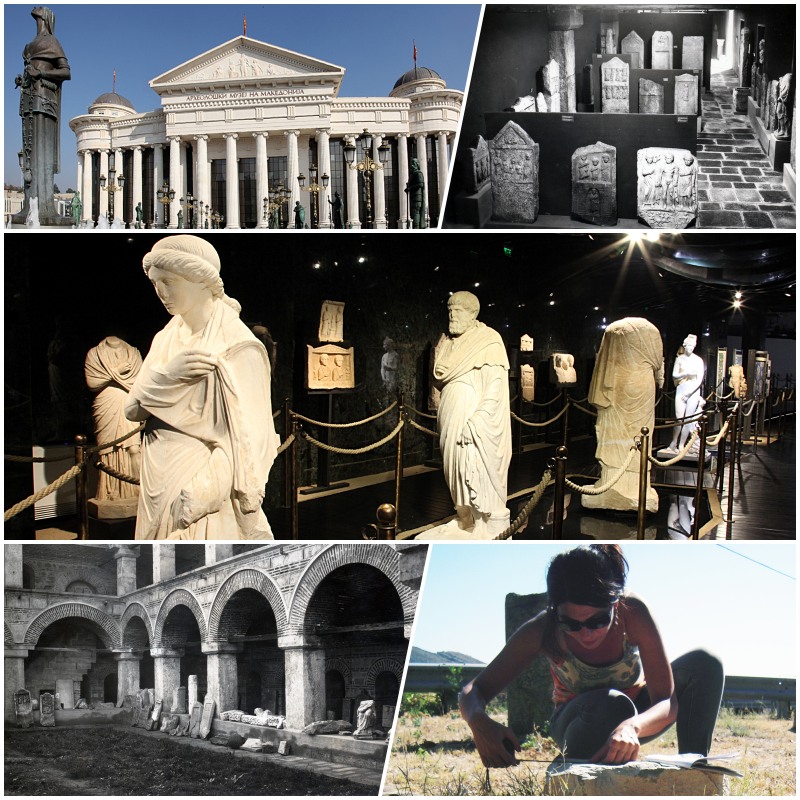
Don't miss the opportunity to explore Epigraphic heritage, representation, dissemination, and audience development alongside peers and experts in the field. The workshop will take place from May 20 to 22, 2025, in Skopje, North Macedonia, at the Lapidarium and the premises of the Archaeological Museum of the Republic of North Macedonia.
Whether you want to present your research or join as a listener, there’s still time to secure your spot!
✨Apply now: https://forms.gle/e7gszicQzns2DMsg8
If you have any questions, feel free to contact us at project.prometheus2024@gmail.com
We look forward to seeing you there!
The project PROMETHEUS is excited to announce its second workshop, focusing on Epigraphic Heritage Representation, Dissemination, and Audience Development.
Happy New Year from the Prometheus Digital Epigraphy Project! ![]()
As we step into 2025, we are excited about the road ahead. This year, we eagerly anticipate the full development of the Prometheus webpage and the chance to delve further into ancient inscriptions from Serbia, North Macedonia, and Bulgaria, sharing their captivating stories with the world.
To all our followers, we wish you a year filled with inspiration, curiosity, and accomplishments!
May 2025 bring exciting opportunities, meaningful connections, and countless moments of wonder as we continue exploring history together!
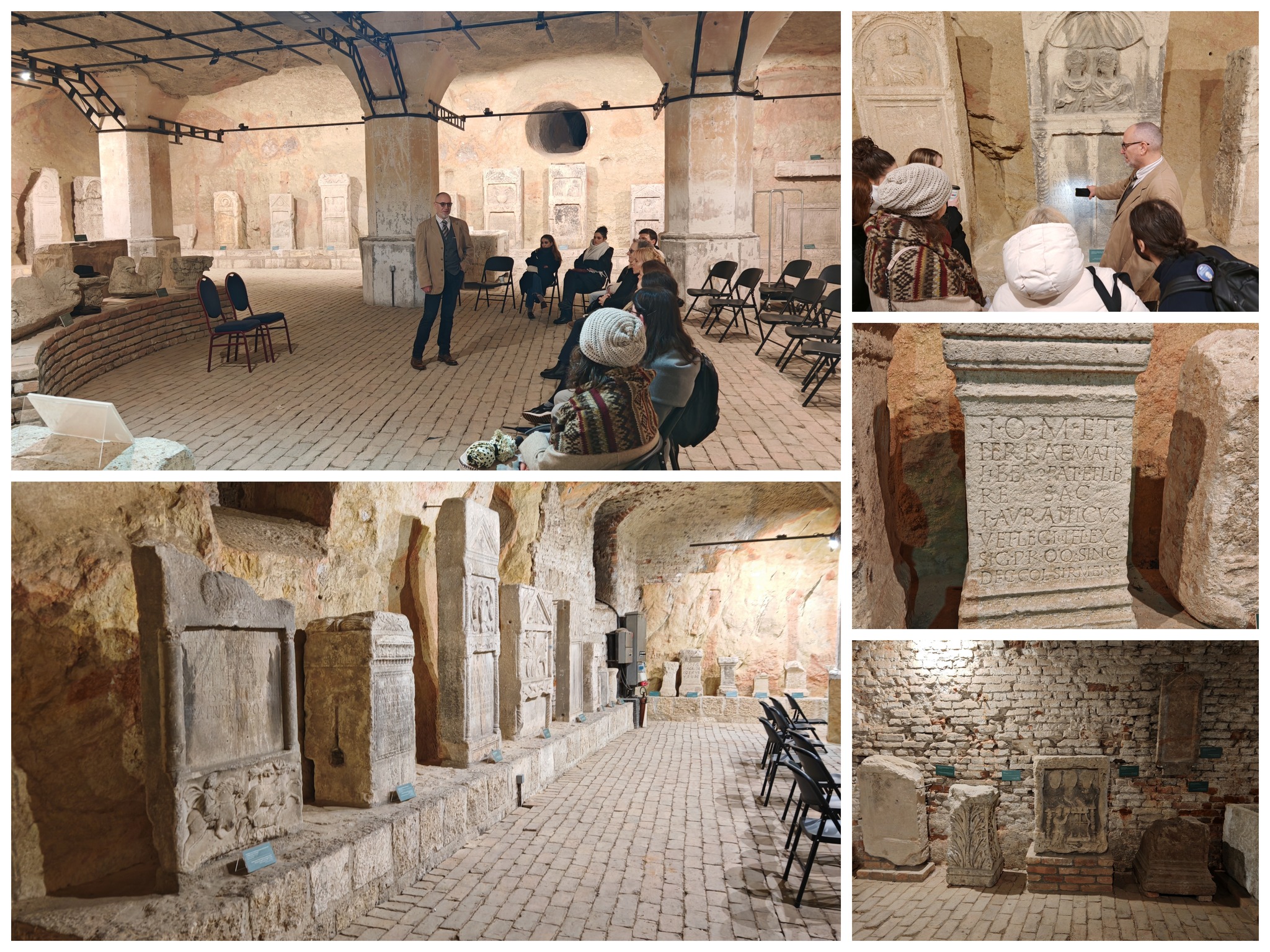
On Saturday, November 30th, undergraduate and master’s students of classical studies had the opportunity to delve into the epigraphic heritage of Serbia, during a visit to the lapidarium located in Belgrade’s Kalemegdan Fortress.
The recording of Dr. Nikolay Sharankov’s lecture, Epigraphic Practice in Ancient Thrace, is now available on our YouTube channel! The lecture took place on December 10, 2024, at Sofia University “St. Kliment Ohridski” and was held in a hybrid format, welcoming both in-person and online attendees. If you missed it, but would still like to explore Dr. Sharankov’s compelling journey through twelve centuries of inscription practices in ancient Thrace, you can now watch it at your convenience.
Exciting News!
We’re thrilled to kick off our hybrid lecture series on Greek and Roman epigraphy!
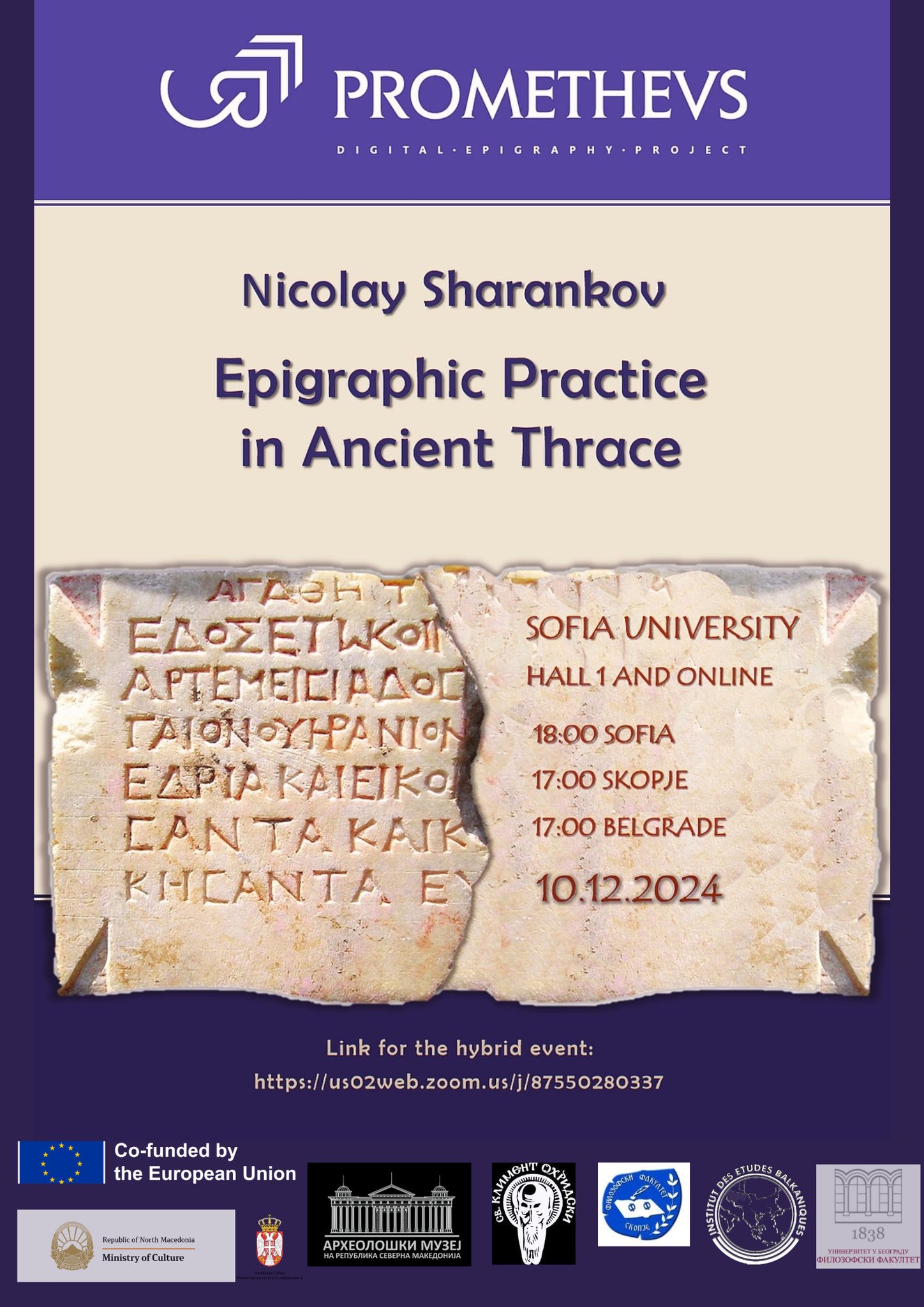
Join Dr. Nikolay Sharankov on December 10, 2024, online or in person at Sofia University, Bulgaria, where he will talk about epigraphic practices in ancient Thrace.
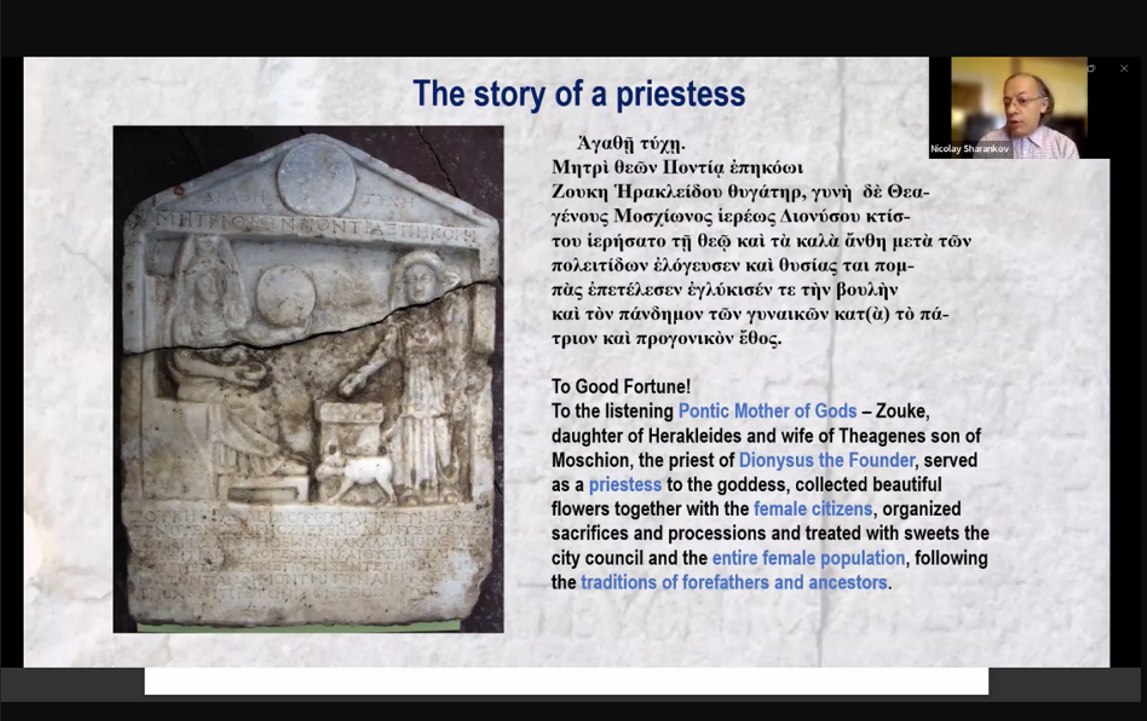
In this first lecture of the Prometheus Hybrid Epigraphy Series, Dr. Sharankov will guide us through twelve centuries of inscription habits in the region—from the 6th century BC to the 6th century AD. Discover how thousands of Greek and Latin inscriptions reveal the literacy, craftsmanship, and cultural ambitions of ancient Thracian society, including how stone-cutters framed and refined inscriptions and how authors used verse to showcase sophistication.
Today, we’re absolutely thrilled to finally share with you our brand new Prometheus Digital Epigraphy Project logo!
We owe a heartfelt thanks to the brilliant graphic designer behind it —Boyana Pavlova from Sofia, Bulgaria!
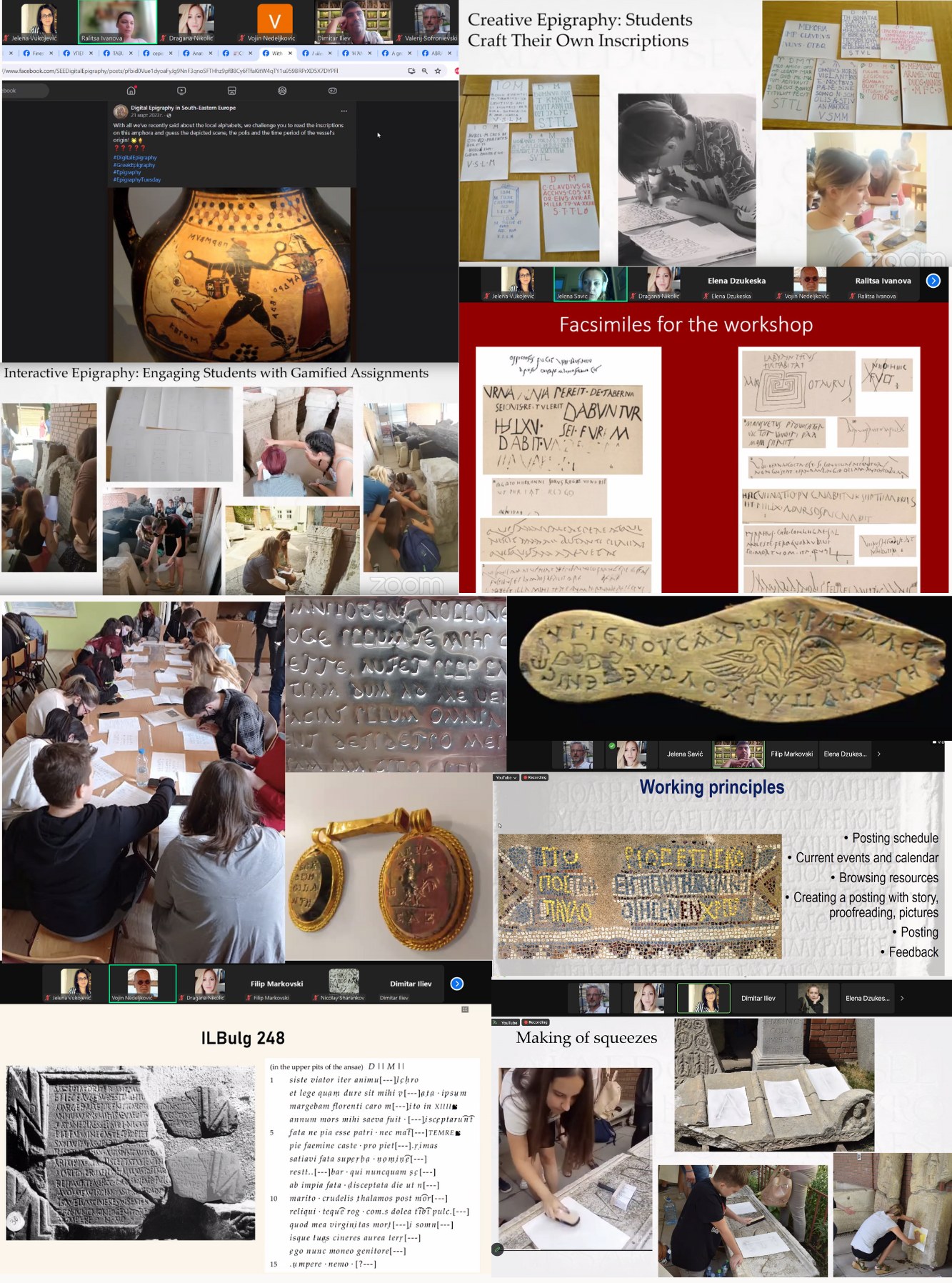
We're excited to announce the completion of our “Tutorial on Digital Epigraphy,” a comprehensive resource on current methods, practices, and tools in digital epigraphy. This tutorial is built on materials from our workshops on digital epigraphy, digital tools, storytelling, and heritage representations.
Through this tutorial, the Prometheus Project aims to equip researchers, students, and heritage professionals with essential skills to explore, document, and preserve epigraphic materials digitally.
At the Prometheus Project, we continue the valuable work initiated by our colleagues from the Department of Classics at St. Kliment Ohridski University of Sofia with the Telamon Project (https://telamon.uni-sofia.bg/en/) Telamon’s goal is to create a digital library of ancient Greek inscriptions from Bulgaria, revising and updating monumental editions like Georgi Mihailov’s Inscriptiones Graecae in Bulgaria repertae, while also incorporating new discoveries.
The Prometheus Project will build its web platform for storing and displaying inscriptions based on Telamon's solid foundation.
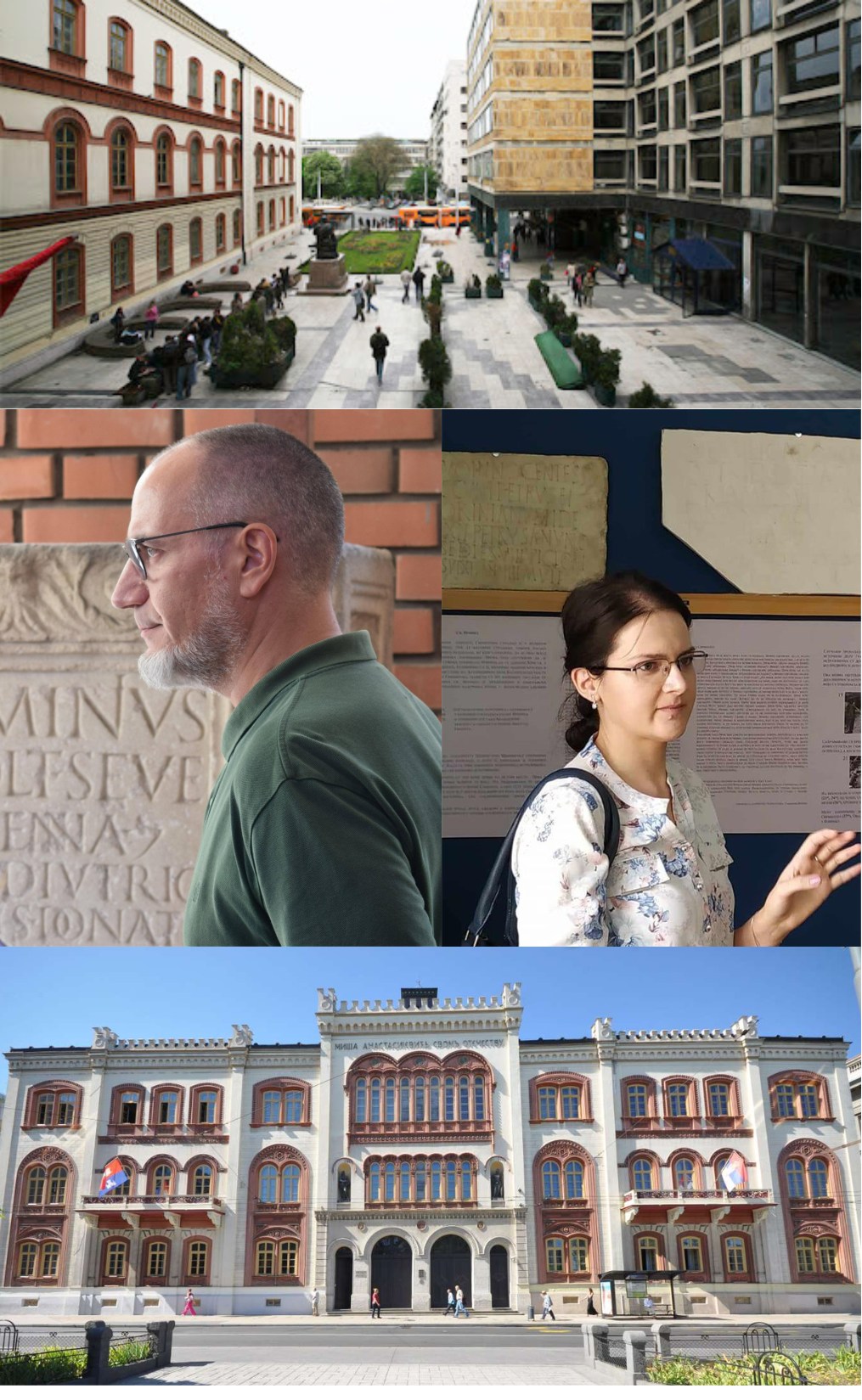
The Faculty of Philosophy, University of Belgrade, (https://www.f.bg.ac.rs/en2), founded in 1838, is Serbia's oldest and most prominent institution of higher education, and one of the oldest in Southeastern Europe. With 255 teaching staff and around 6,000 students, the Faculty offers over 800 courses across ten departments. Equipped with modern facilities, ten departmental libraries, and over 40 scientific centers and institutes, the Faculty is at the forefront of academic excellence. It actively participates in numerous national and international projects, including EU-funded programs like Erasmus, Horizon, and ERC.
The activities of the Prometheus Project are carried out by the Department of Classical Studies at the Faculty of Philosophy, University of Belgrade (https://www.klasicnenauke.rs/), the only higher education institution in Serbia where classical philologists are trained. It serves as the central hub and highest authority in Serbia for research in classical antiquity, encompassing Greek and Latin linguistics, Greek and Roman literature, Byzantine and late Latin literature, and the cultural history of antiquity.
The Department houses two significant research units: the Institute for Antiquity and Classical Heritage, which publishes the journal Lucida intervalla (https://www.klasicnenauke.rs/lucida-intervalla/), and other works such as scientific monographs and textbooks, and the Center for Biblical Philology and Hermeneutics. The Department will proudly celebrate 150 years of existence in 2025.
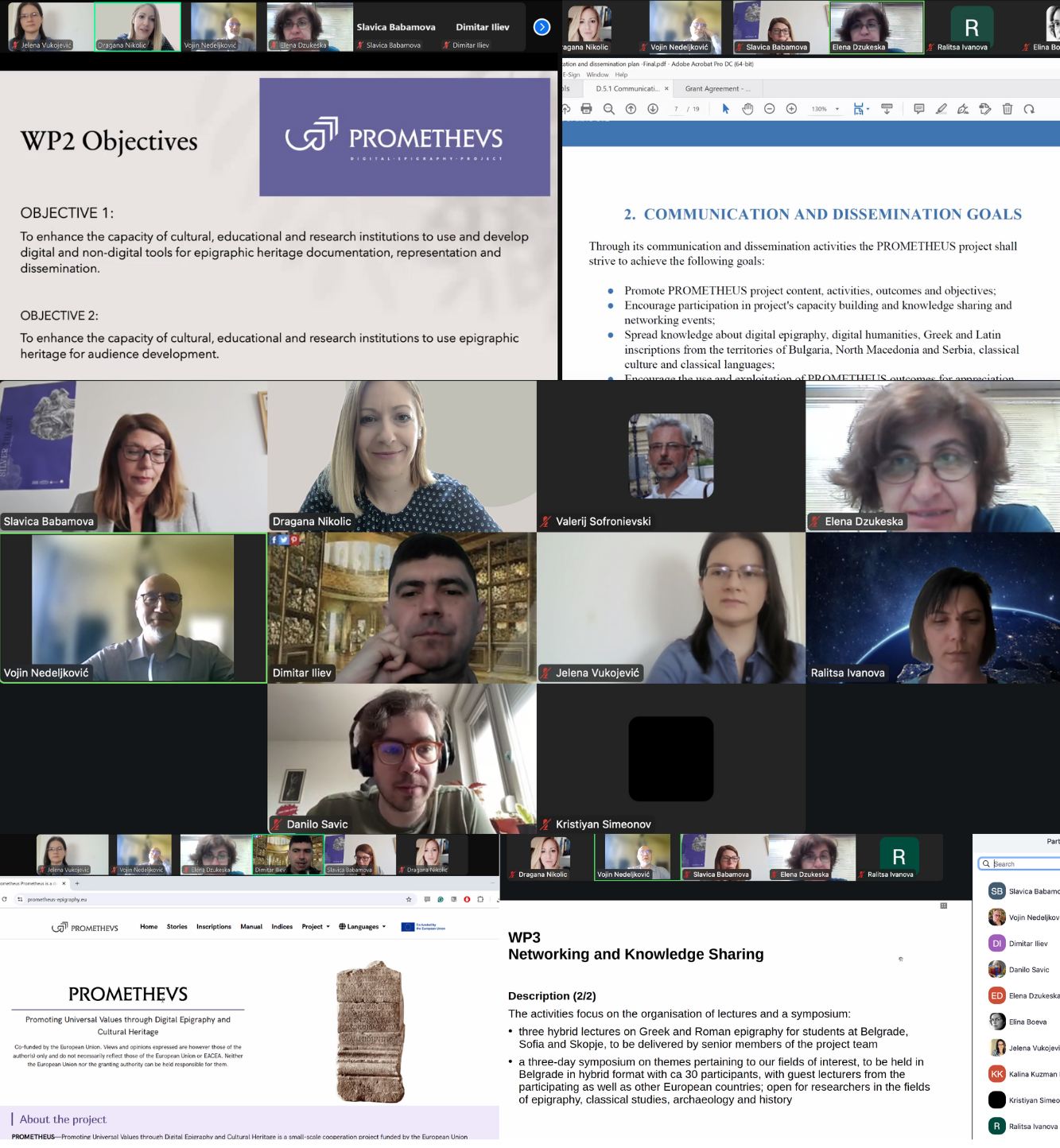
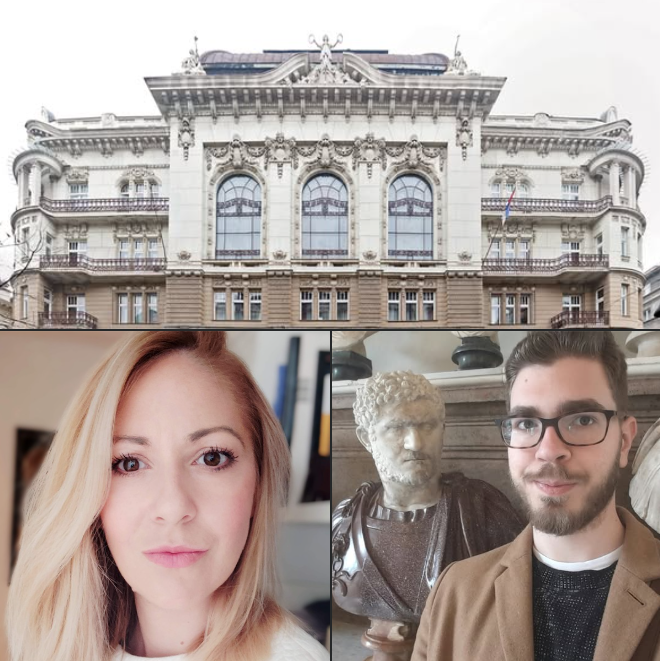
The Institute for Balkan Studies of the Serbian Academy of Sciences and Arts is a unique research institution in Serbia, distinguished by its focus on the long-term processes shaping the Balkans, from prehistory to the modern era (https://www.balkaninstitut.com/eng/). It employs a multidisciplinary approach, drawing from history, art history, archaeology, ethnology, anthropology, literary history, and linguistics. The Institute’s research is organised into five thematic axes and is involved in a variety of national and international research projects.
The Institute established at the initiative of King Alexander I of Yugoslavia in 1934. This year the Institute celebrates its 90th anniversary!
It also has an active publishing programme, including the Special Editions Series and the multidisciplinary journal Balcanica (https://balcanica.rs/index.php/journal).
Two members from the Institute are active in the PROMETHEUS project.
Curious how ancient curses, volcanic eruptions, and artificial intelligence all connect to the study of old inscriptions? Dive into the world of epigraphy and digital epigraphy through five fascinating facts that bring the past—and its words—back to life.
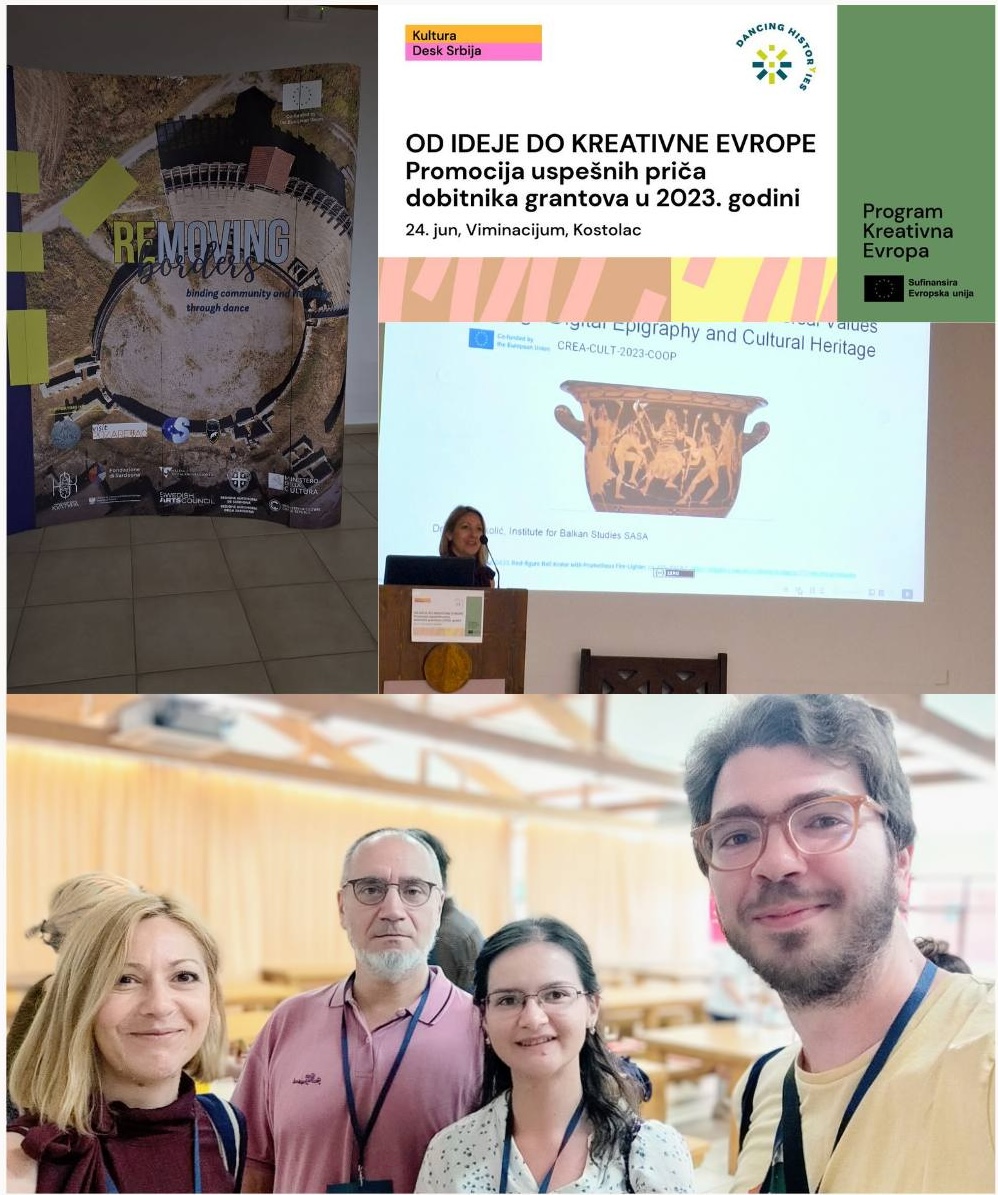
Dragana Nikolić, a member of our team from the Institute for Balkan Studies SASA, promote the Prometheus project at the showcase event From an Idea to Creative Europe organised on 24th June by the Culture Desk of Creative Europe Serbia (Desk Kreativna Evropa Srbija) and the Institute of Archaeology at the Viminacium Archaeological Park. The event was...
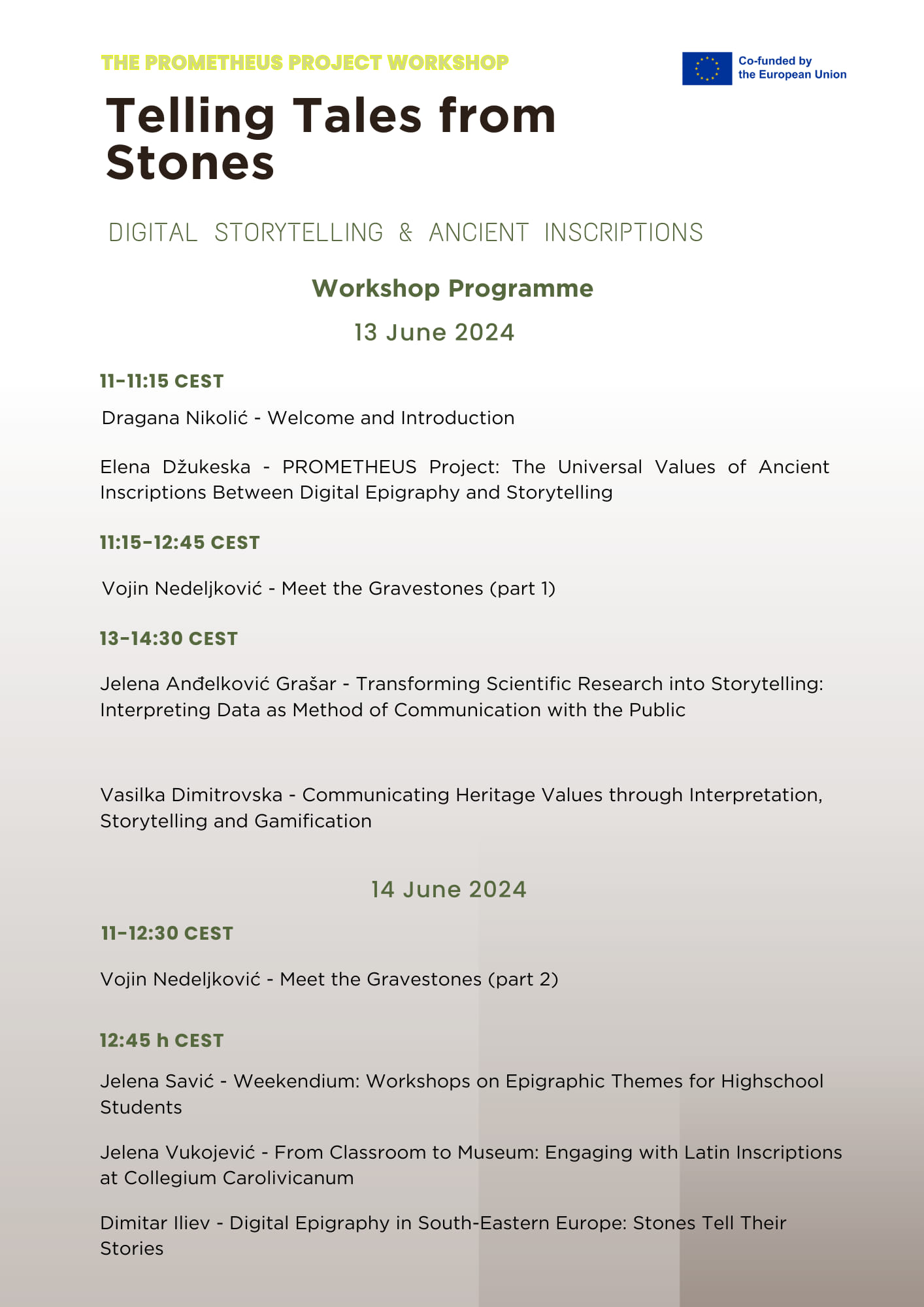
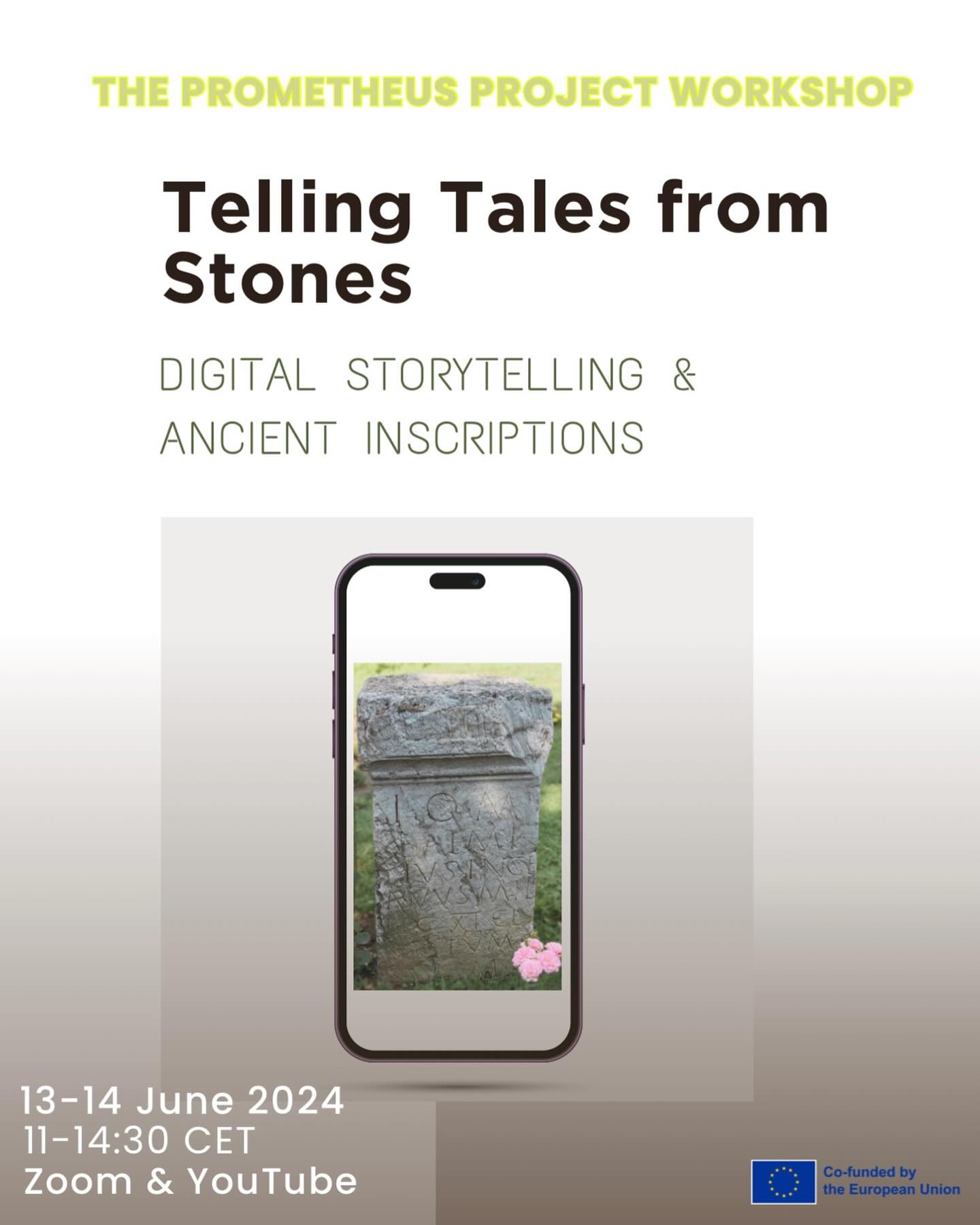
We are pleased to share with you the programme and the summary of our upcoming workshop!
Dates: 13 and 14 June
Time: 11
Where: Zoom & YouTube
Registration: https://forms.gle/qnur2D9c5RsivSDNA
We're thrilled to introduce you to the prestigious partnering institutions in our project, starting with our project coordinator!
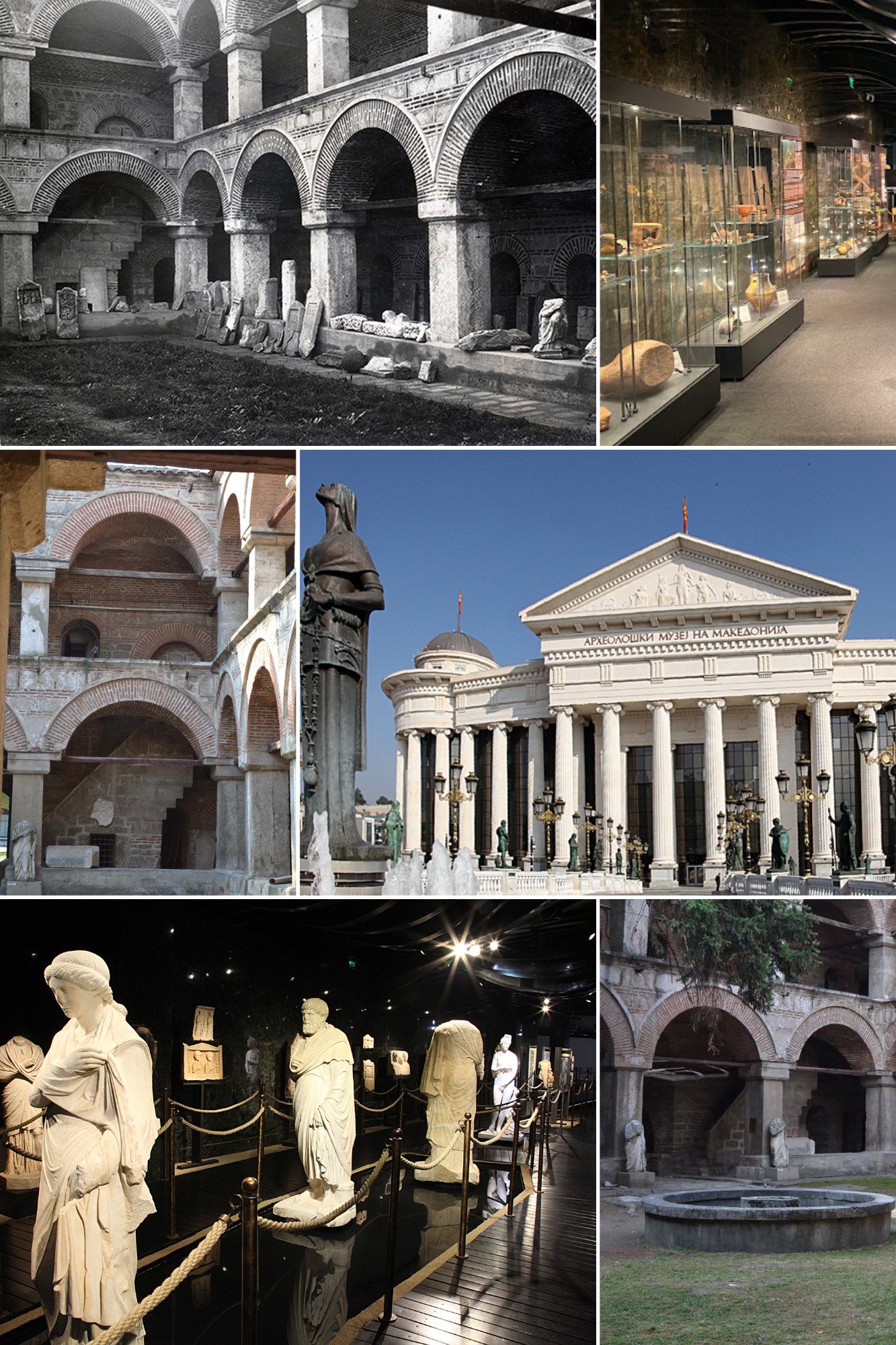
The Archaeological Museum of the Republic of North Macedonia in Skopje, established in 1924, is the first keeper of archaeological artifacts in Macedonia. Collections of coins, and stone monuments from the Roman period were firstly transferred in Kurshumli an, being to this day among largest collections of this kind in the Balkans. Over the past century, the Museum has developed twenty typologically diverse collections covering all pre- and historical periods, spanning from the Paleolithic era (with artifacts dating back to 155,000 BC) to the archaeology of the 19th and 20th centuries.
Stay in the loop with our project’s latest activities by scanning the QR code to connect with PROMETHEUS on our social media platforms![]()
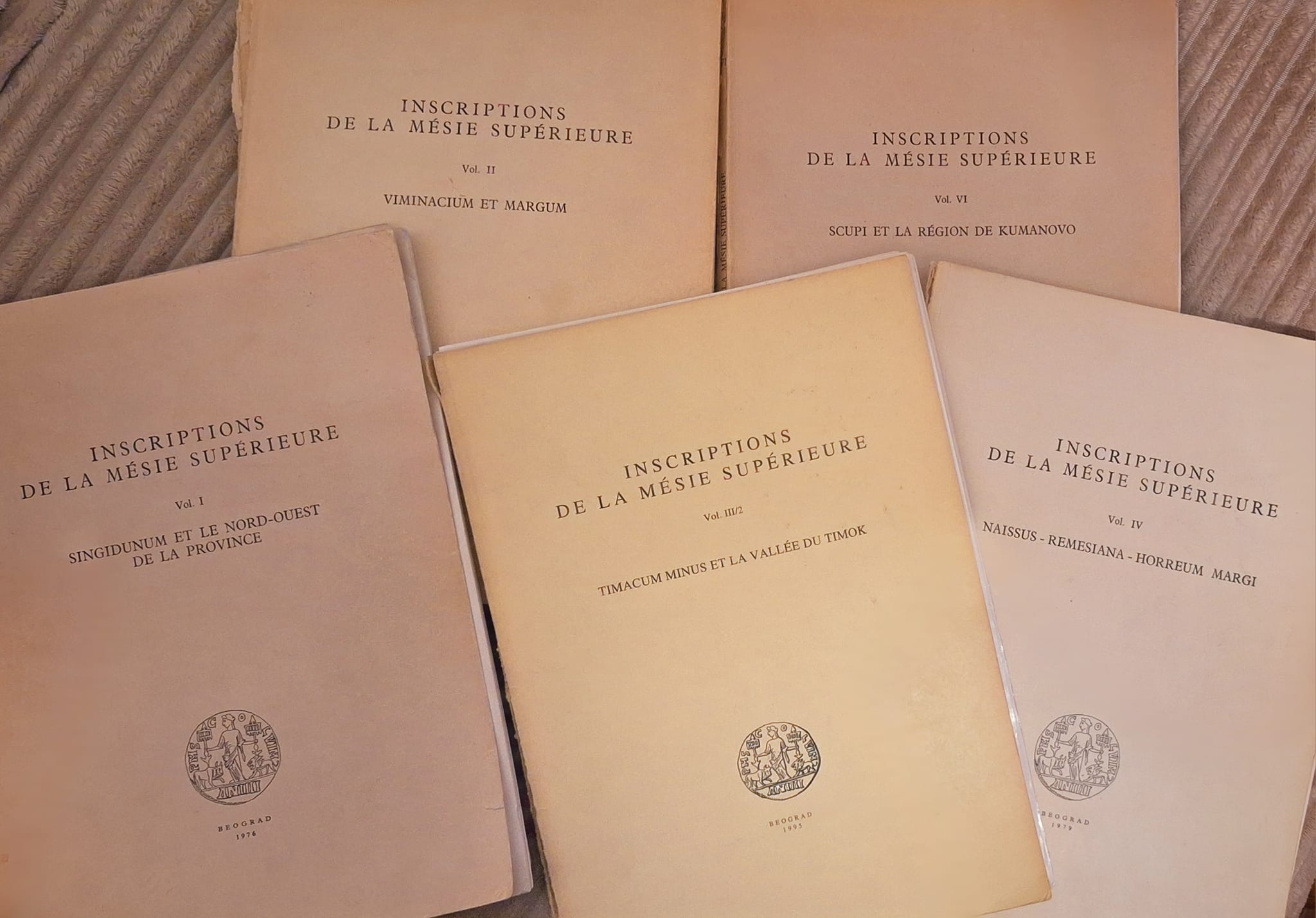
This remarkable series, initiated by Prof. Dr. Fanula Papazoglu and published by the Centre for Ancient Epigraphy and Numismatics at the Faculty of Philosophy in Belgrade, is dedicated to collecting and publishing epigraphic inscriptions from the Roman province of Upper Moesia...
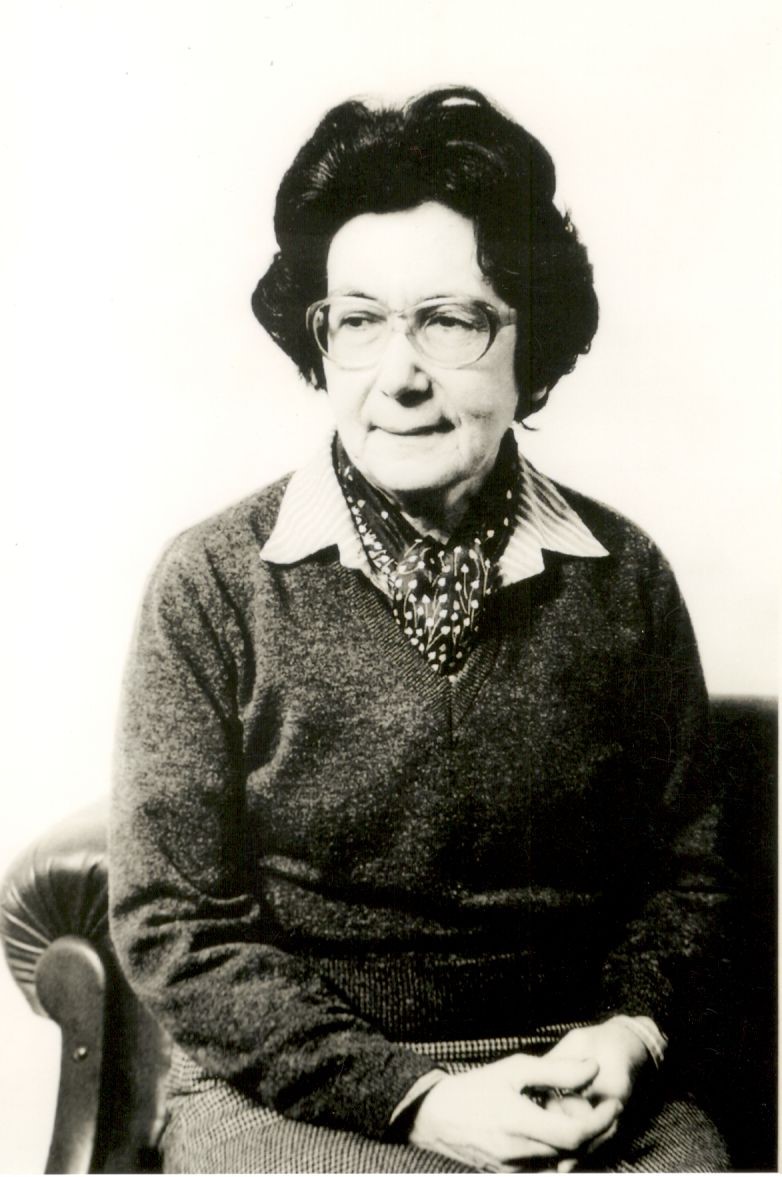
Let's take a moment to discuss one of the most renowned classical scholars and epigraphists from the Balkans: Fanula Papazoglu (1917-2001) ![]()
.
Born in 1917 in Bitola (modern North Macedonia), Fanula studied classical philology, history, and archaeology at the University of Belgrade . During WWII occupation of Belgrade, her studies were interrupted when she was imprisoned for supporting the Yugoslav Partisans...